
 Save
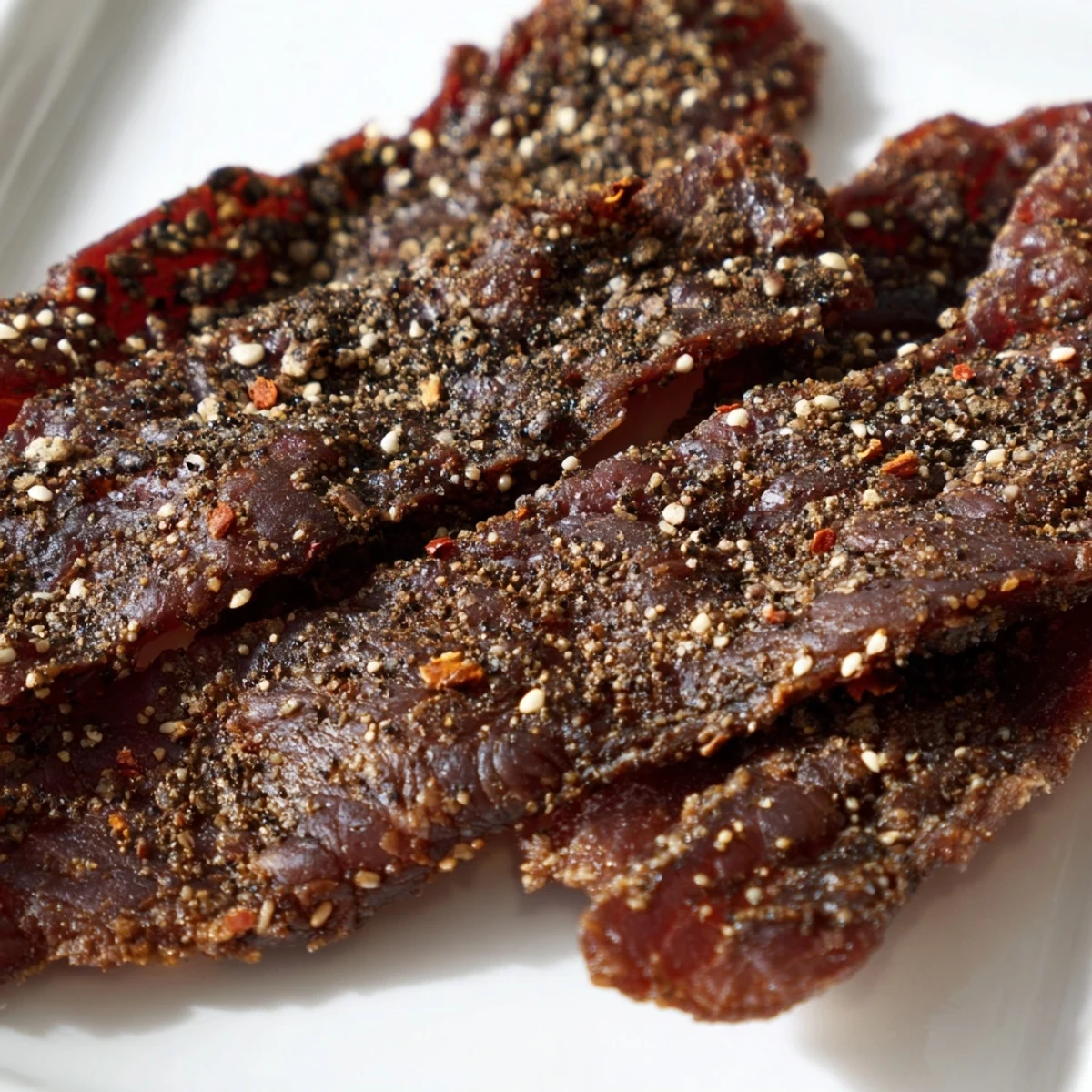
Save This method uses lean beef thinly sliced and marinated in a pepper-forward mixture including soy sauce, Worcestershire, and spices. After soaking for several hours, the strips are dried at low heat until tender and slightly pliable. The result is a savory, protein-dense snack ideal for energizing on the go or enhancing a cheese board. Adjust heat with red pepper flakes and store in airtight conditions for best freshness.
There's something magical about making beef jerky at home—the first time I did it, I was skeptical that such a simple combination of soy sauce and pepper could transform cheap cuts of beef into something so addictive. My kitchen smelled like a smoky barbecue for hours afterward, and by the time those strips finished drying, I'd already eaten three pieces straight off the rack, barely letting them cool. It became my go-to weekend project, the kind of thing you make once and then can't stop making.
I made this for a hiking trip with friends who were skeptical about my homemade version, and by mile three they were asking me to bring it on every adventure. That's when I knew I'd nailed it—not because it was fancy, but because it actually tasted like something real, not a plastic-wrapped approximation of beef.
Ingredients
- Lean beef (top round, flank, or sirloin): Use 900 g trimmed of all visible fat, since fat goes rancid and ruins the shelf life; top round is forgiving and flavorful.
- Soy sauce: The backbone of the marinade at 120 ml—grab the gluten-free version if that matters to you.
- Worcestershire sauce: This 60 ml addition brings umami depth that makes people pause mid-chew and wonder what you did differently.
- Coarsely ground black pepper: Use 2 tbsp and don't skip the grinding step; pre-ground tastes flat by comparison.
- Brown sugar: Just 2 tbsp balances the salt and helps create that slight surface glaze.
- Smoked paprika: A single teaspoon gives you that campfire flavor without actually needing a campfire.
- Onion and garlic powder: Each 1 tsp rounds out the savory notes—fresh versions don't work here because they burn.
- Red pepper flakes: Optional at ½ tsp, but I keep increasing it because the heat sneaks up on you in the best way.
Instructions
- Chill the beef for slicing:
- Pop the beef into the freezer for exactly 1 hour—this firms it up just enough that your knife glides through with clean cuts instead of tearing. Any longer and you'll be frustrated; any shorter and you'll be wrestling with the meat.
- Slice against the grain:
- This is where texture lives; cut at 3–5 mm thickness and aim perpendicular to those muscle fibers. You'll notice the difference the moment you bite into it.
- Build the marinade:
- Whisk all the sauces, spices, and sugar together in a bowl until the sugar dissolves and the pepper is evenly distributed. This only takes a couple of minutes but changes everything.
- Marinate generously:
- Coat every single piece of beef and refrigerate for at least 8 hours—overnight is better because the flavors deepen as they sit. I usually start this in the evening and forget about it until morning.
- Prepare your drying setup:
- Preheat your oven to 70°C (160°F) or fire up a dehydrator; arrange beef on racks with space between each strip so air circulates freely. This is the one step where patience pays off more than anything else.
- Dry low and slow:
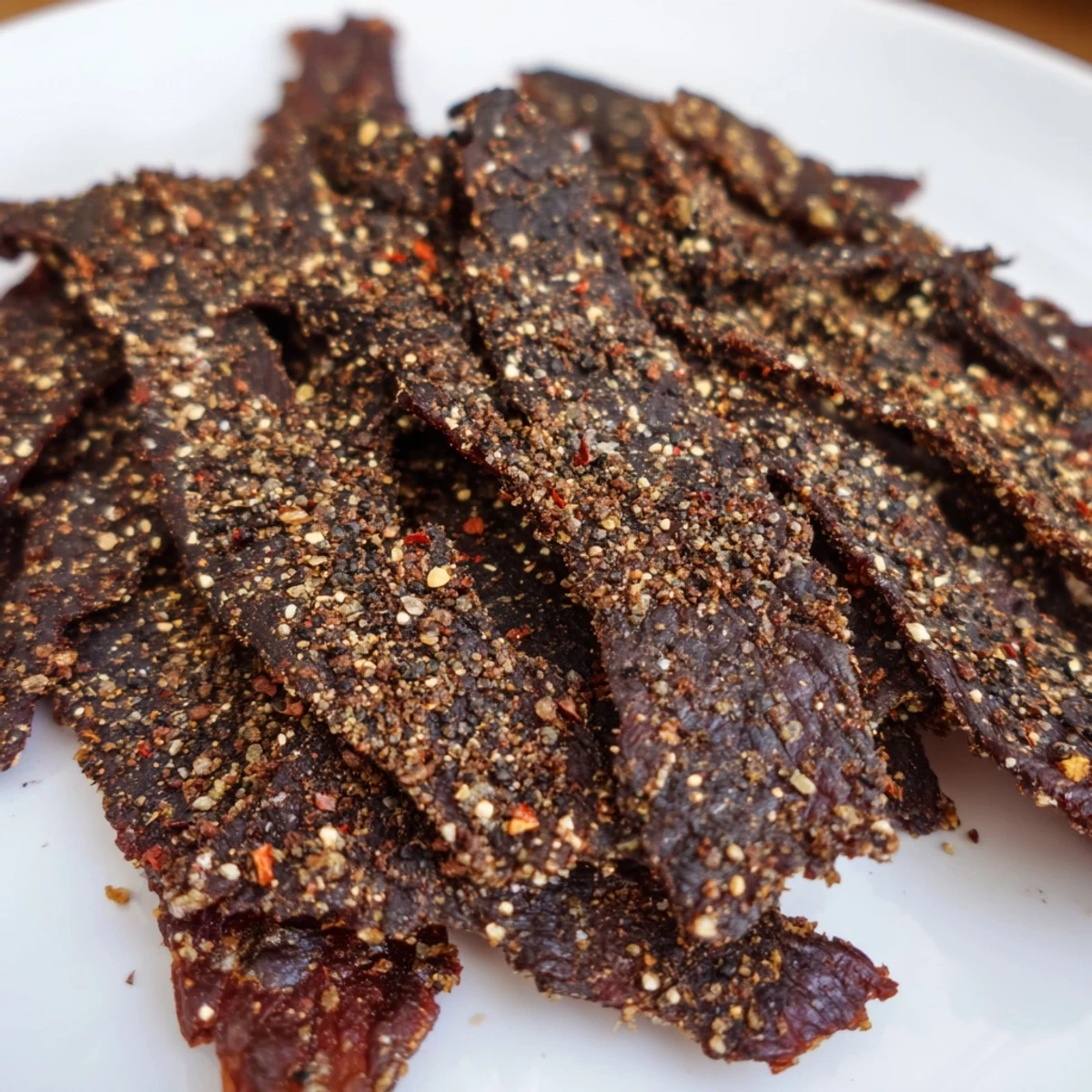
- Keep that oven door cracked open and let it run for 4–6 hours, checking at the 3-hour mark. You want jerky that bends slightly without snapping, not brittle pieces.
- Cool completely before storing:
- Let everything rest at room temperature for at least an hour so moisture doesn't get trapped, then seal it in an airtight container.
 Save
Save There was a moment when I brought a batch to my neighbor who'd been complaining about the smell wafting over the fence, and instead of scolding me, he asked for the recipe. We ended up making jerky together every month after that, turning it into this weird little tradition neither of us expected.
The Freezer Trick That Changes Everything
Freezing the beef isn't just about making slicing easier—it's about controlling the whole outcome. A partially frozen cut gives you clean, uniform pieces that dry evenly, while room-temperature beef shreds and produces jerky that's thick in some spots and paper-thin in others. The difference between good jerky and great jerky often comes down to this one small decision.
Grain Direction and Why It Matters
I used to cut with the grain because I didn't really understand what that meant, and the result was jerky that had this weird, stringy texture that felt wrong between your teeth. Once I started paying attention to the muscle fibers and cutting perpendicular to them, everything clicked—each bite was tender and the flavor sat right on your palate instead of getting stuck between your teeth.
Storage and Shelf Life Secrets
Room temperature works for about a week in an airtight container, but I learned the hard way that humidity is jerky's enemy. Keep it sealed tight, store it in a cool spot away from sunlight, and if you want it to last longer, the fridge extends things significantly—I've kept batches for three weeks with no issues.
- Check your jerky halfway through drying so you know exactly when it reaches that sweet spot of tender but not moist.
- If any pieces seem wetter than others, move them closer to the heat source for the final hour.
- Let it cool completely before sealing or condensation will soften everything and invite mold.
 Save
Save Making jerky became one of those simple skills that feels disproportionately rewarding, like you've discovered a secret the rest of the world overlooked. It's the kind of snack that tastes homemade in every bite, and once you make your own, the store versions never feel quite right again.
Recipe FAQs
- → How thin should the beef slices be?
-
Slices should be about 3–5 mm thick for optimal drying and chewiness.
- → What marinating time is recommended?
-
Marinate the beef for at least 8 hours or overnight to fully absorb the peppery flavors.
- → Can I use a dehydrator instead of an oven?
-
Yes, a dehydrator set to low heat works well for even drying and tender texture.
- → How do I store the dried beef strips?
-
Store cooled, dried strips in an airtight container at room temperature up to a week, or refrigerate for longer.
- → Can I adjust the spice level?
-
Increase crushed red pepper flakes or add cayenne for extra heat according to preference.