
 Save
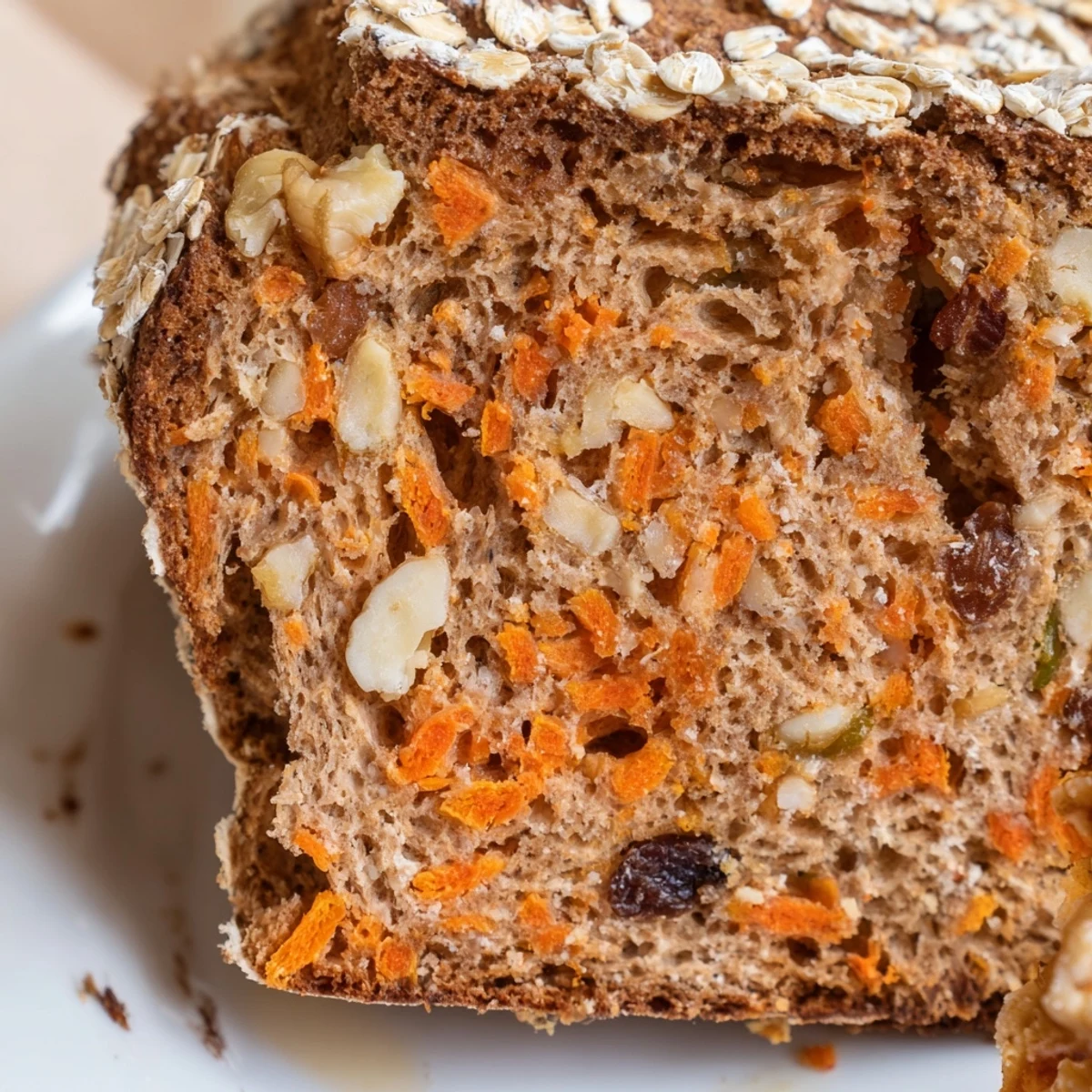
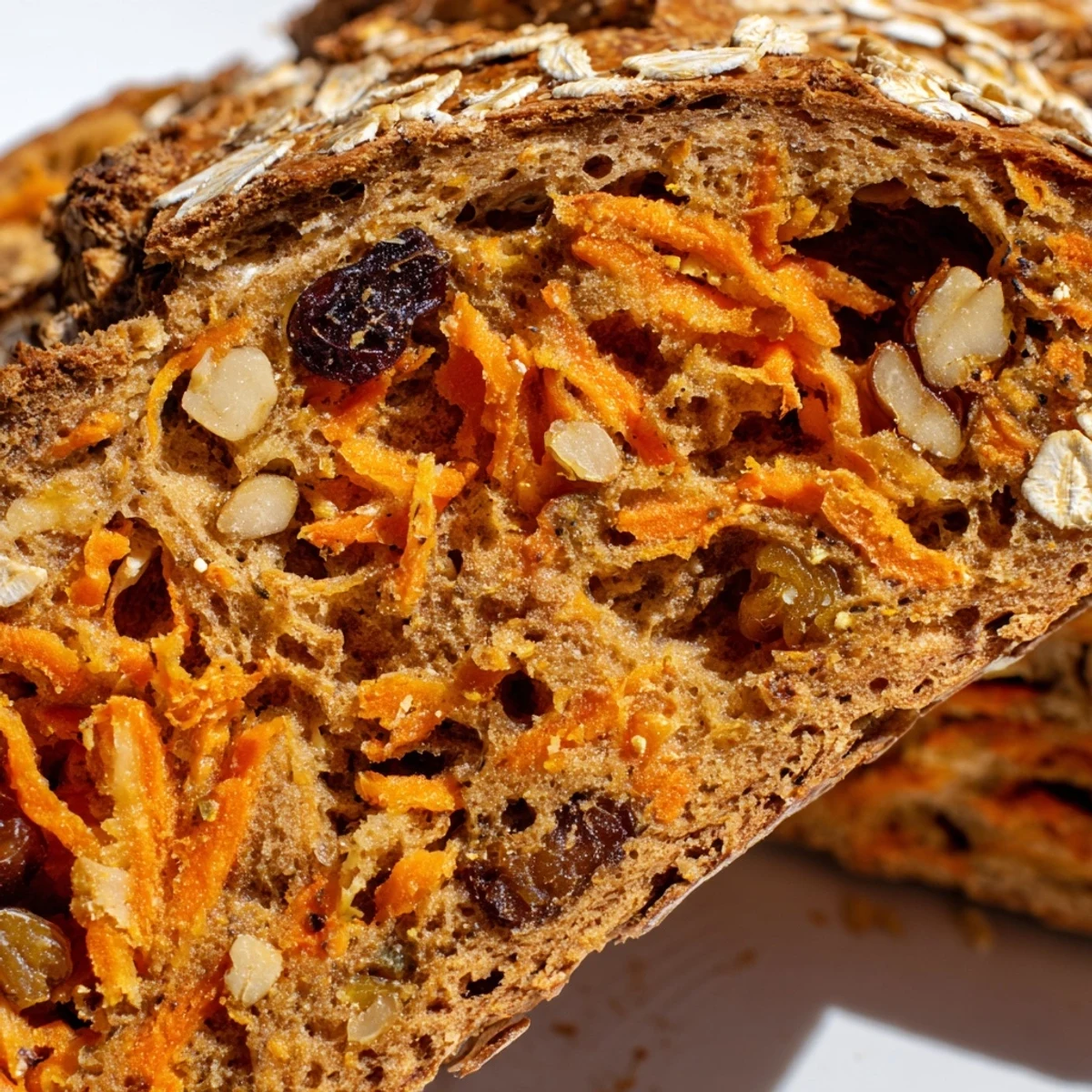
Save This innovative loaf brings together the best of both worlds: the complex tang and chewy texture of traditional sourdough with the warm, comforting spices of carrot cake. Grated carrots add natural sweetness and moisture throughout the crumb, while cinnamon, nutmeg, and ginger create aromatic depth. The long fermentation process develops exceptional flavor and makes this bread easily digestible. Optional raisins and walnuts provide pleasant texture contrast, while overnight refrigeration enhances the sourdough character. The result is a versatile bread that shines toasted with butter for breakfast, paired with cream cheese for an afternoon snack, or enjoyed plain as a satisfying treat.
The first time I pulled this loaf from the oven, my kitchen smelled like a bakery crossed with a grandmother's kitchen in autumn. I'd been experimenting with adding vegetables to my sourdough for months—zucchini bread was a disaster, beet bread turned everything purple—but carrots? They were the magic I hadn't seen coming. Now every spring when farmer's markets overflow with those sweet, earthy roots, I know exactly what's happening in my kitchen.
Last autumn, my sister came over when I had a proofing basket on the counter. She took one skeptical look at the orange-flecked dough and asked if I'd lost my mind trying to bake dessert into bread. Three hours later, she was sitting at my table with cream cheese smeared on a second slice, texting her friends about the discovery.
Ingredients
- 100 g active sourdough starter: Feed it 4-6 hours before mixing so it is bubbly and active, not sluggish from the fridge
- 350 g bread flour: The high protein content here gives structure to all those heavy grated vegetables
- 75 g whole wheat flour: Adds nutty depth and complements the earthy carrot flavor perfectly
- 250 g grated carrots: Use the finest grater you have so the carrots nearly disappear into the crumb
- 60 g brown sugar: This feeds the starter and provides just enough sweetness without making it dessert
- 1 tsp cinnamon, 1/2 tsp nutmeg, 1/2 tsp ginger: The classic warming trio that makes everything smell like comfort
- 8 g fine salt: Do not reduce this or the bread will taste flat and uninspired
- 200 ml lukewarm water: Adjust based on your flour, but sticky is better than dry with this dough
- 60 g raisins and 50 g walnuts: These are optional but honestly they make the difference between good and unforgettable
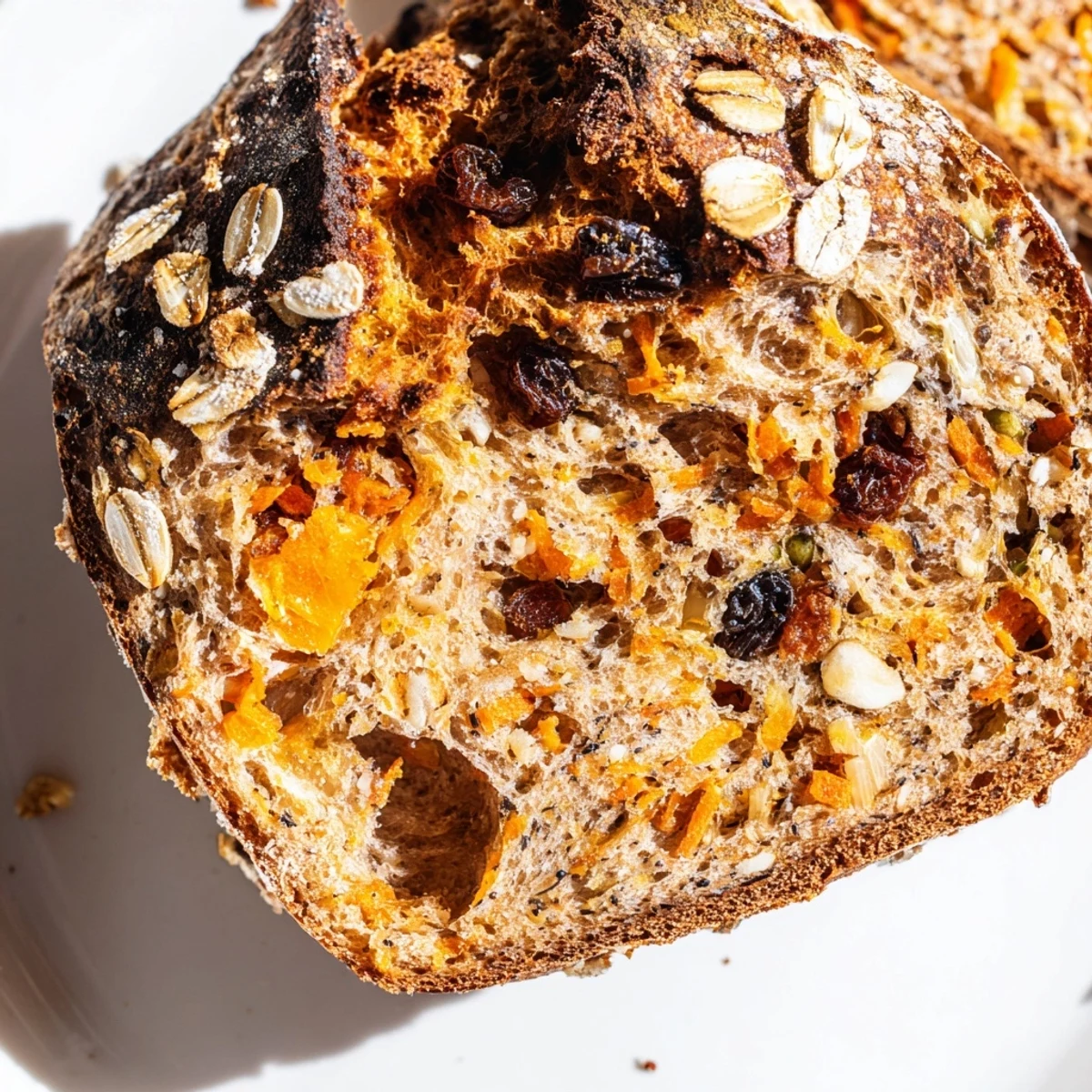
- 30 g rolled oats and sunflower seeds: For the topping that gives it that bakery-style finish
Instructions
- Mix the base:
- Combine your starter, water, and brown sugar in a large bowl, stirring until the sugar completely disappears into the liquid.
- Build the dough:
- Add both flours, all the spices, and salt, mixing until everything comes together into a rough, sticky mass that looks like it might be a mistake.
- Add the good stuff:
- Fold in the grated carrots along with the raisins and nuts if you are using them, until they are evenly distributed throughout the dough.
- Gentle kneading:
- Work the dough for just 3-4 minutes by hand or with a dough hook until combined, but do not overwork it or those carrots will start to oxidize.
- Let it rest:
- Cover the bowl with a clean towel and walk away for 30 minutes, letting the flour hydrate and the gluten start developing on its own.
- Stretch and fold:
- Perform 3-4 sets of stretch and folds every 30 minutes over 2 hours, grabbing one side of the dough and pulling it up over the center.
- Bulk fermentation:
- Cover and let the dough rise at room temperature for 4-6 hours until it has doubled in size and feels pillowy and alive.
- Shape for the final rise:
- Gently shape the dough into a round boule or oval batard, then place it seam-side up in a parchment-lined basket or bowl.
- Overnight magic:
- Cover and refrigerate for 8-10 hours, during which time the flavors will deepen and the crust will develop that signature sourdough character.
- Get ready to bake:
- Preheat your oven to 230°C (450°F) with a Dutch oven inside so it gets screaming hot.
- The moment of truth:
- Turn the dough onto parchment, sprinkle with oats and seeds if you like, score the top with a sharp knife, and carefully transfer everything into the hot Dutch oven.
- Bake with steam:
- Cover and bake for 25 minutes, then uncover and continue baking for 20 more minutes until the crust is deeply golden and sounds hollow when tapped.
- The hardest part:
- Cool completely on a wire rack, because cutting into warm bread will ruin the texture you spent all day developing.
 Save
Save This bread has become my go-to when friends need cheering up or when Sunday mornings call for something special. There is something about slicing into that carroty, cinnamon-scented crumb that makes even the most ordinary weekend feel like a celebration.
The Secret to Perfect Grating
I learned the hard way that chunky carrot pieces create weird pockets in your bread and keep the gluten from developing properly. Use the finest side of your box grater or even a food processor with the grating attachment. The carrots should almost dissolve into the dough, leaving only their sweetness and moisture behind.
Timing Around Your Schedule
The beauty of this recipe is that the overnight fermentation works around your life instead of the other way around. Mix the dough before dinner, do your stretch and folds while catching up on shows, then let it proof in the fridge while you sleep. Fresh bread is waiting when you wake up.
Making It Your Own
Once you have mastered the base version, start playing with the add-ins that speak to you. Dried cranberries instead of raisins give it a tart twist. Pecans bring a buttery richness that walnuts cannot match. Some days I even add a tablespoon of vanilla extract to the water for extra warmth.
- Try adding shredded coconut for tropical notes
- Swap some white flour for rye if you like earthier flavor
- Toast your nuts before adding them for deeper flavor
 Save
Save There is nothing quite like waking up to the smell of this bread baking, knowing you get to slather a warm slice with cream cheese and call it breakfast. Happy baking.
Recipe FAQs
- → What makes this bread different from regular carrot cake?
-
This combines the fermentation process of sourdough with carrot cake flavors. The result is less sweet than cake, with a chewy bread texture, tangy undertones, and the ability to toast beautifully.
- → Can I skip the overnight fermentation?
-
While you can let it rise at room temperature for 4-6 hours and bake immediately, overnight refrigeration develops deeper sourdough flavor, improves texture, and makes the dough easier to handle.
- → Do I need a Dutch oven?
-
A Dutch oven creates steam for a crispy crust and good oven spring. Alternatively, bake on a stone with a tray of ice cubes below, or use a heavy pot with a lid.
- → How should I store this bread?
-
Store at room temperature in a paper bag for up to 3 days. For longer storage, slice and freeze in a sealed bag. Refrigeration can make the crust soft but extends shelf life.
- → Can I make this without raisins and nuts?
-
Absolutely. The bread is delicious plain, or you can substitute with dried cranberries, chopped dates, pumpkin seeds, or leave out add-ins entirely for a simpler version.
- → Is the starter ready to use immediately?
-
You need an active, bubbly starter that's been fed 4-8 hours earlier and has doubled in volume. A dormant starter won't provide enough rise or develop proper flavor.