
 Save
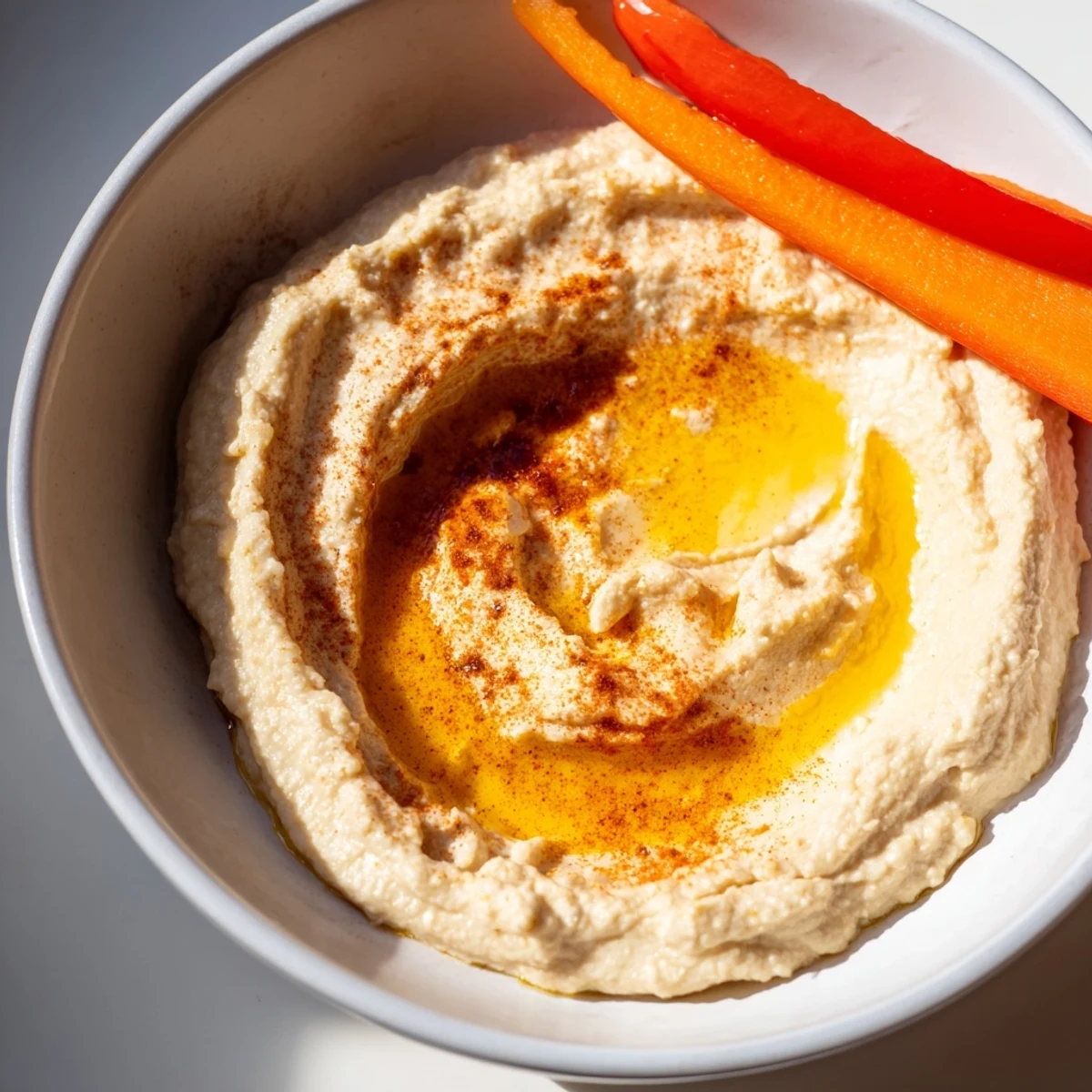
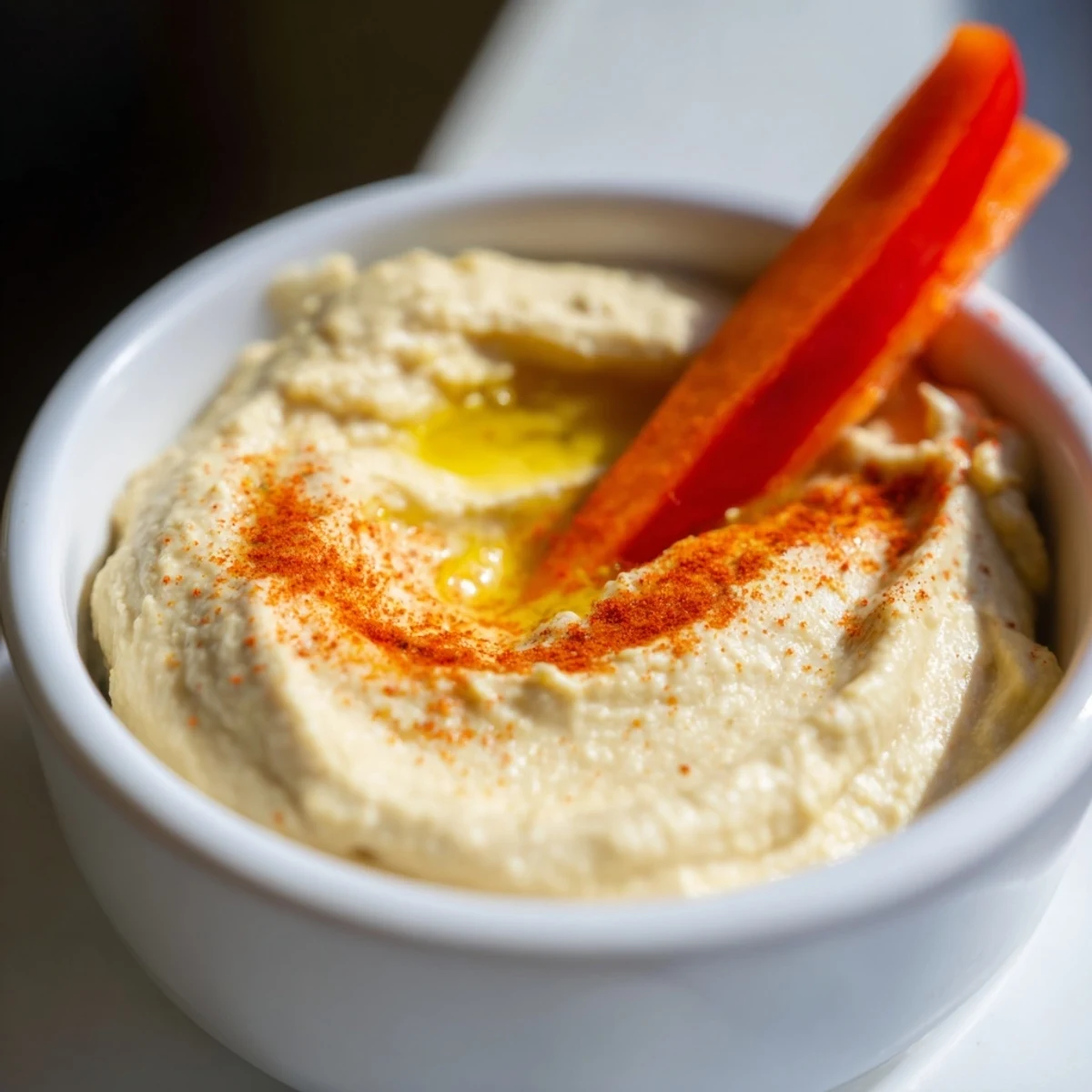
Save This creamy chickpea dip combines tahini, olive oil, lemon juice, garlic, and spices for a smooth, flavorful spread. Served with a colorful array of fresh vegetable sticks, including carrots, cucumbers, and bell peppers, it offers a refreshing contrast of textures. This no-cook, simple dish is quick to prepare and ideal for healthy snacking or entertaining. Adjust seasoning to taste and consider a drizzle of olive oil or a sprinkle of smoked paprika for added zest.
There's something about the sound of a food processor whirring that signals something good is about to happen. I discovered hummus by accident one afternoon when a friend showed up unexpectedly with tahini, and I had a can of chickpeas gathering dust in my pantry. Twenty minutes later, we were dipping vegetables into the silkiest, most satisfying thing I'd made in months—no fancy techniques, just simple ingredients that transform into pure comfort.
I remember bringing this to a potluck once and watching how quickly the bowl emptied—people kept coming back for more, loading up vegetables and having quiet conversations around the platter. That's when I realized hummus isn't just food; it's a reason for people to gather and linger.
Ingredients
- Chickpeas: The heart of hummus, they become impossibly creamy when blended with tahini and olive oil.
- Tahini: This sesame paste is the secret that makes hummus taste like hummus—don't skip it or substitute.
- Extra virgin olive oil: It adds richness and a peppery finish that makes the whole dip come alive.
- Lemon juice: Fresh lemon is essential; bottled juice won't give you that bright, awakening punch.
- Garlic: One small clove is enough—it seasons without overpowering.
- Ground cumin: Just a whisper of it adds warmth and authentic flavor.
- Salt: Taste as you go; every batch of chickpeas absorbs salt differently.
- Cold water: This controls the consistency, so add it slowly and in small amounts.
- Fresh vegetables: Choose whatever looks best at the market—crisp carrots, firm peppers, and cool cucumbers are your partners in this dish.
Instructions
- Gather and prepare:
- Drain and rinse your chickpeas thoroughly under cold water—this removes the starchy liquid that can make hummus gummy. While you're at it, peel and chop your vegetables and set them aside so everything is ready to go.
- Blend the base:
- Add chickpeas, tahini, olive oil, lemon juice, minced garlic, cumin, and salt to your food processor. Pulse until the mixture looks like wet sand, then blend on high until it becomes creamy and smooth, stopping to scrape down the sides every 30 seconds or so.
- Reach your perfect texture:
- Drizzle in cold water one tablespoon at a time, blending between additions until the hummus flows smoothly but still holds its shape. This is where patience pays off—rushing it leads to soup, taking your time leads to clouds.
- Season to perfection:
- Taste a small spoonful and decide what it needs: more brightness from lemon, more depth from cumin, or more salt to bring all the flavors forward. Trust your palate.
- Present with beauty:
- Transfer the hummus to a shallow bowl, creating a gentle well in the center with the back of a spoon. Drizzle with a little more olive oil and scatter fresh herbs or paprika on top if you like.
- Arrange and serve:
- Arrange your vegetable sticks on a platter in a loose, inviting circle around the hummus bowl so everyone can reach in easily.
 Save
Save The first time I really understood hummus was when my grandmother told me it was meant to be shared—not rushed through, but lingered over, scooped up slowly, and enjoyed with whoever was sitting beside you. That shift changed how I make it now.
The Magic of Tahini
Tahini is where most hummus attempts either soar or stumble. It's a thin, nutty paste made from ground sesame seeds, and it's the ingredient that gives hummus its signature creamy, almost silky texture. The first time I used cheap tahini, I wondered why my hummus tasted muddy and flat—switching to a good quality brand made all the difference. Store it upside down in your pantry so the natural oils redistribute, and give it a good stir before using.
Vegetables That Work Best
While carrots, peppers, and cucumber are classic for good reason, the best vegetable sticks are the ones that are cold, crisp, and freshly cut. I've learned that cutting vegetables just before serving means they stay snappy and clean-tasting instead of becoming limp. In summer, I love adding radishes and snap peas; in winter, blanched broccoli and cauliflower florets feel more satisfying. The key is choosing vegetables with a firm bite that contrasts beautifully with the creamy hummus.
Storage and Make-Ahead Magic
This is one of those rare recipes that actually improves slightly after a day in the refrigerator—the flavors meld and deepen. Hummus keeps perfectly for up to four days in an airtight container, making it ideal for meal prep or when unexpected guests arrive. I often make it on a Sunday afternoon and know I have something ready whenever hunger strikes during the week. Pro tip: always cover the surface with a thin layer of olive oil before storing, which keeps it from drying out and adds richness every time you dip.
- Make it the day before an event so you're not stressed about timing.
- Bring it to room temperature 15 minutes before serving for the best flavor.
- Leftover hummus works beautifully spread on sandwiches or as a sauce for roasted vegetables.
 Save
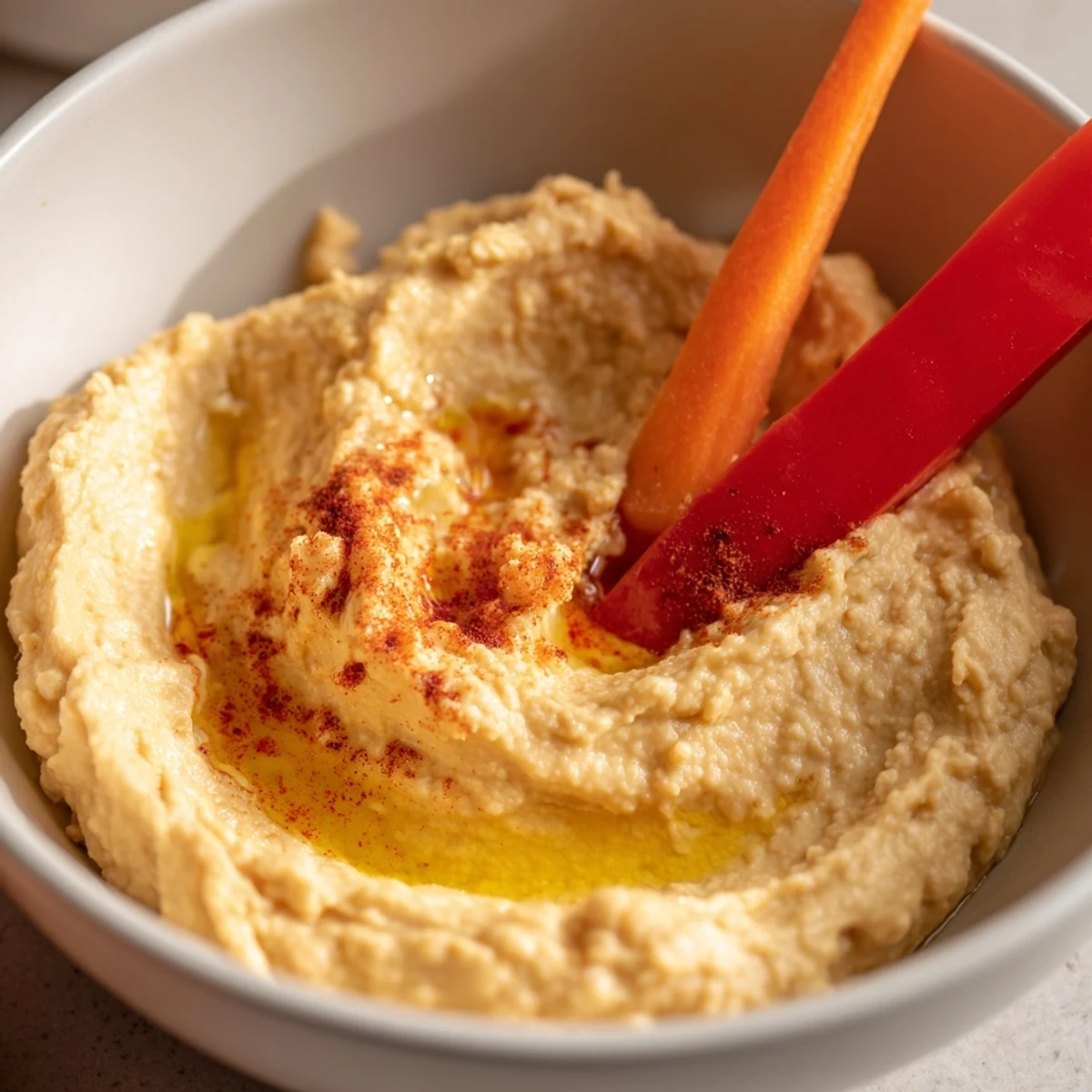
Save Hummus is proof that some of the best things to eat are built on the simplest foundations. Make it once, taste it, adjust it to your liking, and it becomes yours.
Recipe FAQs
- → What gives hummus its creamy texture?
-
The creamy texture comes from blending chickpeas with tahini, olive oil, lemon juice, and water until smooth and silky.
- → Which vegetables work best for dipping alongside hummus?
-
Crunchy vegetables like carrots, cucumbers, celery, and bell peppers provide a fresh and crisp contrast, perfect for dipping.
- → How can I adjust the seasoning to suit my taste?
-
You can add extra lemon juice for brightness, more garlic for pungency, or a pinch of cumin and salt to enhance the flavor.
- → Can this dish be made in advance?
-
Yes, the dip can be prepared ahead and stored refrigerated for up to four days, allowing flavors to meld wonderfully.
- → Are there any common allergens in this dish?
-
This dish contains sesame from tahini. It is naturally gluten- and dairy-free, but always check ingredient labels for cross-contamination.