
 Save
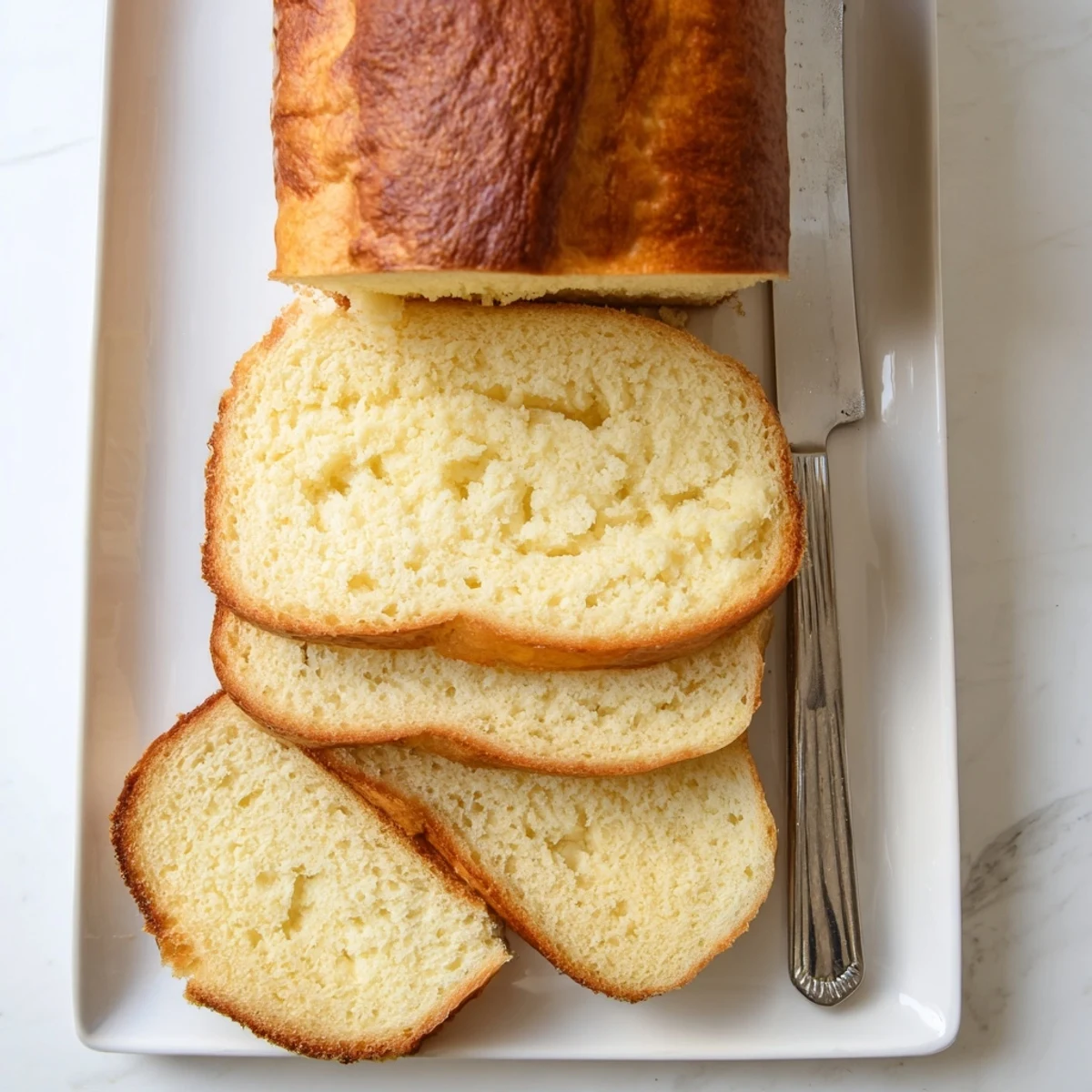
Save This wholesome loaf combines cottage cheese with basic pantry ingredients to create a tender, protein-packed bread. The creamy cheese adds moisture and a subtle tang while boosting the protein content, making each slice more satisfying than standard white bread. After mixing and kneading, the dough rises for about an hour before baking into a golden, aromatic loaf perfect for morning toast or lunch sandwiches.
The first time I heard about putting cottage cheese in bread, I'll admit I was skeptical. My grandmother's friend swore by it, claiming it made the softest loaf she'd ever baked, and I finally gave in out of curiosity. When that golden loaf emerged from the oven, I understood what all the fuss was about.
Last winter, when my sister was recovering from surgery and needed protein-rich meals, I started making this bread weekly. She'd text me pictures of her breakfast toast, topped with avocado or melted cheese, and eventually admitted she'd stopped buying store bread entirely. Now she makes it for her own family, and I get photos of her little ones helping knead the dough with flour-dusted hands.
Ingredients
- 3 cups all-purpose flour: The foundation that gives structure while staying light
- 2 tbsp granulated sugar: Feeds the yeast and helps the bread develop a beautiful golden crust
- 1½ tsp salt: Essential for flavor and controlling yeast growth
- 2¼ tsp active dry yeast: One standard packet creates reliable rise every time
- 1 cup cottage cheese: The secret ingredient that makes this bread exceptionally tender and moist
- ¼ cup warm milk: Activates the yeast and adds richness to the crumb
- 2 tbsp unsalted butter, melted: Contributes to a soft texture and subtle buttery flavor
- 1 large egg: Adds structure and helps the bread hold its shape beautifully
Instructions
- Mix the dry foundation:
- Combine flour, sugar, salt, and yeast in a large bowl, stirring until everything is evenly distributed
- Whisk the wet ingredients:
- Blend cottage cheese, warm milk, melted butter, and egg in a separate bowl until completely smooth
- Bring dough together:
- Pour the wet mixture into the dry ingredients and mix with a wooden spoon until a sticky dough forms
- Knead until smooth:
- Turn dough onto a floured surface and knead for about 8 minutes until it feels elastic and springs back when touched
- First rise:
- Place dough in a lightly greased bowl, cover, and let rise in a warm spot until doubled, about 1 hour
- Shape your loaf:
- Punch down gently, form into a loaf shape, and place in a greased 9x5 inch loaf pan
- Second rise:
- Cover and let rise for 30 minutes until the dough reaches about 1 inch above the pan rim
- Bake to golden perfection:
- Bake at 350°F for 35 minutes until deep golden and the loaf sounds hollow when tapped on the bottom
- Cool completely:
- Remove from pan immediately and cool on a wire rack before slicing to prevent gummy texture
 Save
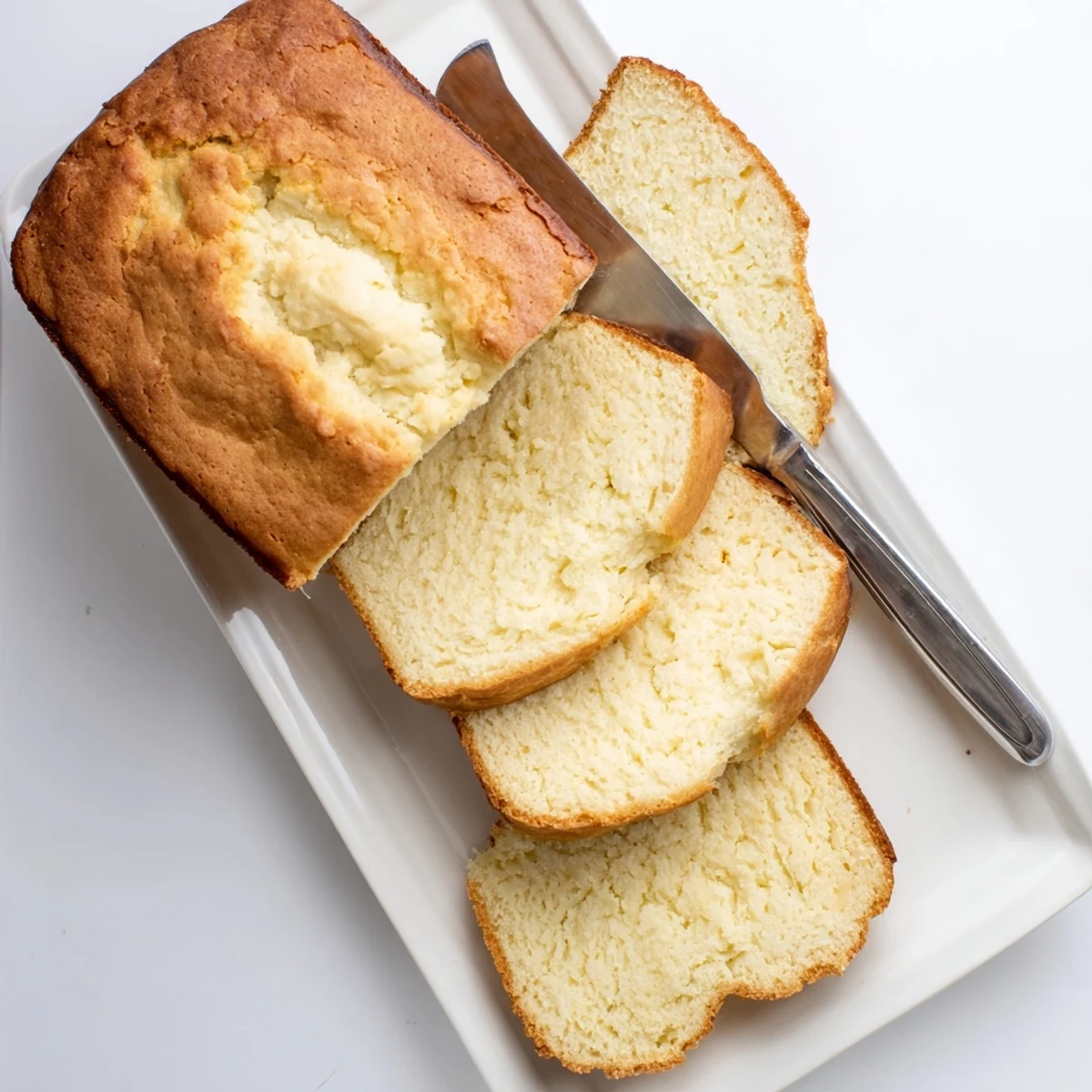
Save This bread has become my go-to for housewarming gifts because people always ask for the recipe after that first bite. I've started keeping small curd cottage cheese specifically for baking, and my family knows the white container means fresh bread is coming. There's something so satisfying about watching someone take their first slice, still slightly warm from the oven.
Getting The Rise Right
Find the warmest spot in your kitchen for rising, but avoid direct sunlight which can overheat the dough. I turn my oven light on and place the bowl inside with the door closed, creating a perfect proofing environment. Your dough should double in size during the first rise, and if your kitchen runs cool, this might take up to 90 minutes.
Customization Ideas
Fresh chopped herbs like chives, rosemary, or dill can be folded into the dough during the final minutes of kneading for savory variations. I've also added minced garlic and shredded sharp cheddar for a cheese bread that disappears at parties. For something completely different, try swapping half the all-purpose flour for whole wheat to add nuttiness and extra fiber.
Storage And Serving Suggestions
This bread stays remarkably fresh for three to four days when stored in a sealed bag at room temperature. For longer storage, slice the loaf before freezing and toast individual slices directly from frozen. The texture actually improves slightly after a day, as the flavors have time to meld together.
- Wrap tightly in plastic wrap if gifting to someone
- Revive slightly stale slices by toasting or grilling
- Make grilled cheese sandwiches that will ruin you for any other bread
 Save
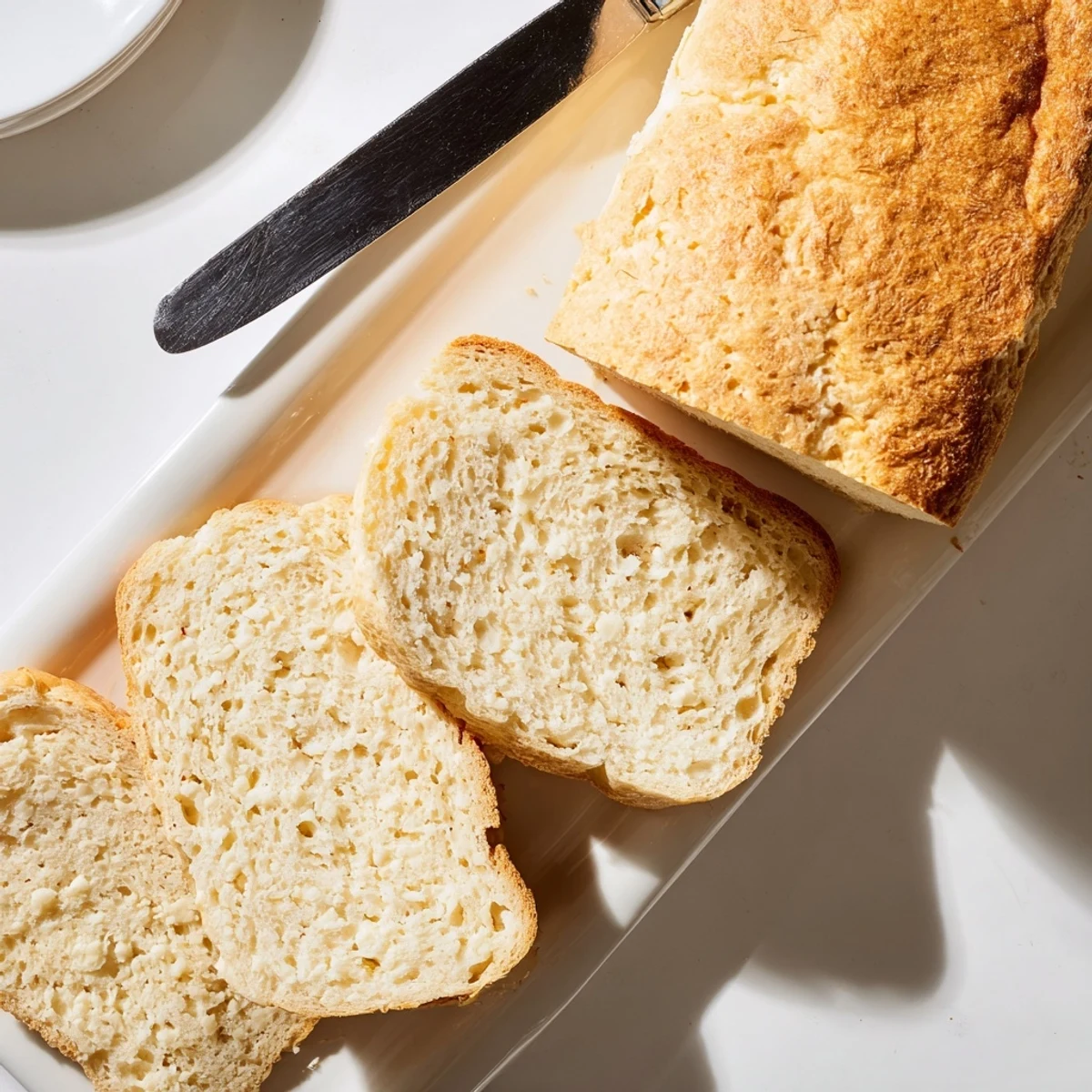
Save Every time I pull this loaf from the oven, I'm reminded that the best recipes often come from the most unexpected ingredients. Happy baking.
Recipe FAQs
- → What does cottage cheese add to bread?
-
Cottage cheese adds moisture, tenderness, and protein to the loaf. It creates a softer texture while contributing a subtle tanginess that enhances the overall flavor. The cheese also helps keep the bread fresh longer.
- → Can I use low-fat cottage cheese?
-
Yes, low-fat cottage cheese works well in this loaf. The bread may be slightly less tender but will still have good texture and flavor. Full-fat cottage cheese produces the richest, moistest results.
- → How should I store this loaf?
-
Store the cooled loaf in a plastic bag or wrapped tightly at room temperature for up to 3 days. For longer storage, slice and freeze in a freezer bag for up to 3 months. Toast frozen slices directly from frozen.
- → Why is my dough too sticky?
-
The dough will naturally be sticky due to the cottage cheese content. Add flour gradually while kneading, just enough to handle the dough without it sticking to your hands or surface. Too much flour will make the loaf dense.
- → Can I add herbs or other mix-ins?
-
Absolutely. Fresh herbs like chives, dill, or rosemary work beautifully. You can also add garlic powder, grated cheese, or even sun-dried tomatoes. Fold these in during the final minute of kneading.
- → How do I know when the loaf is done baking?
-
The loaf is done when it's golden brown on top and sounds hollow when tapped on the bottom. An instant thermometer inserted into the center should read 190-200°F (88-93°C). Let it cool completely before slicing.