
 Save
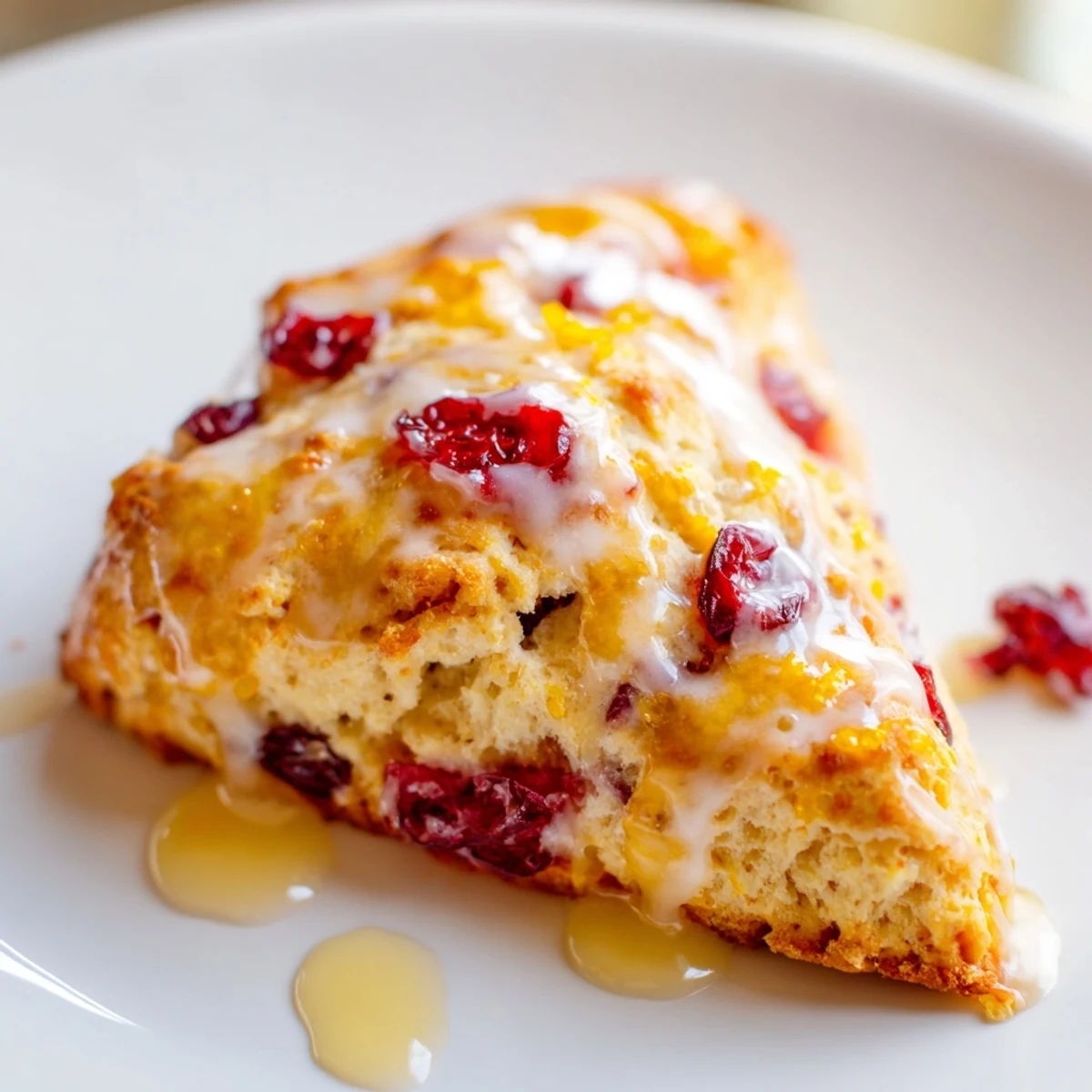
Save These tender scones combine flaky, buttery dough with juicy cranberries and aromatic orange zest for a refreshing citrus twist. The mixture of dry and wet ingredients creates a light crumb topped with an optional sweet orange glaze. Perfectly golden after a quick bake, they pair wonderfully with clotted cream or butter and suit any simple morning or afternoon gathering.
My kitchen always smells like butter and citrus on Sunday mornings, ever since I discovered that cranberry-orange combination at a little tea shop in Scotland. The baker there wouldn't share the recipe, so I spent months experimenting with different ratios of zest and fruit until I cracked it. Now whenever I make these scones, my household gathers around the cooling rack like seagulls—they never make it to the afternoon.
I brought these to a book club once and watched someone take a bite, close their eyes, and immediately ask if they could eat another while standing in the kitchen. That's when I knew the formula was right—not fussy, just genuinely good.
Ingredients
- All-purpose flour (2 cups): The foundation matters; I use unbleached because it behaves more predictably and stays tender.
- Granulated sugar (1/3 cup): Just enough sweetness to balance the tartness coming from the cranberries without making these taste like dessert.
- Baking powder (1 tbsp): This is your lift; don't skip it and don't use old baking powder that's been open for two years.
- Salt (1/2 tsp): A small amount that nobody will taste directly but will notice the absence of if you forget.
- Cold unsalted butter (1/2 cup, cubed): Cold is non-negotiable here; if it's warm, your scones become dense bricks instead of tender clouds.
- Heavy cream (2/3 cup, plus extra for brushing): This is what keeps them moist and tender; you could use half-and-half in a pinch but the richness won't be the same.
- Large egg (1): Brings the dough together and creates that beautiful golden top when brushed on.
- Orange zest (1 large orange): The entire reason this recipe exists; use a microplane and don't be shy with it.
- Pure vanilla extract (1 tsp): A quiet ingredient that pulls all the flavors together without announcing itself.
- Fresh or dried cranberries (1 cup): The tart counterpoint that makes every bite interesting; frozen works fine too, don't thaw them.
- Powdered sugar (1/2 cup, optional glaze): For dusting if you want extra sweetness on top.
- Fresh orange juice (1-2 tbsp, optional glaze): Thinned with powdered sugar for a light citrus finish.
Instructions
- Heat your oven and prepare:
- Preheat to 400°F and line your baking sheet with parchment paper so the bottoms don't stick and you don't spend fifteen minutes scraping them off later.
- Build the dry base:
- Whisk together flour, sugar, baking powder, and salt in a large bowl. This distributes the leavening evenly and prevents any pockets of raw baking powder flavor.
- Cut in the butter:
- Add cold cubed butter and use a pastry cutter or your fingertips to work it into the flour until it resembles coarse breadcrumbs. The small butter pieces create steam pockets as they melt, which is what gives scones their characteristic crumb structure.
- Combine the wet ingredients:
- In a separate bowl, whisk together cream, egg, orange zest, and vanilla extract. This method prevents lumps and ensures the zest is evenly distributed.
- Bring it together gently:
- Pour the wet mixture into the dry ingredients, scatter the cranberries over top, and stir just until everything is barely combined. Overmixing develops gluten and makes them tough; you want a slightly shaggy dough that holds together.
- Shape and cut:
- Turn the dough onto a lightly floured surface and gently shape it into an 8-inch round about 1 inch thick, then cut it into 8 wedges like a pizza. Keep your touch light and your movements quick.
- Prepare for baking:
- Arrange the wedges on the prepared baking sheet with a little space between each one so steam can escape. Brush the tops with a bit of extra cream to encourage browning and add shine.
- Bake until golden:
- Bake for 16-18 minutes until the tops are deep golden brown and a toothpick inserted in the center comes out clean. The aroma will tell you when they're close to done.
- Cool and glaze:
- Let them cool slightly on a wire rack, then whisk together powdered sugar and orange juice to a drizzly consistency and drizzle over the tops if you want extra sweetness.
 Save
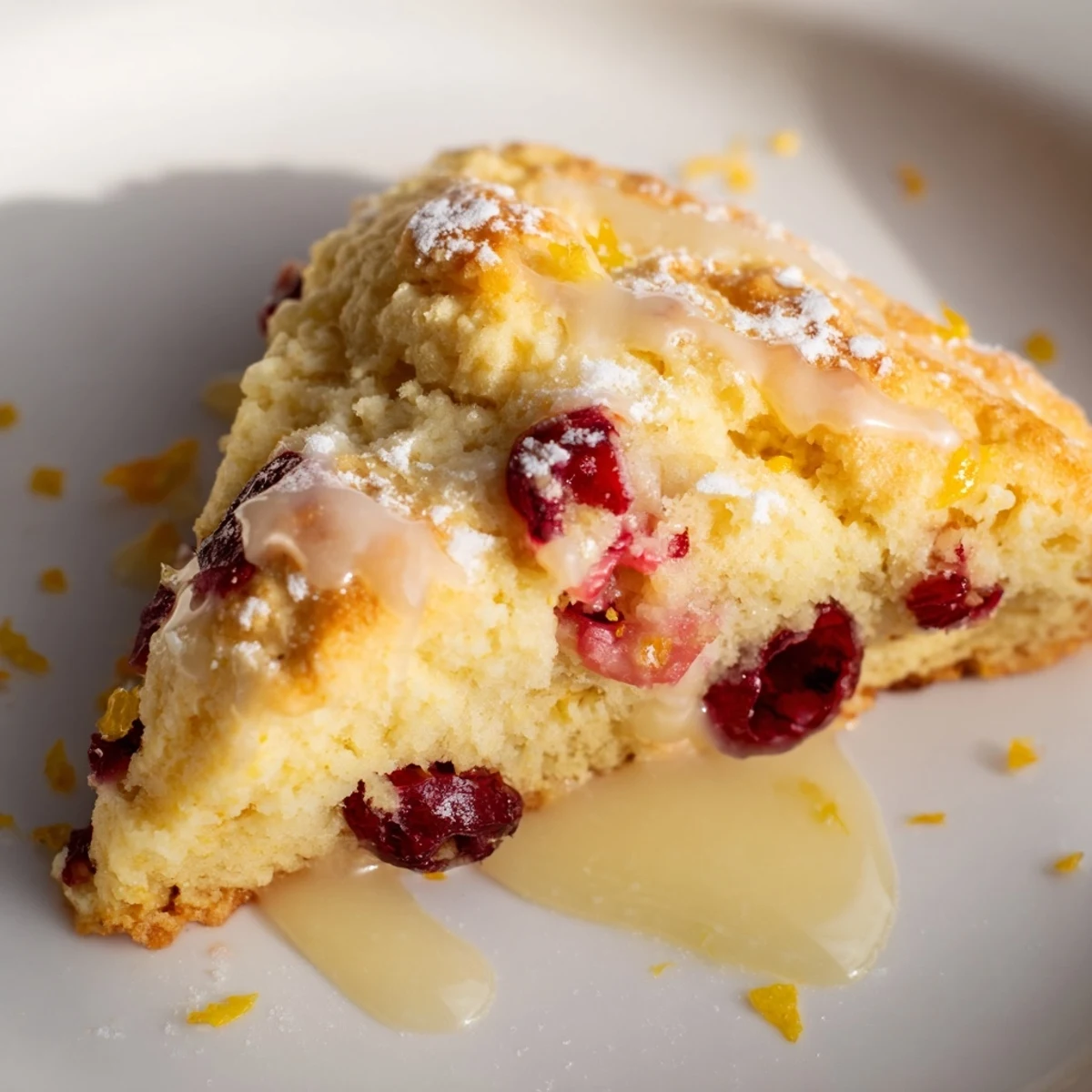
Save There's something about splitting a warm scone in half and watching the steam rise from inside, knowing that underneath the glaze is all that buttery, tender crumb studded with tart bursts of fruit. That's the moment when baking stops being about following instructions and becomes about creating something worth sharing.
The Orange and Cranberry Balance
The magic of this recipe lives in the contrast between bright, citrusy notes and deep tartness. I learned this the hard way when I first made them with too much sugar and no orange zest—they tasted like generic sweet baked goods. The combination of zest and cranberries creates something more interesting, something that tastes like someone actually thought about flavor instead of just mixing ingredients together.
Texture and the Resting Game
These scones live and die by how you handle the dough, and I've made every mistake possible. Too much kneading and they become tough and dense. Too little mixing and they fall apart when you cut them. The sweet spot is when everything just barely holds together—it feels slightly underdone, which is exactly right.
Serving and Storage
Warm scones with clotted cream and a cup of strong tea is how they're meant to be eaten, though I've been known to eat them cold from the counter at midnight too. They're best on the day you make them, but you can wrap them and reheat them gently the next morning if you have leftovers, which is rare in my house.
- Store them in an airtight container at room temperature for up to two days, though they lose their best texture after about twelve hours.
- You can freeze the baked scones for up to a month and reheat them wrapped in foil at 300°F for about ten minutes.
- If you want to bake them later, you can prepare the dough, freeze the cut wedges, and bake from frozen by adding just a few extra minutes to the baking time.
 Save
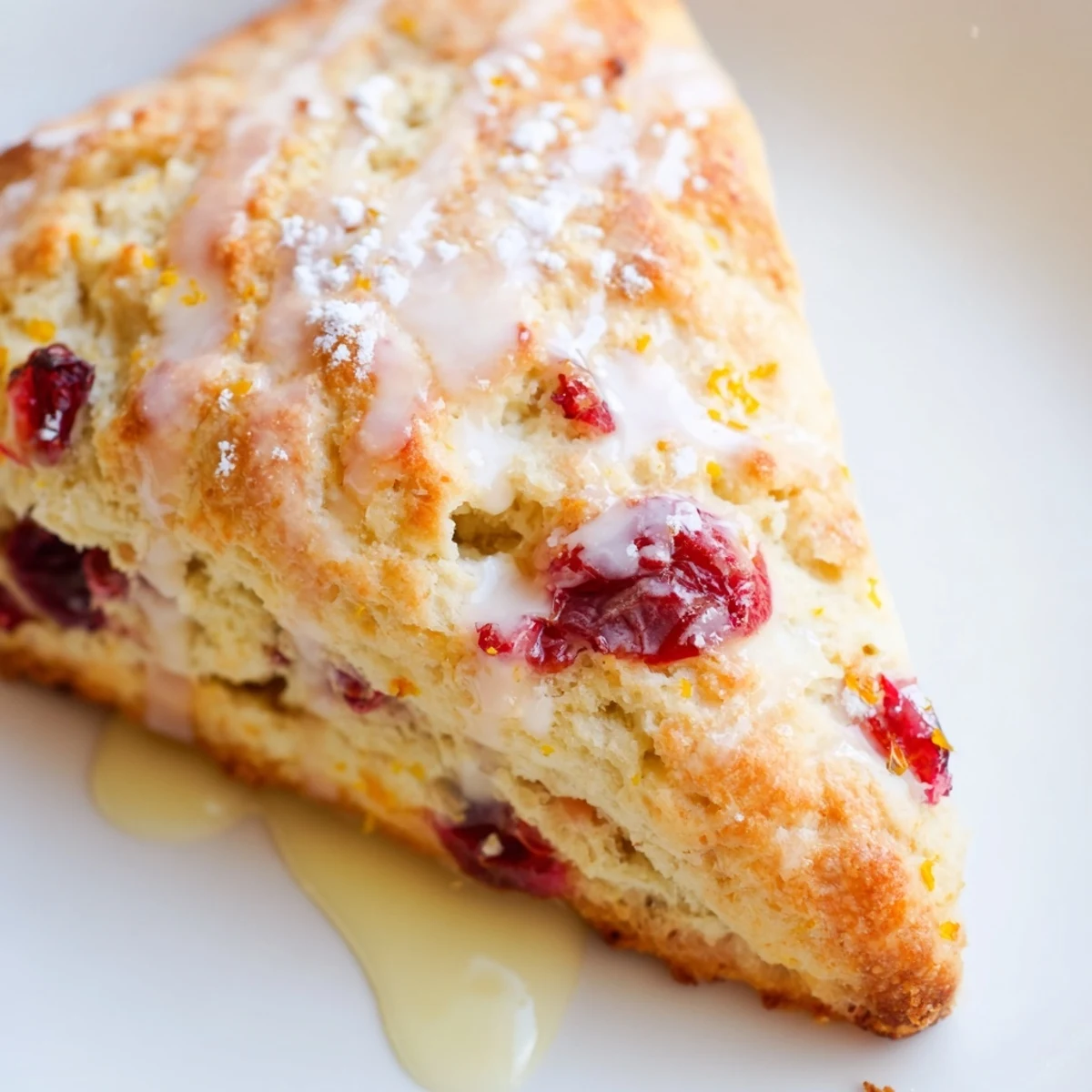
Save These scones have become my answer to Sunday mornings and unexpected guests alike. They prove that something simple, made with just a little attention and care, can become the kind of food people actually remember.
Recipe FAQs
- → How do I prevent the scones from becoming tough?
-
Use cold butter and avoid overmixing the dough to maintain a tender, flaky texture.
- → Can I substitute dried cranberries for fresh?
-
Yes, dried cranberries work well if soaked in warm water for 10 minutes and drained before adding.
- → What is the best way to add orange flavor?
-
Freshly grated orange zest in the dough and a glaze made from orange juice and powdered sugar enhance the citrus aroma.
- → How should I bake the scones for even cooking?
-
Place scones spaced comfortably on a parchment-lined baking sheet and bake at 400°F (200°C) until golden brown.
- → What can I serve alongside these scones?
-
They pair beautifully with clotted cream, butter, citrusy teas, or sparkling wine for a delightful treat.