
 Save
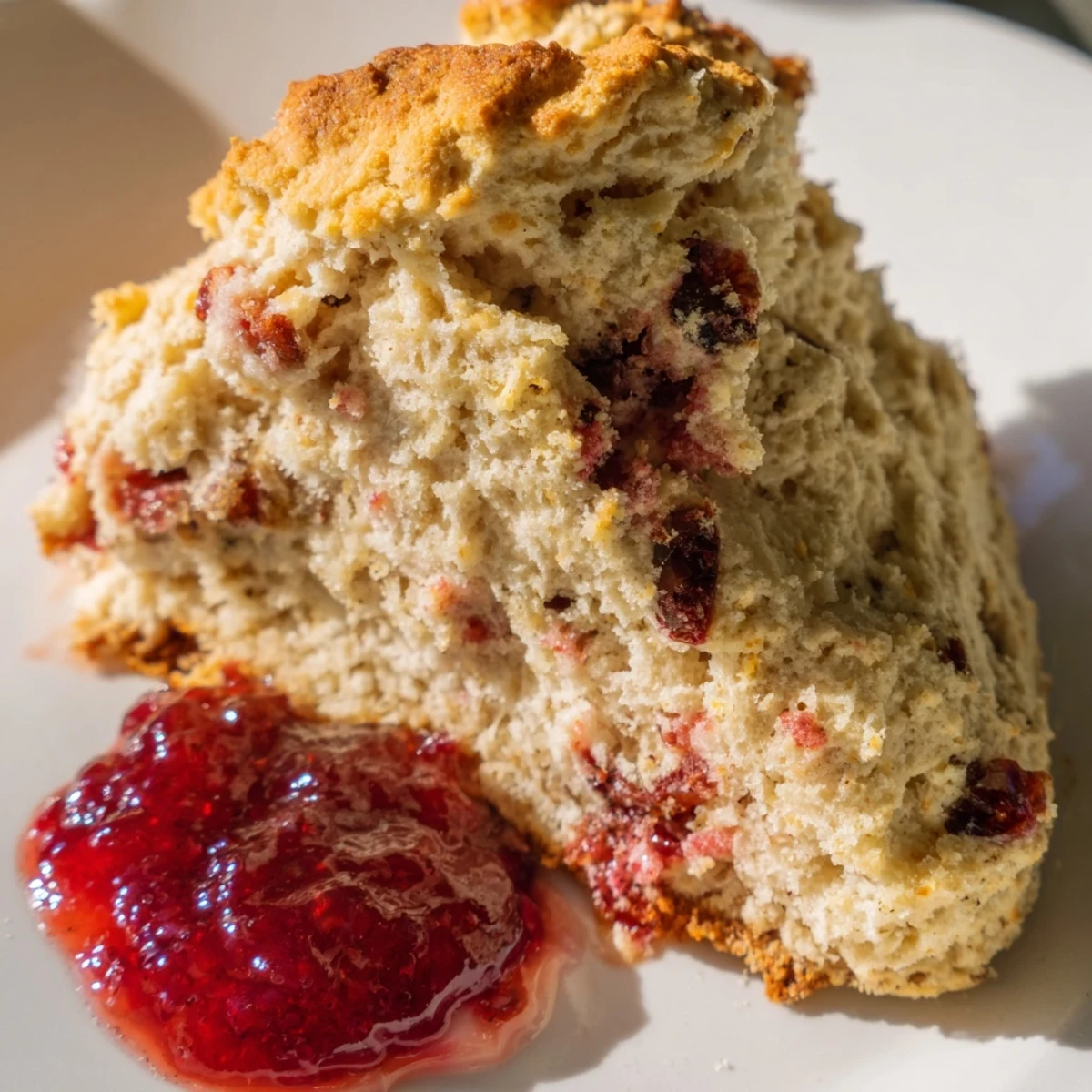
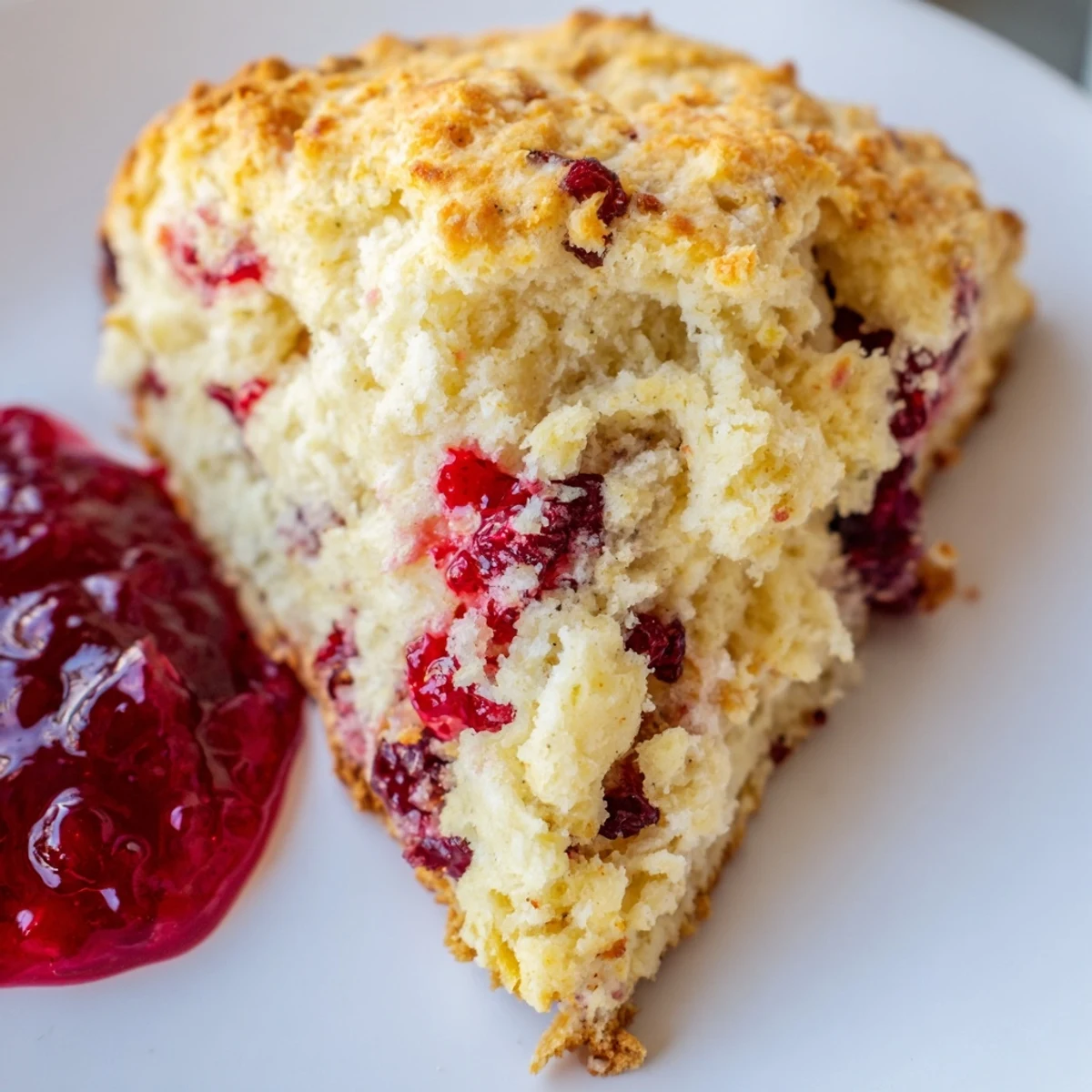
Save These golden scones are tender and lightly sweetened, packed with tart dried cranberries for bursts of flavor. Made with a blend of flour, butter, cream, and a hint of vanilla, the dough is gently mixed to keep it light and flaky. After shaping and brushing with cream, they are baked until golden, then served warm with your choice of jam. A delightful British-style baked good ideal for breakfast or afternoon tea.
There's something about the smell of scones baking that stops me mid-morning, makes me pause whatever I'm doing. My neighbor once brought over a batch—still warm, dotted with cranberries—and suddenly the entire afternoon shifted into something cozier. I realized then that good scones aren't fussy or complicated; they're just butter, cream, and the smallest amount of restraint not to overmix. Now I make them whenever I want that feeling back.
I once made these for a friend who'd been having a rough week, and watching her face light up at the kitchen counter—jam dripping slightly, steam rising—reminded me why baking matters. It wasn't about perfection; it was about showing up with something warm and made by hand.
Ingredients
- All-purpose flour (2 cups): The foundation that gives scones their crumb; measure by spooning and leveling, not scooping straight from the bag.
- Granulated sugar (1/4 cup): Just enough sweetness to let the other flavors breathe without overpowering.
- Baking powder (1 tablespoon): The lift that makes them tender and pillowy rather than dense.
- Salt (1/2 teaspoon): A whisper that makes everything taste more like itself.
- Cold unsalted butter (1/2 cup, cubed): The secret to flake lies in keeping it cold; this is non-negotiable.
- Heavy cream (2/3 cup, plus extra for brushing): Richer than milk, it gives the dough a luxurious texture and a golden top when brushed on.
- Egg (1 large): Binds the dough and enriches the crumb.
- Vanilla extract (1 teaspoon): A subtle warmth that enhances without announcing itself.
- Dried cranberries (3/4 cup): Tart pockets of flavor that keep each bite interesting; soak them briefly in warm water if they're very hard.
- Jam of choice: Strawberry, raspberry, or orange marmalade—whatever you reach for on Sunday morning.
Instructions
- Heat your oven and prepare:
- Set the oven to 400°F and line a baking sheet with parchment paper. A hot oven is what transforms scones from dough into something golden and set.
- Mix the dry ingredients:
- Whisk flour, sugar, baking powder, and salt in a large bowl until evenly combined. This distributes the baking powder so every bite rises equally.
- Work in the butter:
- Add cold, cubed butter to the dry mixture. Using a pastry cutter, fork, or your fingertips, rub it in until the texture resembles coarse crumbs with some pea-sized pieces still visible. Cold butter creates steam pockets that make scones rise and flake.
- Add the cranberries:
- Stir in the dried cranberries gently, distributing them evenly through the dough.
- Combine the wet ingredients:
- In a separate bowl, whisk together the heavy cream, egg, and vanilla extract until smooth.
- Bring it together:
- Pour the wet mixture into the dry ingredients and stir gently with a fork until just combined. Stop as soon as you don't see dry flour; overmixing develops gluten and makes scones tough instead of tender.
- Shape the dough:
- Turn the dough onto a lightly floured surface and pat it into a 7-inch circle about 1 inch thick. Handle it as little as possible—your warmth is butter's enemy here.
- Cut into wedges:
- Using a sharp knife, cut the circle into 8 wedges like a pie. Place each wedge on the prepared baking sheet, leaving a little space between them.
- Brush with cream:
- Lightly brush the top of each scone with extra heavy cream. This is what gives them that glossy, golden finish you see in bakeries.
- Bake until golden:
- Bake for 16 to 18 minutes, until the tops are golden and a toothpick inserted into the center comes out clean. Don't overbake or they'll dry out.
- Cool and serve:
- Let them cool on the baking sheet for a few minutes—they're delicate when hot—then serve warm with jam.
 Save
Save I learned the importance of restraint the hard way, when I kept stirring the dough thinking it needed more mixing. The result was compact and tough—a scone that felt like a biscuit. The next batch, when I stopped myself and let imperfection stand, came out tender enough to pull apart with just your fingers.
The Cranberry-Jam Pairing
The tartness of dried cranberries in the scone means you don't need a bold jam to shine. A delicate strawberry jam, tart raspberry, or even bitter orange marmalade all work beautifully because the flavors are already conversing. Don't feel locked into tradition; I once served these with a homemade blackcurrant preserve and it was revelatory.
Variations and Flexibility
These scones are a template waiting for your hand. Orange zest finely grated into the dough adds brightness; fresh or frozen cranberries (keep them frozen, don't thaw) work just as well as dried. Even the jam is open to interpretation—sometimes I use Nutella, sometimes lemon curd, sometimes nothing but clotted cream.
Storage and Make-Ahead Tips
Scones are best within hours of baking, but they keep well in an airtight container for two days. Reheat them gently in a 300°F oven for a few minutes to restore some of that just-baked tenderness. I've also frozen unbaked scones on a tray, then baked them straight from frozen, adding just a minute or two to the baking time.
- Store in an airtight container at room temperature; moisture is the enemy of crispness.
- Freeze unbaked scones for up to a month and bake directly from frozen without thawing.
- Warm leftovers in a low oven rather than the microwave, which makes them dense.
 Save
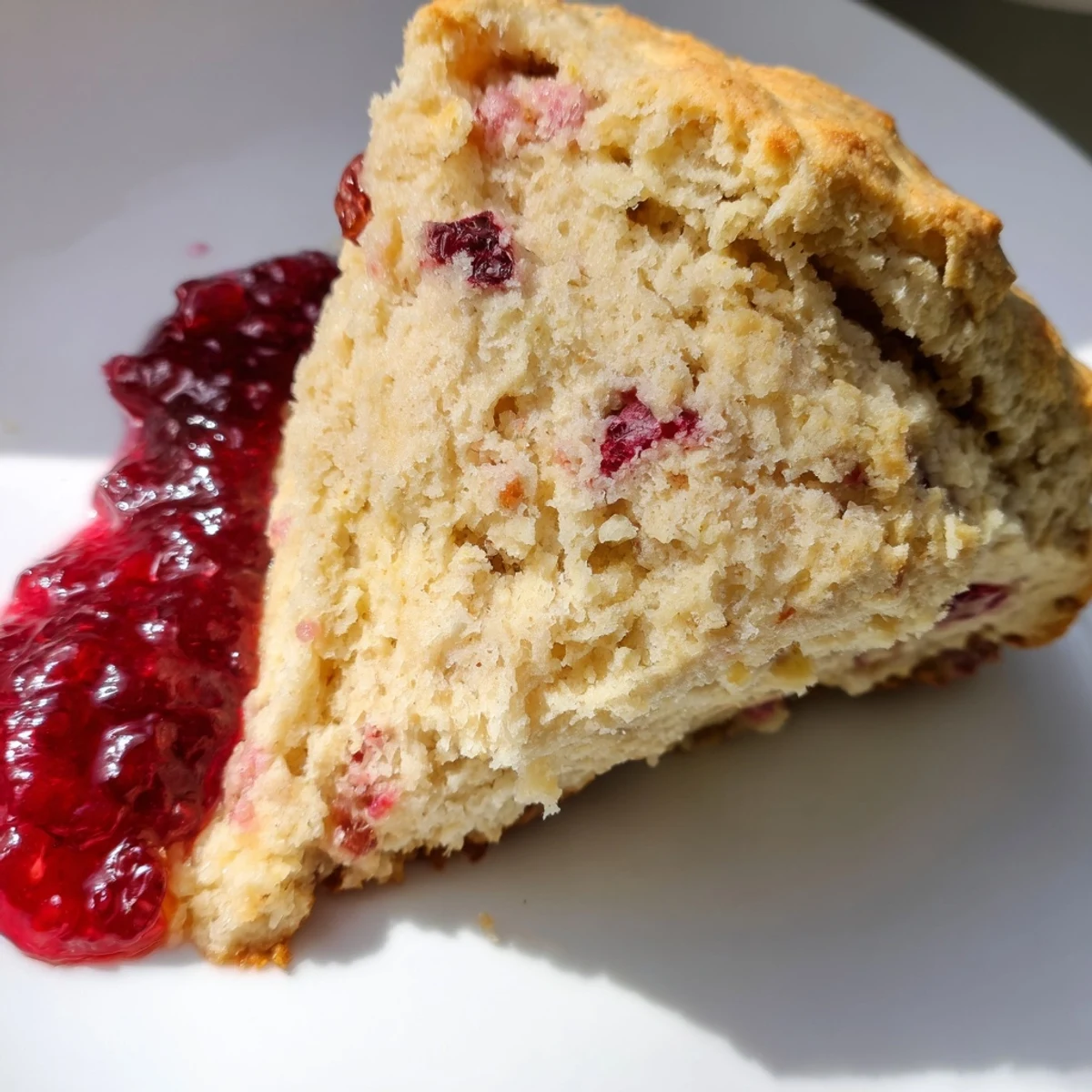
Save These scones have a way of turning a Tuesday afternoon into something worth remembering. Serve them warm, with jam and butter, and watch what happens.
Recipe FAQs
- → What type of cranberries works best?
-
Dried cranberries offer a chewy texture and tart flavor that balances the scone's richness.
- → Can I substitute the heavy cream?
-
Whole milk works as a lighter alternative but may affect tenderness and browning.
- → How do I ensure scones are flaky?
-
Keep butter cold and mix gently to create coarse crumbs, avoiding overmixing the dough.
- → Is it necessary to brush with cream before baking?
-
Brushing with cream helps achieve a golden, glossy crust on the scones.
- → How should scones be stored after baking?
-
Store in an airtight container at room temperature for up to two days to maintain freshness.