
 Save
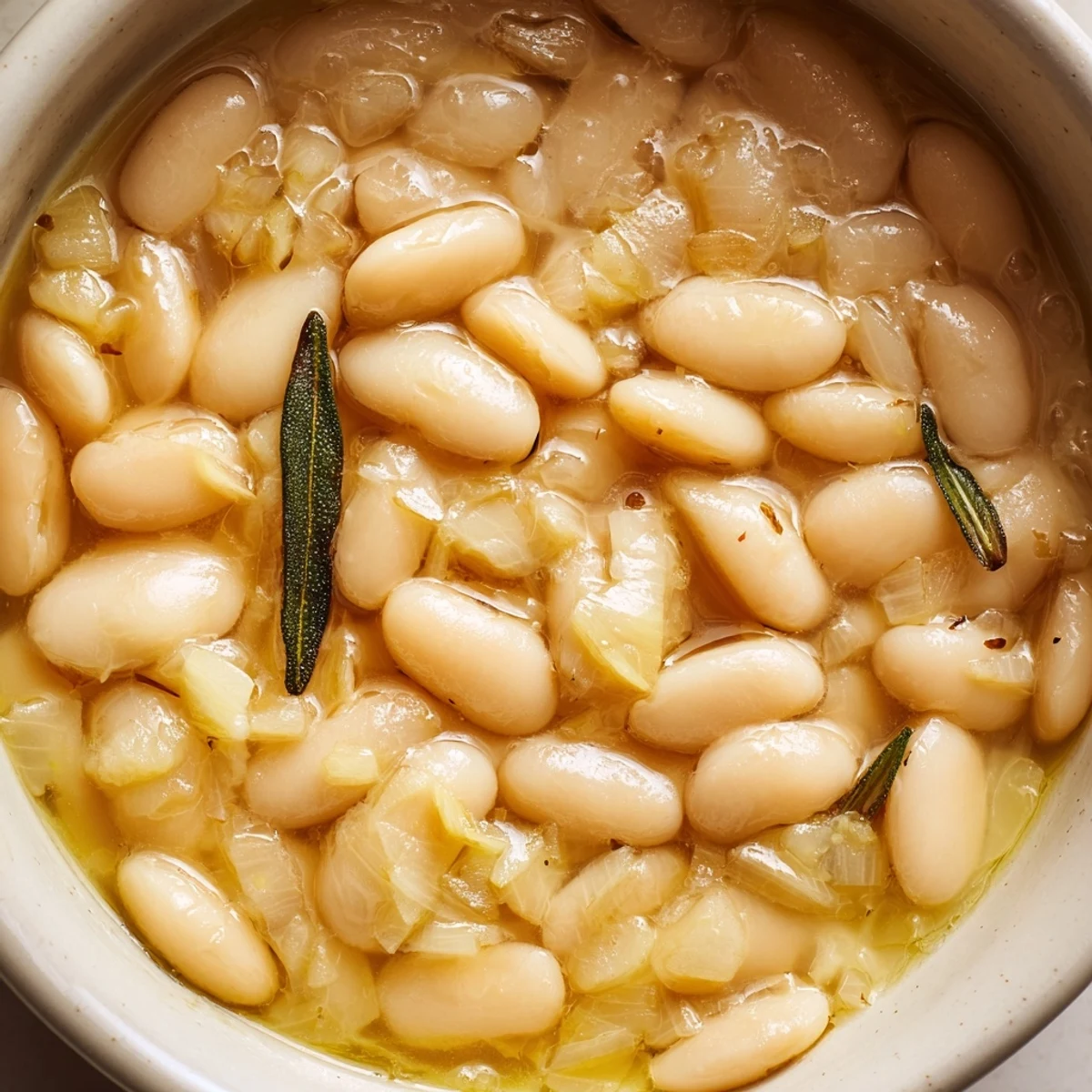
Save These Tuscan white beans deliver authentic Italian comfort food with minimal effort. Cannellini beans simmer slowly in olive oil with aromatic onions, garlic, rosemary, and sage, creating a rich, creamy texture that's naturally satisfying.
The beauty of this dish lies in its simplicity—quality ingredients transform basic beans into something extraordinary. Perfect alongside roasted meats, spread on crusty bread, or served over sautéed greens, these versatile beans adapt to any meal.
Ready in under an hour, this vegetarian and gluten-free side improves with time, making it ideal for meal prep. The flavors deepen overnight, and leftovers transform beautifully into soup bases.
The smell of rosemary hitting warm olive oil still takes me back to a tiny kitchen in Florence where I watched a nonna stir beans on a gas stove, her wooden spoon moving in the same lazy circle she'd probably used for decades. Something about that simple combination of aromatics bubbling away felt like a secret ingredient nobody was writing down. When I recreated it at home, my roommate stuck his head in the door and said, 'It actually smells like Italy in here.'
I once made these beans for a dinner party where everything else went wrong. The main dish overcooked, the salad wilted in the heat, but these creamy white beans saved the evening. Everyone kept asking for seconds, and someone actually dipped their bread in the bowl to get the last drops.
Ingredients
- 2 cups dried cannellini beans: Dried beans give you that velvety texture you just cant get from cans, though canned works in a pinch
- 6 cups water: For soaking and cooking the dried beans until theyre tender
- 2 tablespoons extra-virgin olive oil: Dont skimp here. This is the foundation of the dish
- 1 small yellow onion: Finely chopped so it almost dissolves into the beans
- 3 garlic cloves: Minced fresh. Theres no substitute for that sharp, aromatic bite
- 2 sprigs fresh rosemary: Woodsy and fragrant. Dried rosemary can be tough and bitter
- 4 fresh sage leaves: Earthy and slightly peppery, the perfect partner to rosemary
- 2 cups vegetable or chicken broth: Adds depth and body to the cooking liquid
- 1 teaspoon kosher salt: Adjust to your taste. The beans need enough salt to really shine
- 1/2 teaspoon freshly ground black pepper: Grind it right before you add it
- Pinch of red pepper flakes: Optional, but I love the subtle heat it brings
Instructions
- Soak the beans overnight:
- Cover dried beans with plenty of cold water and let them soak. In the morning, drain and rinse them well.
- Sauté the aromatics:
- Heat olive oil in a heavy pot over medium heat. Add the chopped onion and cook until translucent, about 4 minutes.
- Add the herbs and garlic:
- Stir in the minced garlic, rosemary sprigs, and sage leaves. Let everything cook for just a minute until fragrant.
- Simmer the beans:
- Add beans, broth, and 6 cups fresh water if using dried beans. Bring to a gentle boil, then reduce to a simmer.
- Cook until creamy:
- Let the beans cook uncovered, stirring now and then. Dried beans take about 30 to 40 minutes. Canned beans need only 15 to 20 minutes.
- Season and serve:
- Pull out the rosemary and sage. Season with salt, pepper, and red pepper flakes. Drizzle with more olive oil before serving.
 Save
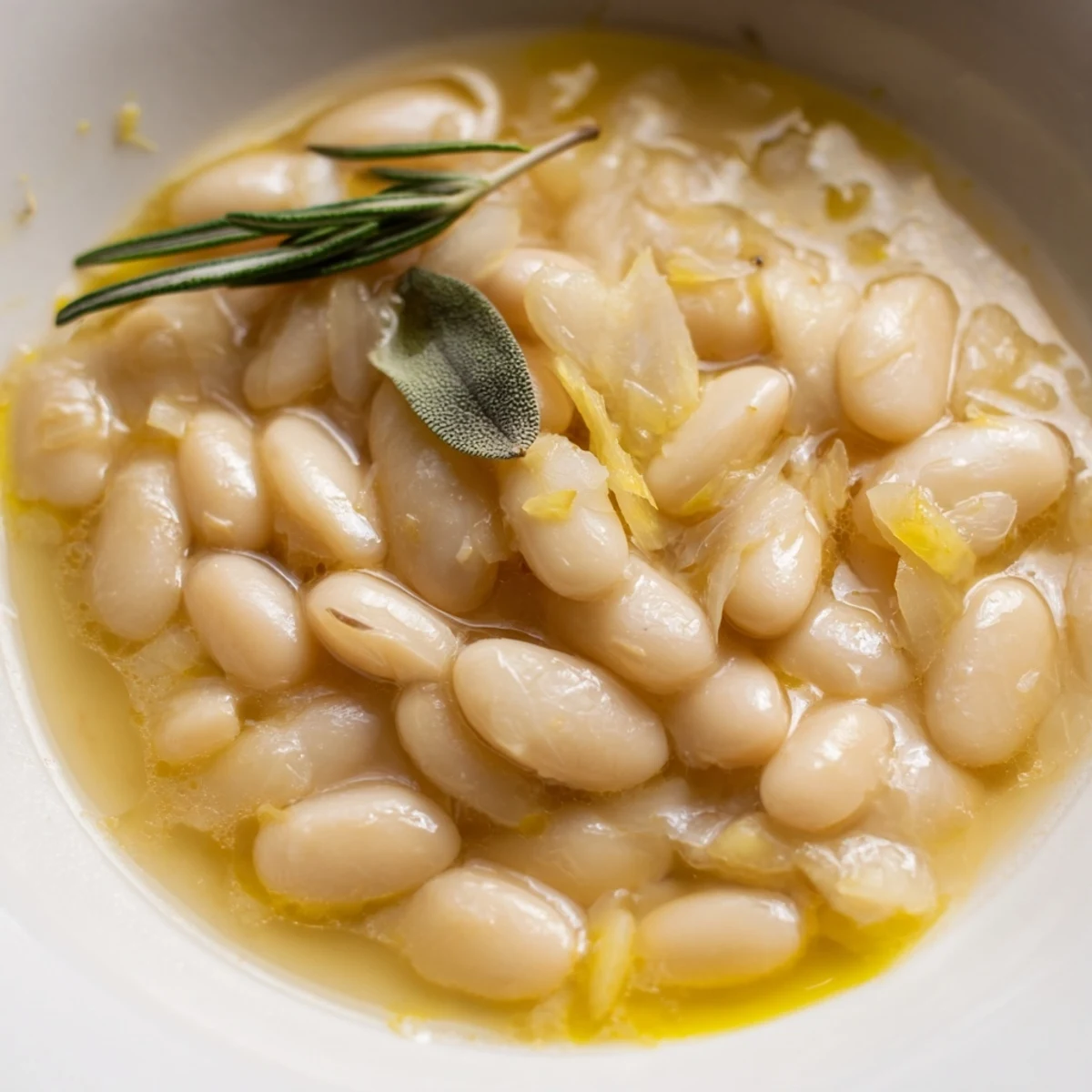
Save These beans became my go-to comfort food during a long winter when money was tight and I needed something nourishing but affordable. Now theyre a staple whenever I want to feel taken care of.
Serving Suggestions
I love serving these beans on thick slices of toasted bread rubbed with garlic. They also work beautifully piled over sautéed kale or spinach for a simple but satisfying meal.
Make Ahead Strategy
The beans actually improve after a day in the refrigerator. Make them the night before and reheat gently with a splash of water or broth to loosen them up.
Storage and Reheating
Store cooled beans in an airtight container for up to five days. They freeze well too, so I often double the recipe and stash half in the freezer for those nights when cooking feels impossible.
- Reheat slowly over low heat, adding a little liquid if they seem thick
- Stir in a fresh drizzle of olive oil right before serving
- Mash some of the beans against the side of the pot for extra creaminess
 Save
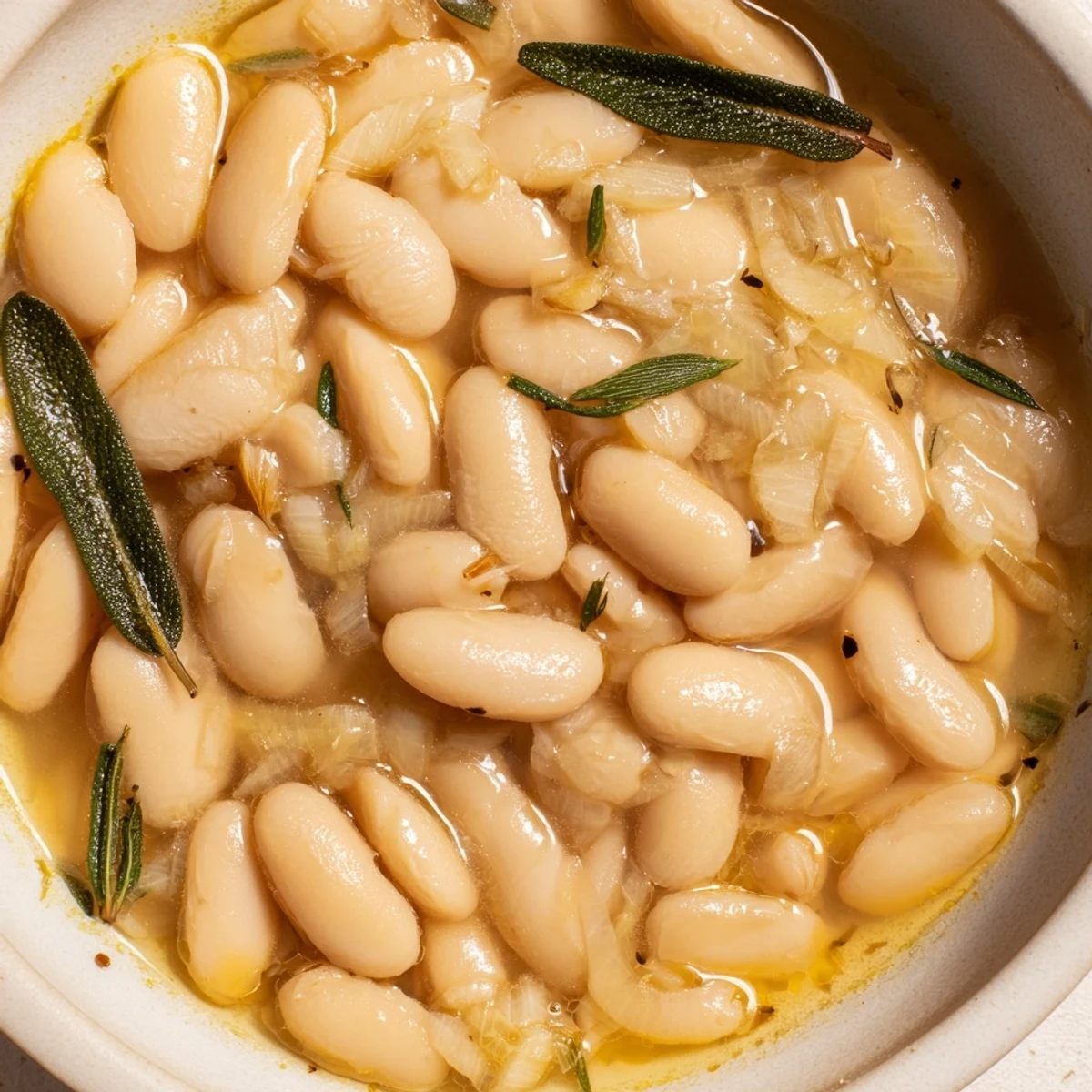
Save Theres something deeply satisfying about a dish that transforms simple ingredients into something this comforting. These beans remind me that good cooking doesnt have to be complicated.
Recipe FAQs
- → Should I use dried or canned beans?
-
Dried cannellini beans offer superior texture and creaminess, but canned beans work perfectly well. If using canned, reduce cooking time to 15–20 minutes since they're already tender. Dried beans require overnight soaking and about 30–40 minutes of simmering.
- → Can I make these in a slow cooker?
-
Absolutely. Sauté the aromatics first, then transfer everything to your slow cooker. Cook on low for 6–7 hours or high for 3–4 hours until beans reach desired creaminess. Add salt near the end of cooking time.
- → How do I store and reheat leftovers?
-
Store cooled beans in an airtight container in the refrigerator for up to 5 days, or freeze for 3 months. Reheat gently on the stovetop, adding a splash of broth or water if they seem thick—the beans continue absorbing liquid as they sit.
- → What can I serve with Tuscan white beans?
-
These beans pair beautifully with grilled chicken, roasted pork, or fish. They're classic alongside Tuscan steak or spread on crostini as an appetizer. For a light meal, serve over sautéed kale or spinach with crusty bread.
- → How do I get the creamiest texture?
-
Mash a small portion of beans against the pot's side while stirring—this releases natural starches that thicken the cooking liquid. Simmering gently rather than boiling also preserves texture. Adding a Parmesan rind during cooking infuses subtle richness.
- → Are there variations to this classic preparation?
-
Add diced pancetta or prosciutto for depth, or incorporate diced tomatoes for a brighter version. Substitute fresh thyme for part of the rosemary, or finish with a splash of balsamic vinegar and fresh parsley for contrast.