
 Save
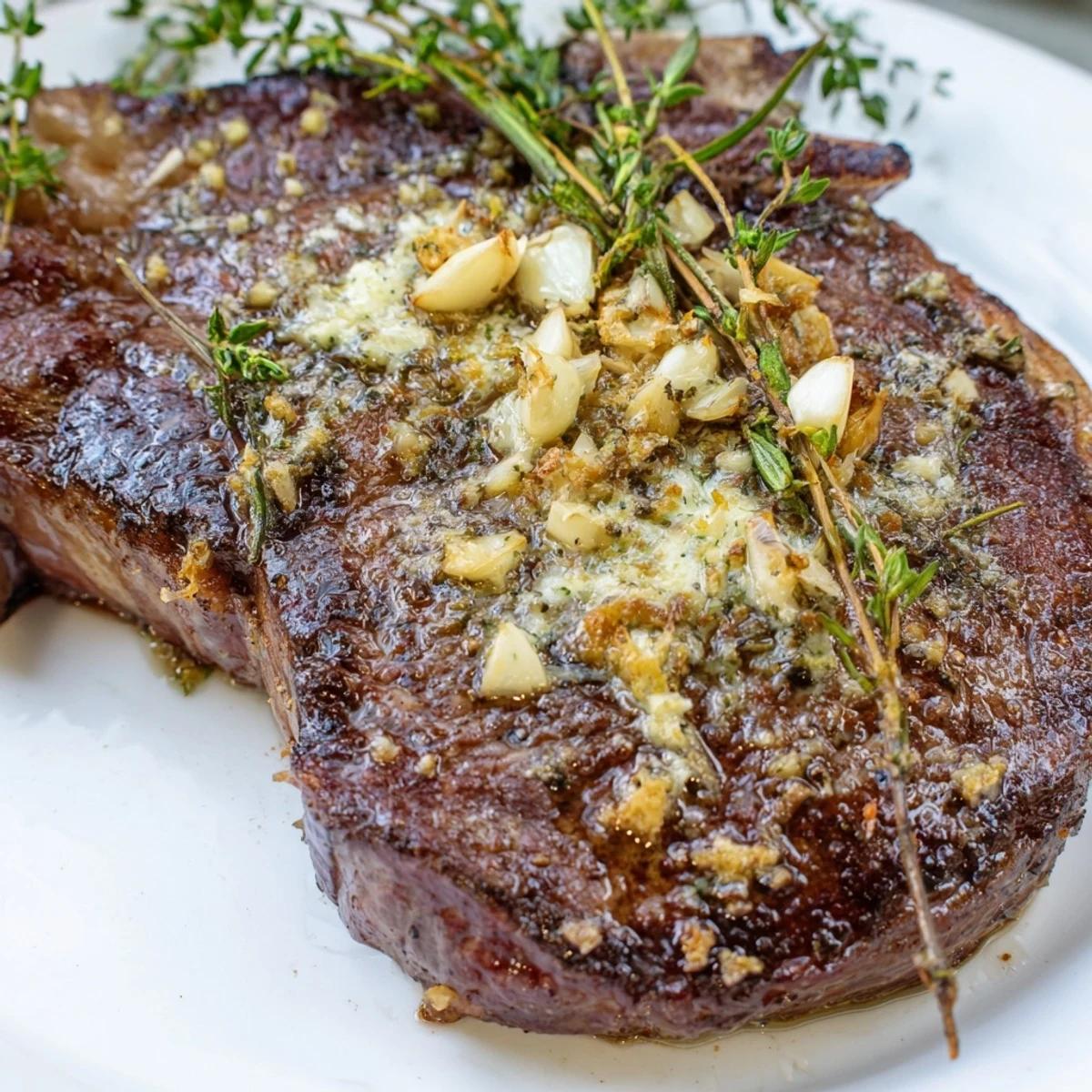
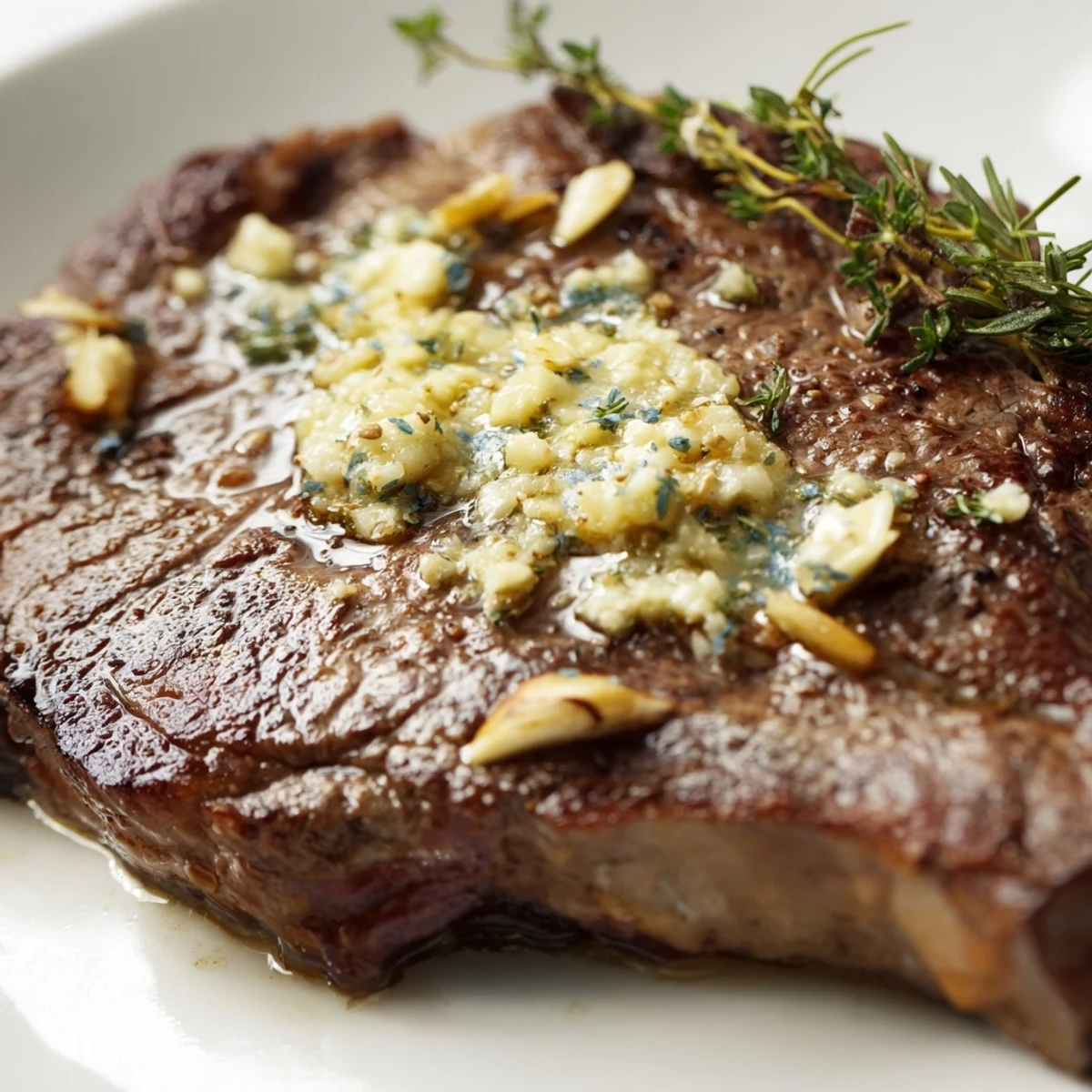
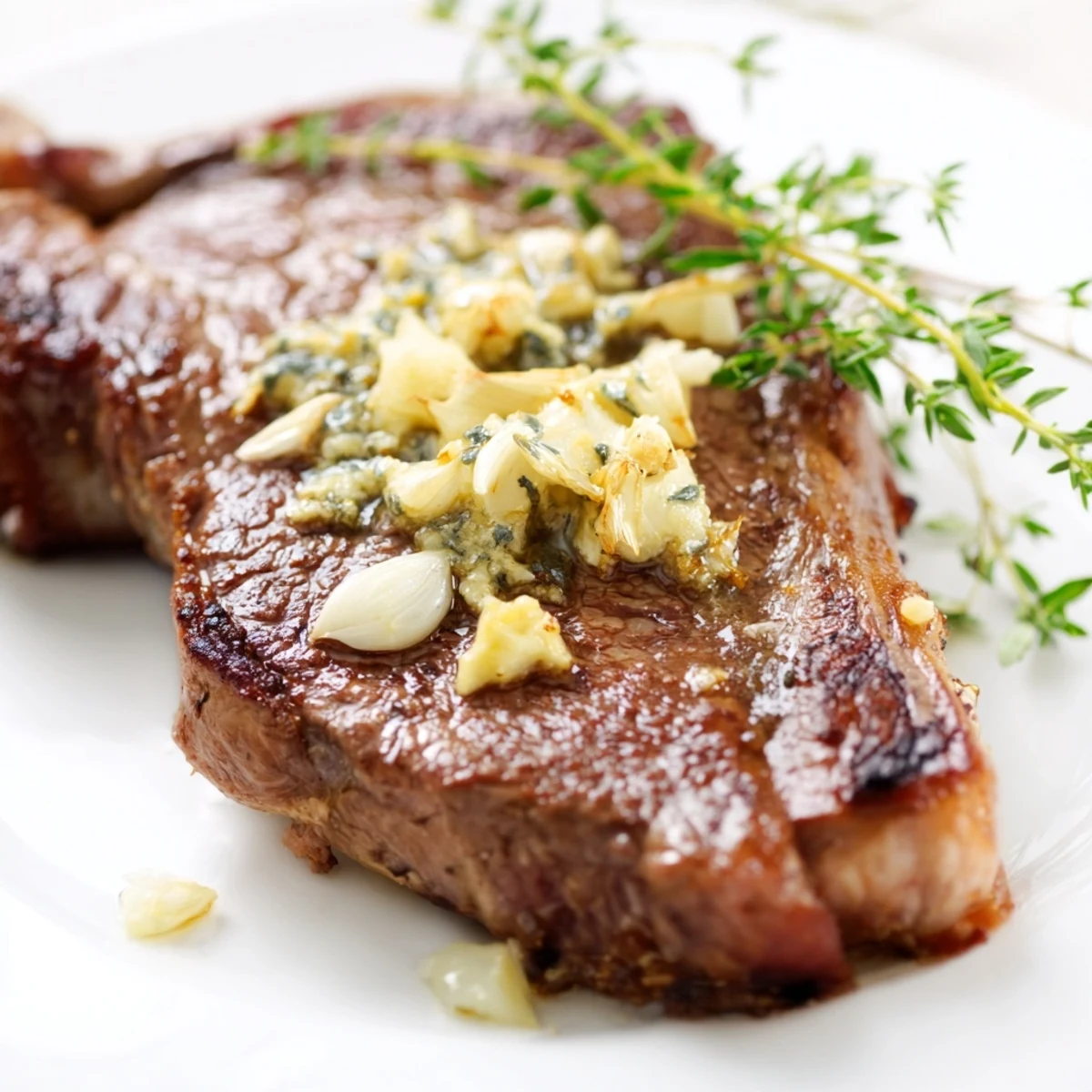
Save This ribeye delivers restaurant-quality results with a perfectly caramelized crust and juicy, tender interior. The cast iron method creates an exceptional sear while the garlic butter infusion adds rich, aromatic depth.
Key technique: basting continuously with the melting butter mixture ensures every bite absorbs those classic herb flavors. The resting period is crucial for maintaining juiciness, while slicing against the grain guarantees tenderness.
Ready in just 20 minutes, this ribeye is impressive enough for entertaining yet simple enough for weeknight dinners. The thick cut steak stands up beautifully to high-heat cooking, developing that sought-after crust while staying perfectly pink inside.
My husband and I discovered cast iron steak during our first anniversary dinner at home. Wed tried making steak in regular pans for years, always disappointed by the lack of that restaurant quality sear. That night, watching the butter bubble and brown with garlic and herbs, I finally understood what all the fuss was about. Now its our go to for special moments when we want something extraordinary but surprisingly simple.
Last winter my brother came over skeptical that home cooked steak could rival his favorite steakhouse. I watched his eyebrows shoot up when he took that first bite, the garlic butter still glistening on the surface. He texted me the next day asking for the recipe, claiming his wife couldnt stop talking about it either.
Ingredients
- Ribeye Steaks: The generous marbling in ribeye creates natural tenderness and keeps the meat juicy during high heat cooking
- Kosher Salt: Larger crystals adhere better to the meat surface and create that perfect seasoned crust
- Unsalted Butter: Lets you control the seasoning exactly while still getting that rich browning flavor
- Fresh Garlic: Crushing the cloves releases their oils, infusing the butter more deeply than minced garlic would
- Fresh Thyme and Rosemary: These woody herbs hold up beautifully to high heat and add aromatic complexity
- Olive Oil: Higher smoke point than butter alone, preventing burning while still contributing flavor
Instructions
- Bring Steaks to Room Temperature:
- Pull the steaks from the fridge 30 minutes before cooking and pat them completely dry with paper towels, because dry surfaces sear better than wet ones
- Season Generously:
- Sprinkle salt and pepper over both sides, pressing gently to help the seasoning adhere
- Heat the Skillet:
- Set your cast iron over high heat for 3 to 5 minutes until its seriously hot, almost smoking
- Sear the First Side:
- Add olive oil, place steaks in the pan, and dont touch them for 2 to 3 minutes while a deep golden crust forms
- Flip and Add Butter:
- Turn the steaks over and toss in butter, garlic, thyme, and rosemary
- Baste Continuously:
- Tilt the pan and spoon that melting garlic butter over the steaks for 2 to 3 minutes, until they reach 125°F for medium rare
- Rest Before Serving:
- Move steaks to a plate, cover loosely with foil, and let them rest 5 minutes so the juices redistribute
- Finish and Serve:
- Slice against the grain and spoon any remaining garlic butter from the pan over the top
 Save
Save This recipe became my comfort after a particularly rough week at work. Standing at the stove, listening to the sizzle and breathing in that garlic butter, felt like meditation. Something about the ritual of it transformed a random Tuesday into a tiny celebration.
Choosing the Right Steak
Look for ribeyes with generous white marbling throughout the meat, not just around the edges. That internal fat melts during cooking, keeping the steak juicy and adding tremendous flavor. Thickness matters too, aim for at least one inch to prevent overcooking before you develop a proper crust.
Perfecting the Sear
Patience is the secret ingredient here. Once the steak hits the pan, resist every urge to move it around. That undisturbed contact with the hot surface creates the Maillard reaction, which gives you that restaurant quality crust. If the steak sticks, let it cook another 30 seconds, it will release naturally when properly seared.
Temperature Guide
Everyone has their preference, and a thermometer takes all the mystery out of achieving yours consistently. Medium rare hits the sweet spot for most ribeye lovers, offering that perfect balance of tenderness and beefy flavor. Keep in mind the temperature rises about 5 degrees during resting, so pull early rather than late.
- 120 to 125°F for rare
- 130 to 135°F for medium rare
- 140 to 145°F for medium
 Save
Save Theres something deeply satisfying about making steakhouse quality food in your own kitchen. Once you master this technique, youll find yourself wondering why you ever paid restaurant prices.
Recipe FAQs
- → Why let steaks reach room temperature before cooking?
-
Room temperature steaks cook more evenly, allowing the heat to penetrate properly without overcooking the exterior before the interior reaches the desired doneness.
- → How do I know when the steak is done?
-
Use a meat thermometer for accuracy. Medium-rare reaches 125°F/52°C. The touch test also works—press the center; it should feel like the fleshy part of your palm below your thumb.
- → Can I use dried herbs instead of fresh?
-
Fresh thyme and rosemary provide superior flavor, but dried herbs work in a pinch. Use one-third the amount of dried herbs compared to fresh.
- → Why rest the steak after cooking?
-
Resting allows juices to redistribute throughout the meat. Cutting immediately causes juices to escape, leaving the steak dry. Five minutes yields optimal results.
- → What's the purpose of basting with butter?
-
Basting infuses the steak with garlic and herb flavors while adding richness. The continuous spooning helps cook the top surface evenly and creates a beautiful, glossy finish.
- → Can I finish this in the oven?
-
Absolutely. After searing both sides, transfer the skillet to a 400°F oven for 5–8 minutes to reach your desired doneness without excessive darkening.