
 Save
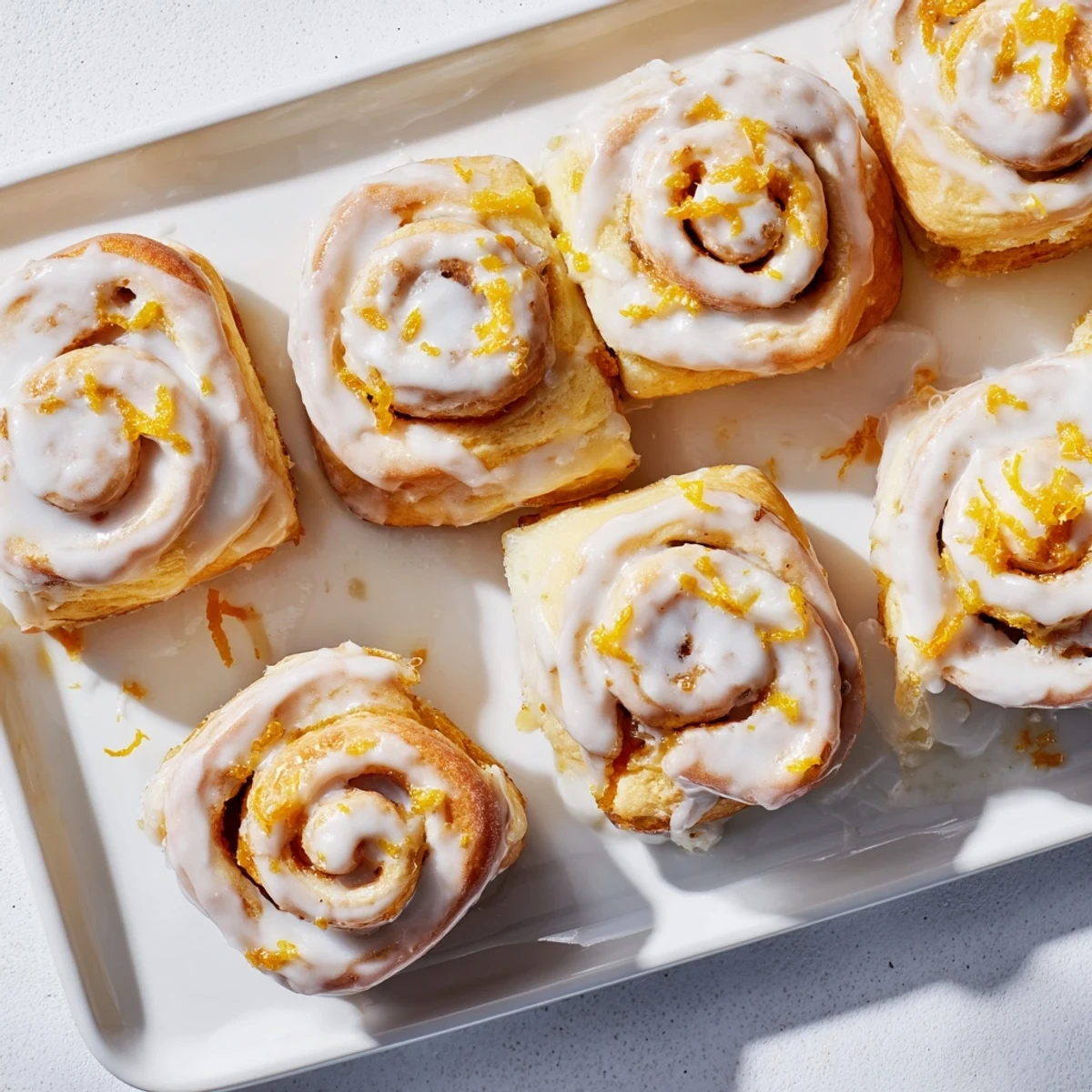
Save These homemade orange rolls feature a soft, pillowy dough swirled with a sweet orange-butter filling and finished with a tangy citrus glaze. The dough requires two rising periods, creating an exceptionally light and tender texture. Fresh orange zest and juice infuse every layer with bright citrus flavor, making these rolls ideal for weekend breakfasts, holiday mornings, or special brunch occasions.
The first time I made these orange rolls, my kitchen smelled like a sunny California morning in the middle of winter. I'd been craving something bright and cheerful to break through the gray February days, and the scent of oranges warming in buttery dough felt like pure magic. My roommate wandered in, sleep-rumpled and drawn by the fragrance, asking if I'd somehow transported us to a bakery. We ate them standing up at the counter, still warm from the oven, with orange glaze dripping down our chins.
I made these for my sister's baby shower last spring, and I'm pretty sure people talked more about the rolls than the actual mother-to-be. My friend Sarah, who claims she doesn't even like sweets, went back for thirds and kept hovering near the kitchen island. By the time I went to package some up for guests to take home, the pan was empty. Now every time she visits, she gives me that hopeful look that asks if orange rolls might be making an appearance.
Ingredients
- All-purpose flour: This creates the softest, most tender crumb. I've tried bread flour and it makes them too chewy.
- Active dry yeast: Make sure it's fresh and bubbly when you proof it. Old yeast is the number one reason rolls don't rise properly.
- Whole milk: The fat content here is crucial for tenderness. Skim milk just doesn't give you the same luxurious texture.
- Unsalted butter: Since you're using quite a bit, unsalted lets you control the salt level. Soften it properly for the filling—room temperature spreads so much more evenly.
- Fresh oranges: Don't even think about bottled orange juice here. You need that fresh zest for the essential oils that make the flavor pop.
- Powdered sugar: Sift it first or your glaze will have stubborn lumps. I learned this the messy way.
Instructions
- Make the dough:
- Combine your dry ingredients in one bowl, whisk the warm liquids in another, then bring them together until a soft dough forms. The dough should feel tacky but not sticky—if it's clinging to your fingers too much, add another tablespoon of flour.
- Knead until smooth:
- Work the dough for about 8 minutes by hand or 6 minutes in your stand mixer until it's smooth, elastic, and springs back when you poke it. This is when the gluten develops and gives you that gorgeous fluffy texture.
- Let it rise:
- Place your dough in a greased bowl, cover it with a warm towel, and find the coziest spot in your kitchen. I like to put mine in the oven with just the light on. Let it double in size, which takes about an hour depending on your kitchen's warmth.
- Prepare the orange filling:
- While the dough rises, beat together softened butter, sugar, orange zest, and fresh juice until it's creamy and fragrant. The mixture should be spreadable like soft butter—pop it in the fridge for a few minutes if it gets too soft while you wait.
- Roll and fill:
- Roll your risen dough into a 16x10-inch rectangle on a floured surface. Spread the orange filling all the way to the edges, then roll it up tightly from the long side, pinching the seam to seal it shut.
- Cut and arrange:
- Use a sharp knife or unflavored dental floss to cut the log into 12 equal rolls. Place them in your greased baking dish, spacing them evenly so they have room to expand.
- Second rise:
- Cover the pan and let the rolls proof for 30 to 40 minutes until they're puffy and touching each other. They should look like they're breathing, gently rising when you press them with your finger.
- Bake to golden:
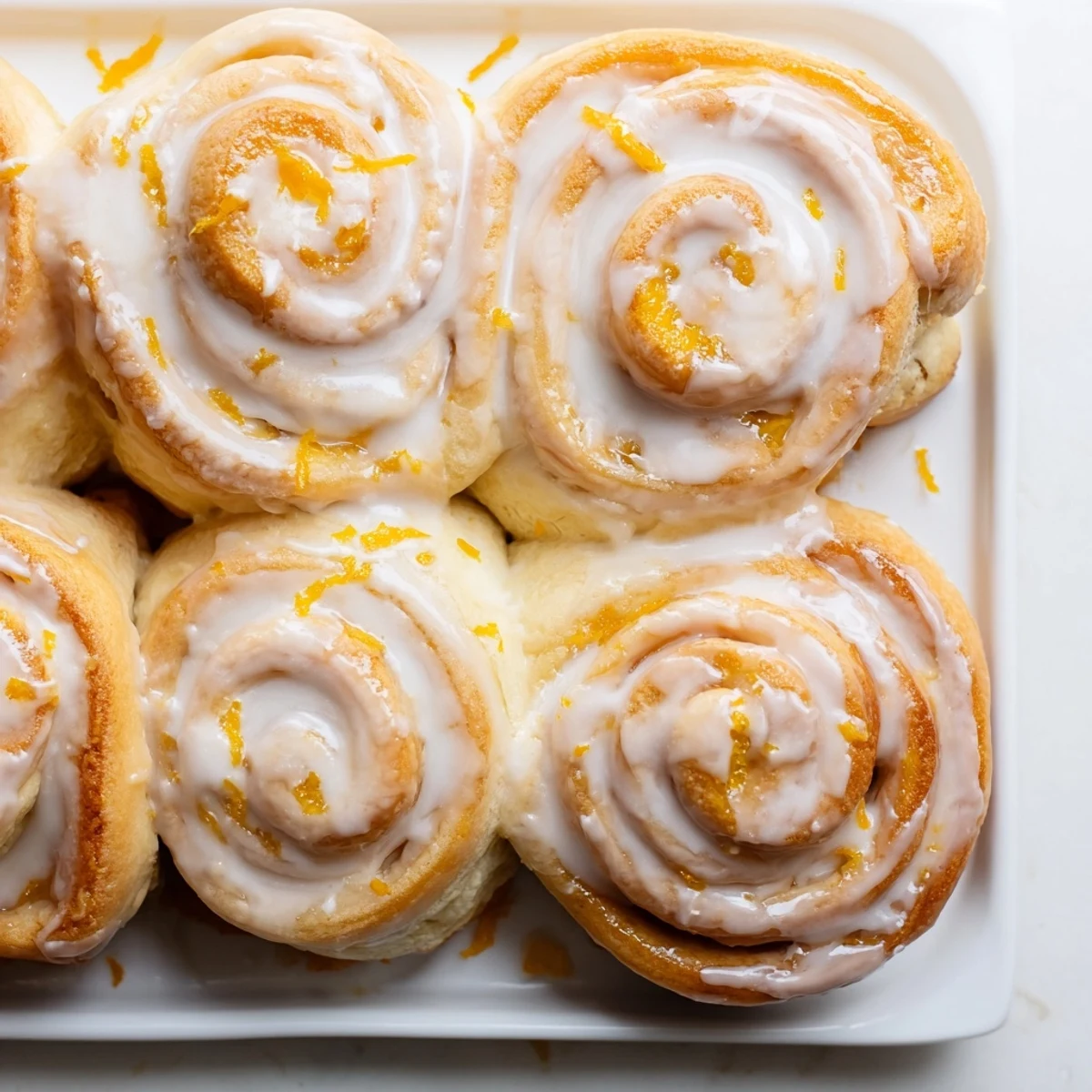
- Bake at 350°F for 22 to 25 minutes until the tops are golden brown and you can see them pulling away slightly from the pan edges. The filling will be bubbling around the edges when they're done.
- Glaze and serve:
- Whisk powdered sugar, fresh orange juice, and zest until smooth. Let the rolls cool for just 10 minutes, then drizzle the glaze over them while they're still warm so it melts into every crevice.
 Save
Save Last Christmas morning, I made these for my family's annual brunch. My dad, who's usually a cereal-for-breakfast kind of guy, took one bite and announced that he needed the recipe immediately. Now he texts me every time he tries a new citrus variation, as if we're running some sort of orange roll research lab together.
Make Ahead Magic
You can assemble these rolls the night before and refrigerate them before the second rise. Let them come to room temperature for about 30 minutes while your oven preheats, then bake as directed. The slow overnight chilling actually develops more flavor.
Fridge to Freezer
Fully baked rolls freeze beautifully for up to a month. Wrap them tightly in plastic and foil, then thaw at room temperature and warm them for a few minutes in a 300°F oven. They taste almost as good as fresh.
Serving Suggestions
These rolls are perfect on their own, but I love serving them with a pot of Earl Grey tea—the bergamot notes echo the orange flavor beautifully. If you're hosting brunch, they pair wonderfully with a simple fruit salad to cut through the richness.
- Add a sprinkle of sea salt to the glaze for a salted orange variation
- Mix some toasted pecans into the filling for crunch
- Try blood oranges in winter for a stunning ruby color
 Save
Save There's something about pulling warm, sticky orange rolls apart that makes any morning feel like a celebration. I hope these bring a little sunshine to your kitchen too.
Recipe FAQs
- → Can I prepare these orange rolls ahead of time?
-
Yes, you can prepare the rolls the night before. After cutting and placing them in the baking dish, cover and refrigerate overnight. Let them come to room temperature for 30-40 minutes before baking.
- → How do I store leftover orange rolls?
-
Store cooled rolls in an airtight container at room temperature for up to 2 days. For longer storage, wrap individually and freeze for up to 1 month. Reheat gently in the microwave or oven.
- → Can I use bottled orange juice instead of fresh?
-
Fresh orange juice provides the best flavor, but bottled juice can be used in a pinch. However, fresh orange zest is essential for that bright citrus aroma, so don't skip it.
- → Why didn't my dough double in size during rising?
-
The dough may not rise properly if the milk was too hot (killing the yeast) or too cold (slowing activation). Ensure your milk is exactly 110°F, and find a warm, draft-free spot for rising.
- → What's the best way to cut rolls evenly?
-
Use unflavored dental floss or a sharp knife slid under the roll. For floss, slide it underneath, cross ends over the top, and pull tightly through the dough. This creates clean, even cuts without squishing.
- → Can I make these dairy-free?
-
Substitute whole milk with almond or oat milk, replace butter with vegan butter sticks, and use flax eggs instead of regular eggs. The texture may vary slightly but will still be delicious.