
 Save
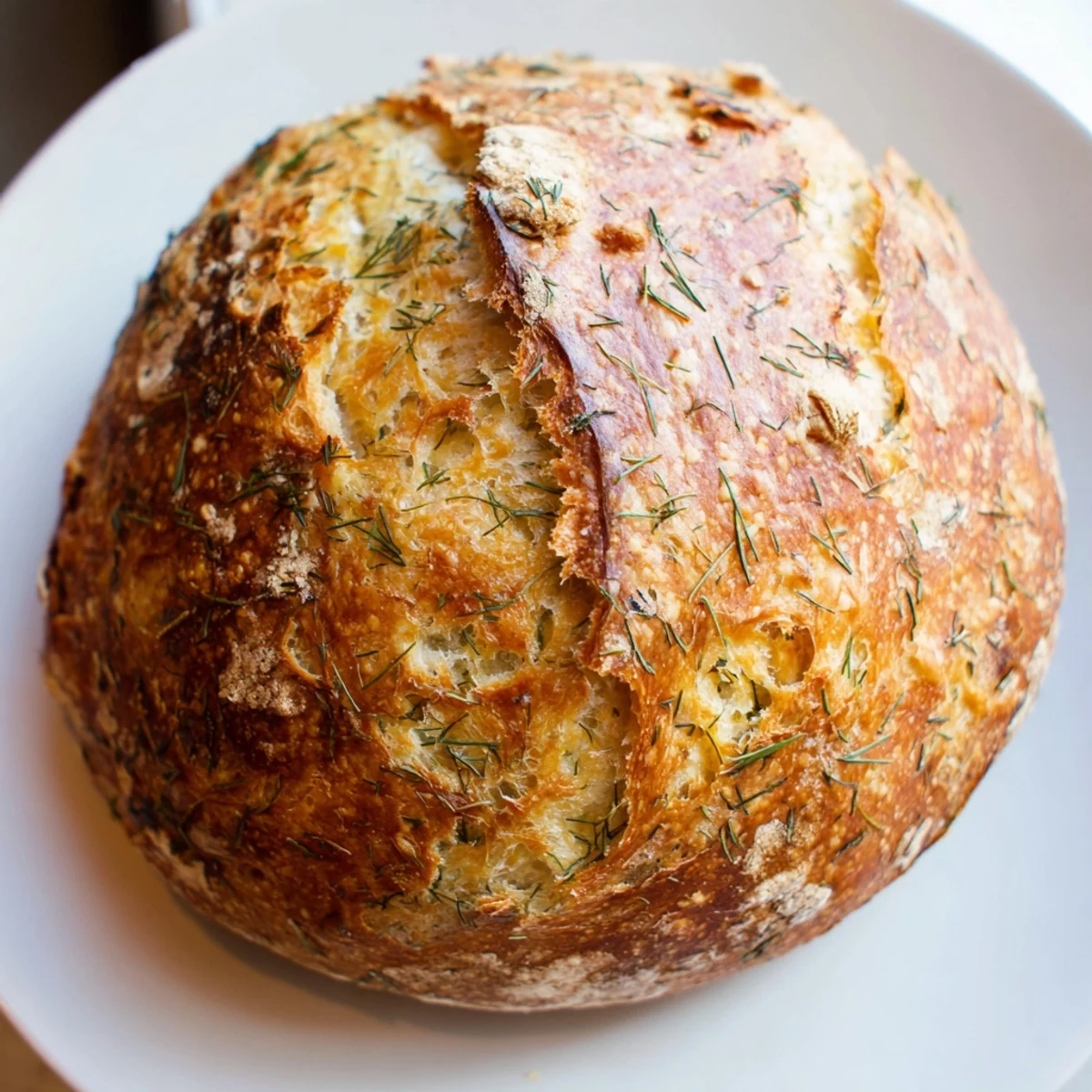
Save This crusty artisan loaf highlights aromatic fresh dill and creamy Gouda cheese, combined in a no-knead dough. The dough rests for 8–12 hours to develop flavor and rise naturally, making preparation effortless. Baking in a preheated Dutch oven ensures a golden brown, crisp crust. Perfect alongside soups, salads, or for sandwiches, this loaf brings rich European flavors with minimal hands-on work.
My apartment smelled like an herb garden the first time I made this bread. The dill hits you before you even see the loaf, and the way Gouda melts into those rustic bubbles creates these little cheese pockets that make every slice unpredictable. I started making this on Sunday evenings because theres something magical about waking up to a dough thats already done all the work itself.
I brought this loaf to a friends outdoor dinner last summer, and honestly, the bread disappeared before anything else. People kept asking what made it so fragrant, and watching their expressions when they hit a melted pocket of Gouda was better than any compliment. Someone actually asked if I could teach them how to make it, which felt ridiculous considering how hands off the whole process is.
Ingredients
- Bread flour: Higher protein content gives you that chewy interior and crisp crust we associate with bakery bread
- Salt: Dont skip or reduce this as it balances the rich cheese and bright dill
- Instant yeast: No proofing needed, just whisk it right into the dry ingredients
- Gouda cheese: Dice it into small cubes rather than grating so you get distinct melty pockets throughout
- Fresh dill: The feathery texture distributes better than dried, though dried works in a pinch
- Lukewarm water: Think bathwater temperature, hot enough to activate yeast but not cook it
Instructions
- Mix your base:
- Whisk the flour, salt, and yeast in a large bowl until they look completely uniform. Stir in your Gouda cubes and chopped dill until everything is evenly distributed.
- Bring it together:
- Pour in the lukewarm water and mix with a wooden spoon until you have a shaggy, sticky dough. It will look messy and unfinished, which is exactly right.
- Let time do the work:
- Cover the bowl tightly with plastic wrap or a lid. Walk away for 8 to 12 hours, letting the dough bubble up and double in size at room temperature.
- Shape gently:
- Scrape your dough onto a floured surface and fold the edges toward the center a few times. Shape into a round loaf without kneading, then place seam side down on parchment paper.
- Second rise:
- Loosely cover your dough with a towel and let it rest for 45 to 60 minutes while you preheat your oven.
- Get ready to bake:
- Place your Dutch oven with its lid inside the oven and preheat to 450°F for at least 30 minutes. The pot needs to be screaming hot.
- Bake covered:
- Carefully lift your dough with the parchment paper into the hot Dutch oven. Cover with the lid and bake for 30 minutes to create steam.
- Finish with color:
- Remove the lid and bake another 15 minutes until the crust is deeply golden and sounds hollow when tapped. Cool completely on a wire rack before slicing.
 Save
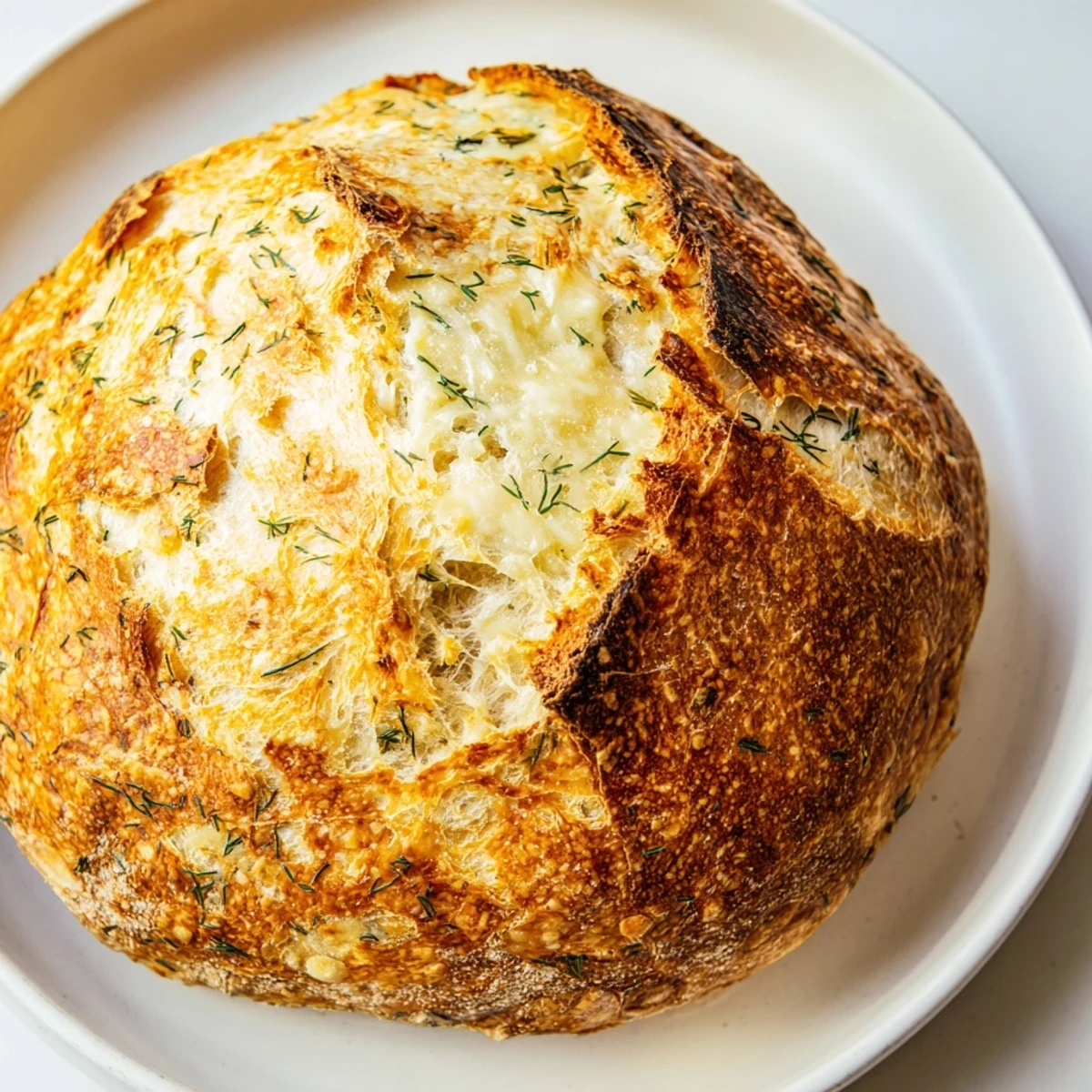
Save This bread has become my go to when I need to bring something comforting to gatherings. Theres something about tearing into a warm, crusty loaf together that instantly makes people feel at home. The last time I made it, my partner stood over the counter picking at the crispy exterior pieces until I had to shoo him away.
Cheese Variations Worth Trying
Gouda brings this wonderful nutty sweetness, but I have discovered that aged Gruye8re creates these incredible caramelized pockets where the cheese hits the crust. Smoked gouda transforms the whole loaf into something that feels like it came from a wood fired oven, and sharp cheddar makes everything feel more like an elevated comfort food. The dill works surprisingly well with all of them, though I have experimented with rosemary when using more assertive cheeses.
Making This Your Own
Sometimes I add roasted garlic cloves to the dough if I am feeling extra indulgent, pressing them in gently after the first rise so they do not get too dark. A tablespoon of honey in the water creates this subtle sweetness that balances the salty cheese beautifully. I have even added cracked black pepper and lemon zest when I wanted something brighter.
Serving Ideas
This bread makes the most incredible grilled cheese sandwiches, especially with tomato soup on a rainy day. I love it toasted and topped with avocado and a poached egg for breakfast. Sometimes I just slice it thick, slather it with salted butter, and call it dinner.
- Try it alongside a hearty vegetable soup for a complete meal
- Use day old slices to make the best croutons you have ever tasted
- Wrap cooled loaves well and freeze for up to three months
 Save
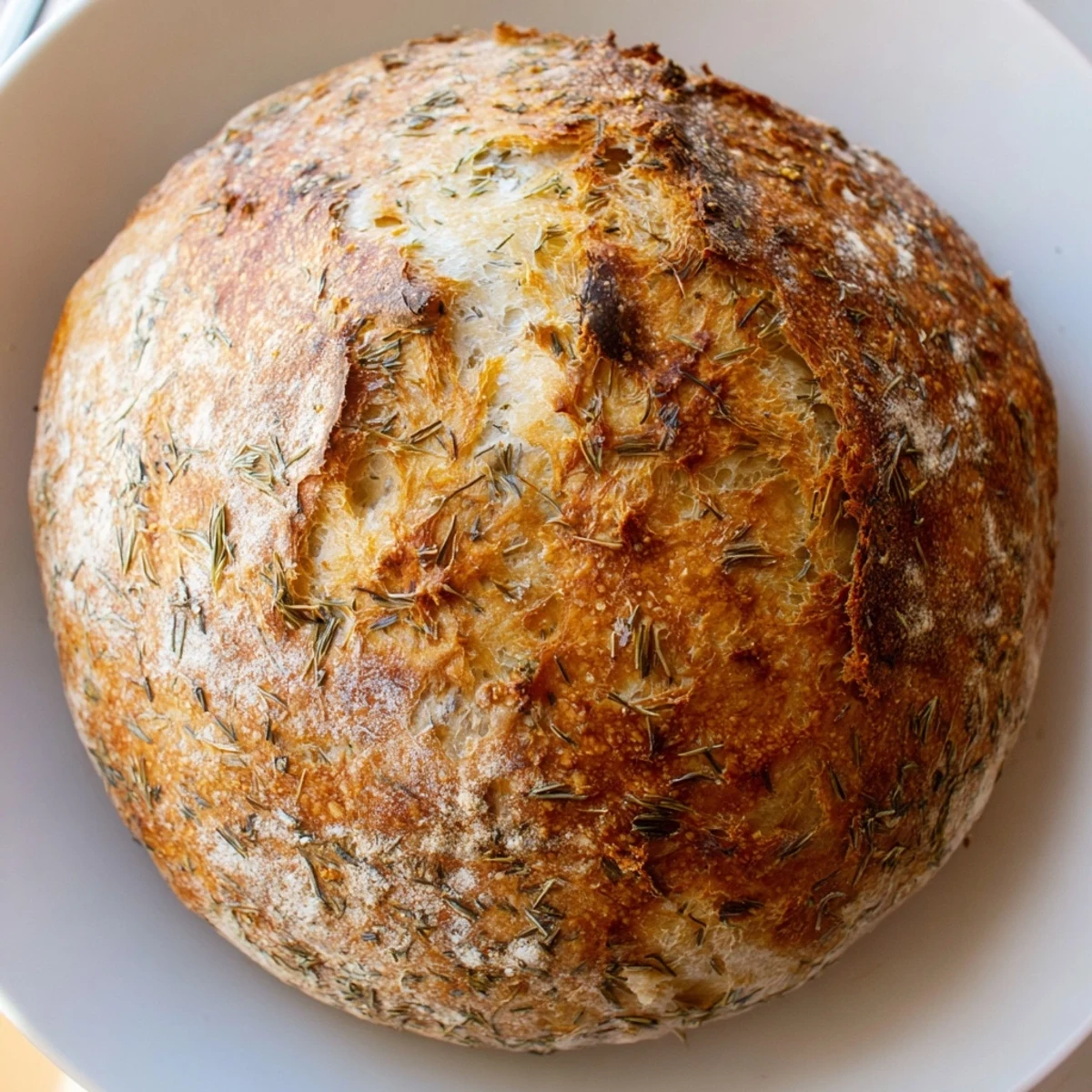
Save There is nothing quite like pulling this bread out of the oven and hearing that first crackle of the crust cooling down. Happy baking.
Recipe FAQs
- → How does the no-knead method work for this bread?
-
The no-knead approach relies on a long resting period that allows the flour to hydrate and yeast to ferment, developing gluten gradually for a light, airy crumb without manual kneading.
- → Can other cheeses be used instead of Gouda?
-
Yes, substituting Gouda with Emmental or mild Cheddar works well, offering different but compatible flavors.
- → What role does fresh dill play in this loaf?
-
Fresh dill adds an aromatic, herbaceous note that complements the creamy richness of the Gouda, enhancing flavor without overpowering.
- → Why bake the bread in a Dutch oven?
-
Baking in a preheated Dutch oven traps steam, promoting a crispy, golden crust and tender interior, mimicking a traditional artisan oven setup.
- → How should the bread be stored after baking?
-
Keep the bread in a paper bag at room temperature for up to two days or freeze it for longer storage to maintain freshness.