
 Save
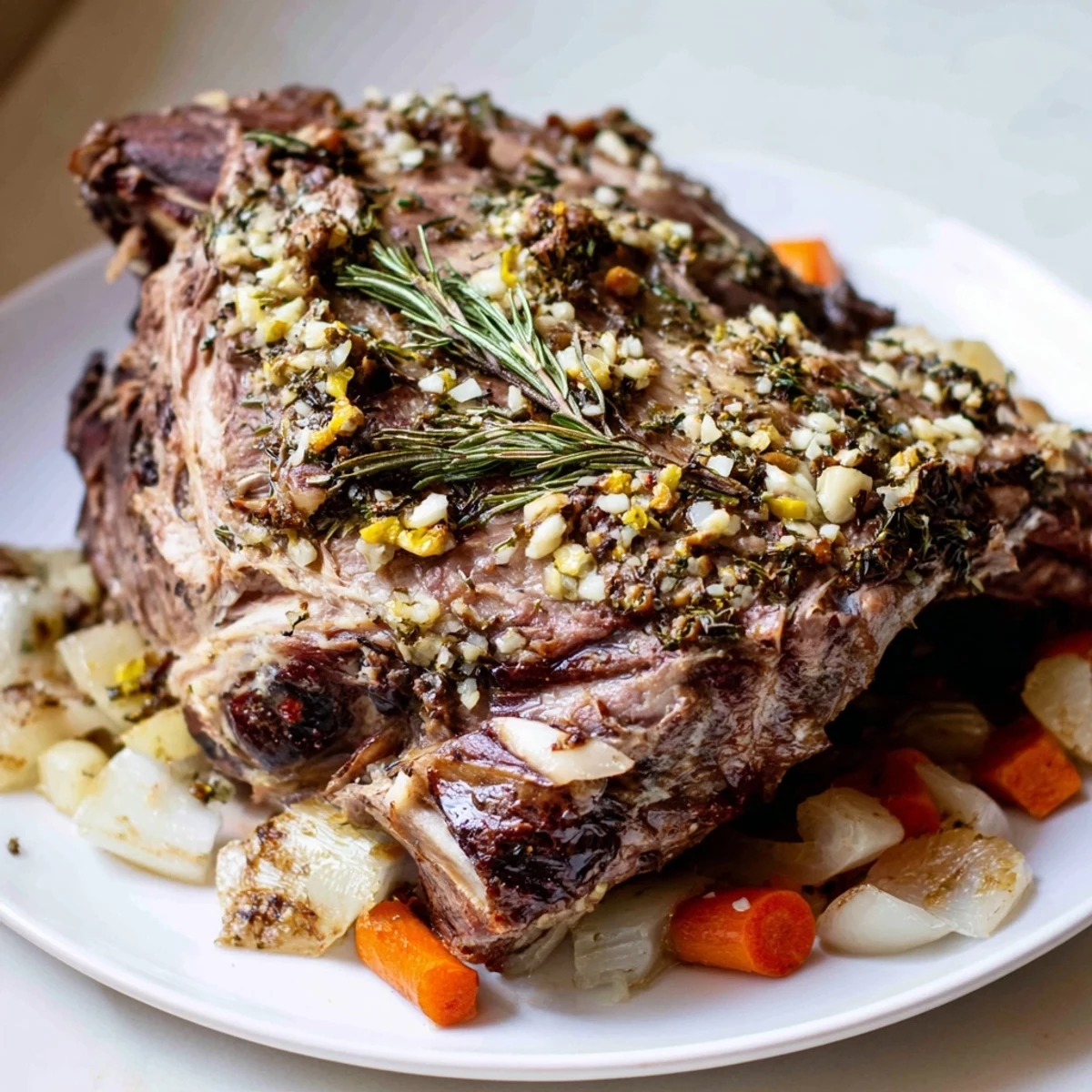
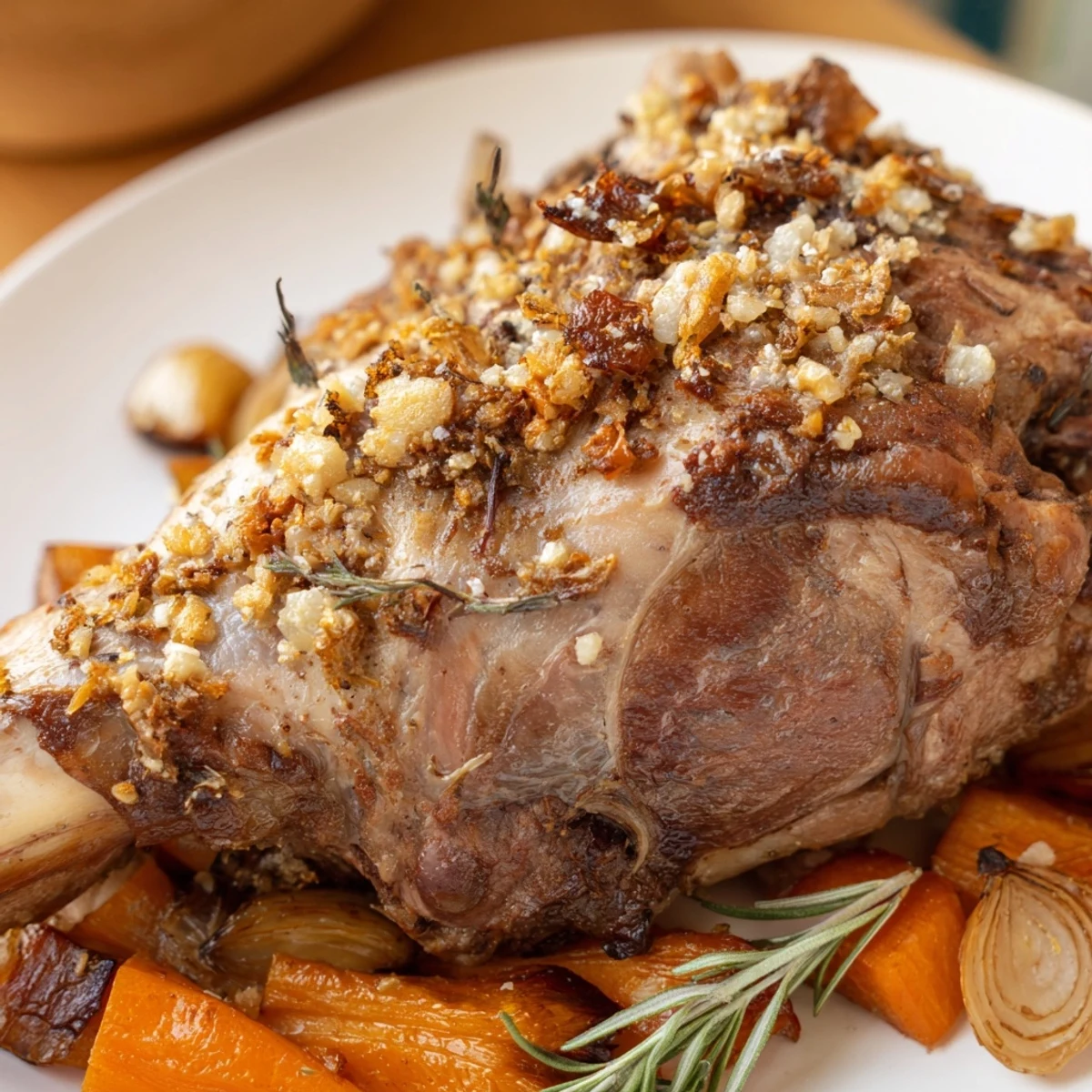
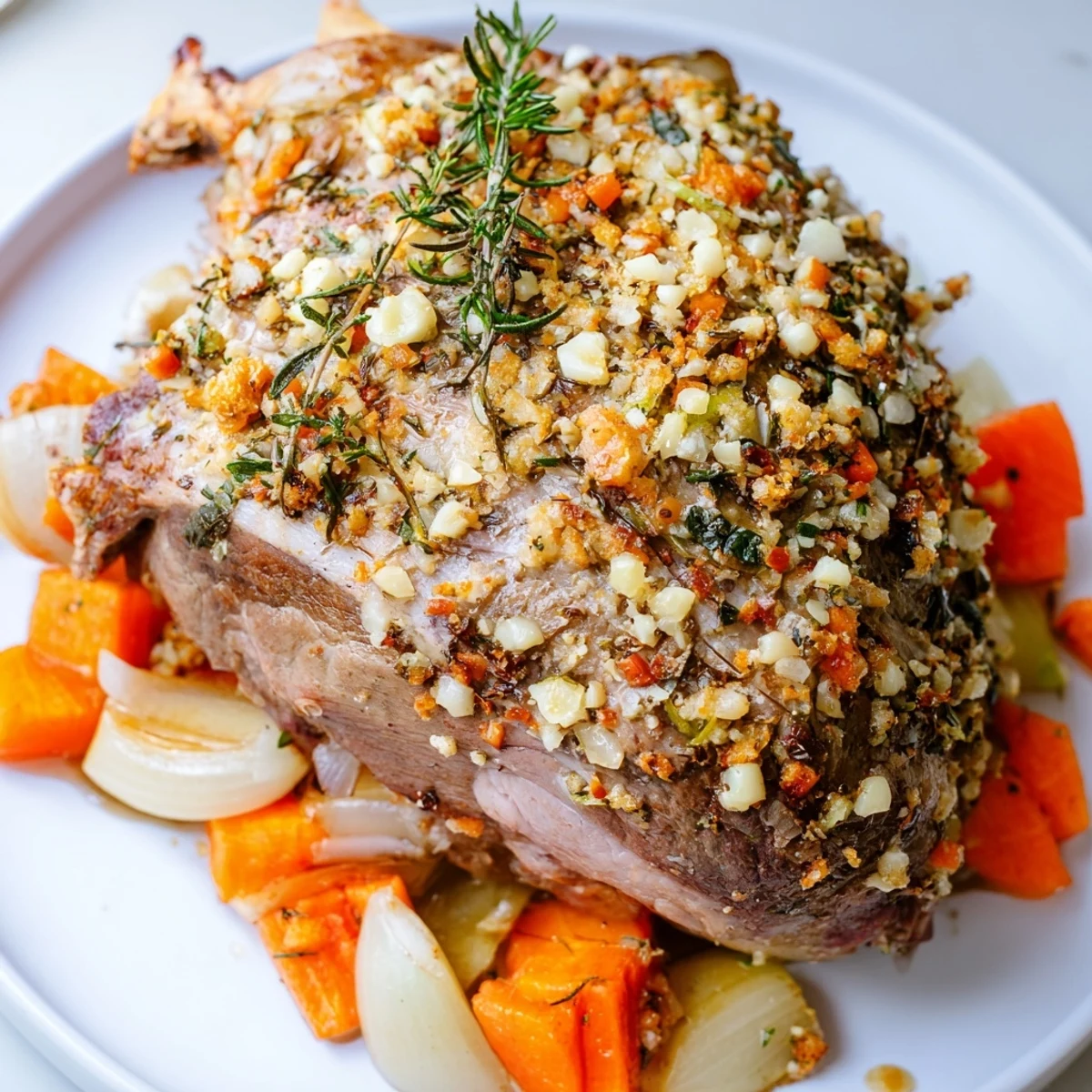
Save This dish features a bone-in lamb shoulder rubbed with olive oil, salt, and pepper, then massaged with a fragrant herb mixture of garlic, rosemary, thyme, oregano, lemon zest, and juice. It’s slow-roasted over a bed of onions, carrots, and celery with a splash of white wine or broth to develop rich flavors. After a long, slow cook, the lamb is finished at higher heat for a golden crust before resting. The result is tender, juicy meat ideal for family gatherings or special occasions.
Enhance flavor by marinating overnight and serve alongside roasted vegetables or your favorite sides. Leftovers are great in sandwiches or wraps.
The winter I first attempted lamb shoulder, my tiny apartment filled with such incredible aromas that my neighbor actually knocked on my door to ask what cooking magic was happening. I had underestimated how something so simple could transform into meat that literally falls apart at the mere suggestion of a fork. That night, with snow falling outside and red wine inside, I understood why grandmothers everywhere swear by the long, slow approach.
Last Easter, I made this for twelve people and learned that lamb shoulder is the ultimate crowd-pleaser. My cousin who swore she hated lamb went back for thirds. The best part was pulling it from the oven, all golden and bronzed, while everyone pretended not to hover around the kitchen island.
Ingredients
- 1 bone-in lamb shoulder: The bone adds incredible depth to the pan juices and keeps the meat moist during those long hours
- 2 tbsp olive oil: Helps the herb paste cling to every surface and creates that gorgeous crust we are after
- Salt and pepper: Be generous here, lamb can handle a serious seasoning and it needs it for proper flavor
- 4 cloves garlic: Fresh minced is ideal, but trust me, nobody will complain if you use the jarred stuff in a pinch
- 2 tbsp fresh rosemary: This woody herb holds up beautifully to long cooking and is basically lamb is best friend
- 2 tbsp fresh thyme leaves: The tiny leaves pack an enormous punch and balance the richer notes of the lamb
- 1 tbsp fresh oregano: Adds that sunny Mediterranean brightness that cuts through all that richness
- 1 lemon: Both the zest and juice are crucial for cutting the fat and brightening every single bite
- 2 large onions: These caramelize underneath the lamb and become the most incredible vegetable garnish
- 2 carrots and 2 celery stalks: Classic aromatics that build a foundation of flavor in those pan juices
- 250 ml dry white wine: Deglazing magic or use chicken broth if you prefer to keep it alcohol free
Instructions
- Get your oven ready first:
- Preheat to 160°C (320°F) and position the rack in the lower third so you have room for that big roasting pan
- Prep the lamb for maximum flavor:
- Pat the meat completely dry with paper towels, then score the fat layer in a diamond pattern without cutting into the meat itself
- Season generously first:
- Rub that olive oil all over every surface, then salt and pepper like you actually mean it, especially on the fatty side
- Make your herb paste:
- Mix the garlic, rosemary, thyme, oregano, lemon zest, and lemon juice until it forms a fragrant, spreadable mixture
- Really work in those flavors:
- Massage the herb paste into the lamb, pushing it deep into all those cuts you made so every bite is seasoned through
- Build your roasting bed:
- Scatter the onions, carrots, and celery across the bottom of your roasting pan to create a flavorful foundation that keeps the lamb elevated
- Position and pour:
- Place the lamb fatty side up on the vegetable bed, then pour your wine or broth around the meat rather than directly over it
- The long, slow roast:
- Cover tightly with foil and roast for 2.5 hours until the meat is beginning to pull away from the bone
- Create that gorgeous crust:
- Remove the foil, crank the heat to 200°C (400°F), and roast for 30 more minutes until the top is deeply golden and irresistible
- The patience payoff:
- Let the lamb rest for 15 minutes under a loose foil tent so all those juices redistribute instead of running all over your cutting board
 Save
Save My friend Sarah served this at her wedding anniversary dinner, and her husband still talks about how the meat practically melted onto his fork. Sometimes the simplest preparations, done with care and time, become the meals people remember forever.
Make It Ahead
I have learned that lamb shoulder actually improves when given an overnight stay in the refrigerator after seasoning. The herbs penetrate deeper, and you can simply pop it in the oven the next day with zero stress. This has saved my sanity more than once when hosting dinner.
Wine Selection
A dry white wine works beautifully here, but honestly, whatever you are drinking while cooking will do just fine. The alcohol evaporates during those hours of cooking, leaving behind only subtle complexity. I have used everything from fancy Pinot Grigio to the bottle I opened the night before.
Leftover Strategy
The day after making this lamb is almost better than the first. The flavors deepen and the meat becomes even more tender, perfect for everything from tacos to Shepherd is pie.
- Shred leftovers into morning scrambled eggs with feta and fresh herbs
- Pile onto crusty bread with arugula and garlic aioli for the ultimate sandwich
- Freeel portions in the cooking liquid for future meals that taste like slow-cooked perfection
 Save
Save There is something profoundly satisfying about a dish that rewards patience so generously. This lamb turns ordinary Sunday afternoons into occasions worth remembering.
Recipe FAQs
- → How do fresh herbs affect the flavor?
-
Fresh herbs like rosemary, thyme, and oregano infuse the lamb with aromatic, earthy notes that complement its richness.
- → Why roast the lamb shoulder slowly?
-
Slow roasting breaks down connective tissues, ensuring tender, juicy meat that's easy to carve and full of flavor.
- → What’s the purpose of vegetables under the lamb?
-
Onions, carrots, and celery create a flavorful roasting bed that adds moisture and depth during cooking.
- → Can I substitute the white wine in the cooking liquid?
-
Yes, low-sodium chicken broth is a great alternative that maintains moisture and adds subtle savory notes.
- → How should leftovers be used?
-
Leftover lamb is perfect for sandwiches, wraps, or reheated as part of another dish.