
 Save
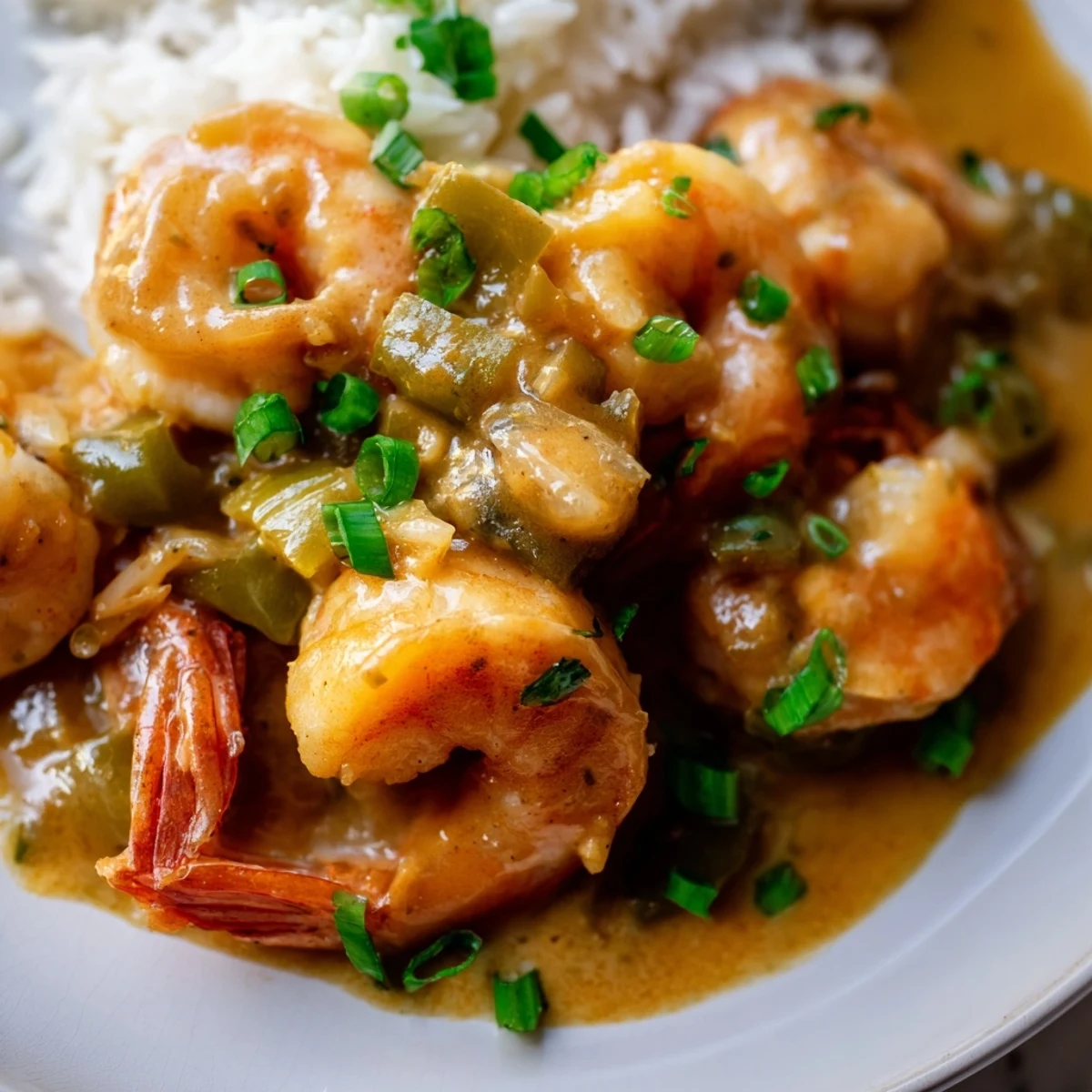
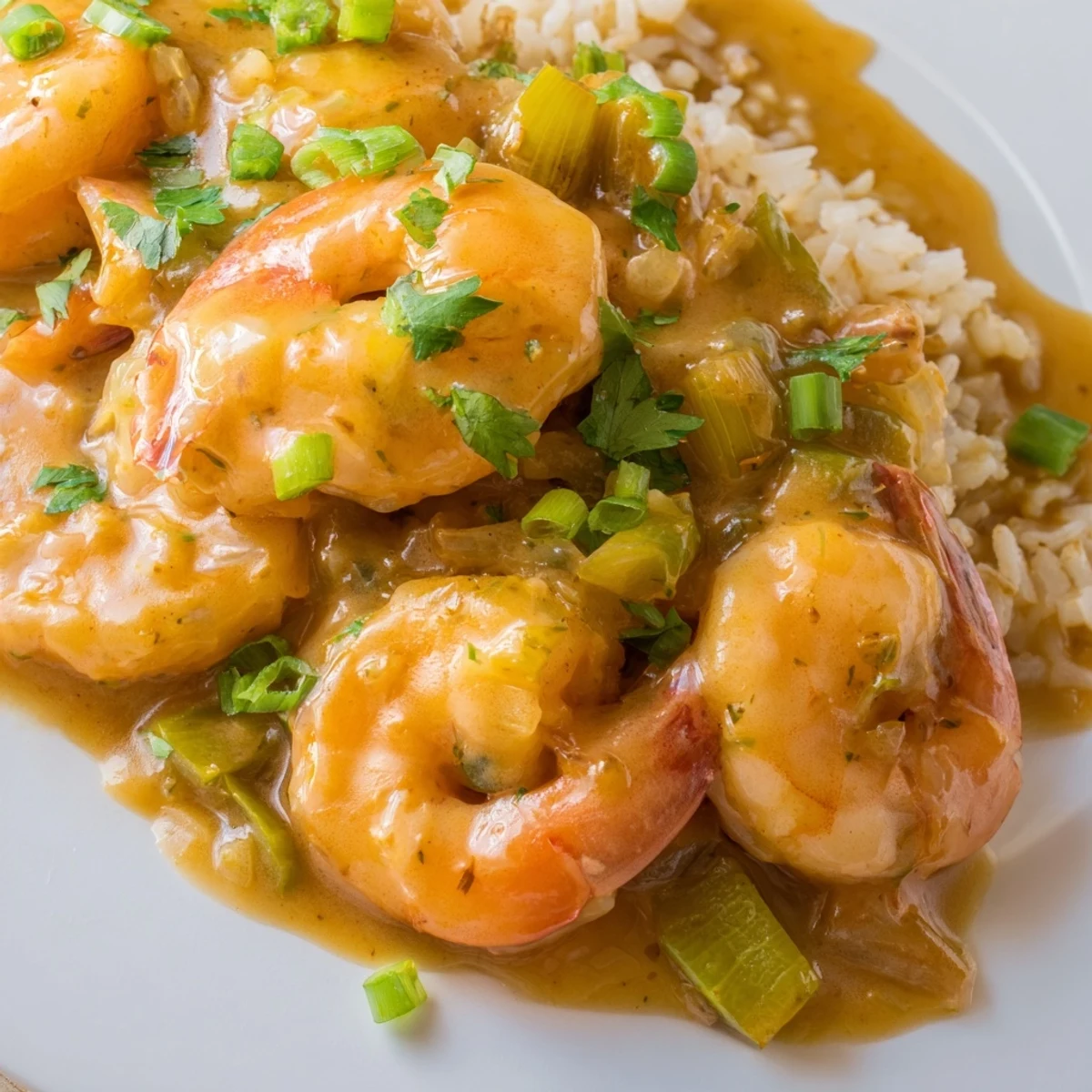
Save This Louisiana Creole classic features plump shrimp simmered slowly in a deep golden roux, creating a velvety sauce that's perfectly balanced with heat. The holy trinity of onion, celery, and bell pepper builds depth, while diced tomatoes add subtle sweetness. Finished with aromatic herbs and served over steaming white rice, each bowl delivers authentic Cajun flavors with a satisfying spicy kick.
The first time I attempted étouffée, I stood over that roux for what felt like an hour, stirring flour into melted butter and wondering if I'd somehow misunderstood the concept of cooking forever. My grandmother had warned me about roux taking patience, but watching the transformation from pale paste to something resembling liquid copper felt like witnessing kitchen magic. Now it's become one of those Sunday afternoon projects where the whole house starts smelling like Louisiana and neighbors somehow appear at the door.
Last winter, during that snowstorm that kept everyone inside for three days straight, I made a triple batch of shrimp étouffée for what was supposed to be just my family. Something about the aroma of that developing roux and the holy trinity of vegetables sizzling away drew people from three neighboring apartments. We ended up eating it on mismatched plates while watching the snow pile up, and I've never been more grateful for a recipe that scales up so gracefully.
Ingredients
- Large shrimp: Fresh shrimp really do make a difference here, but if you must use frozen, thaw them completely and pat them dry or they'll water down your sauce
- Creole seasoning: I keep a jar of homemade blend, but Emeril's works perfectly fine if you want to skip that step
- Butter: Unsalted butter gives you control over the final seasoning, and the milk solids actually help develop that gorgeous roux color
- All-purpose flour: This is what creates the thickening base, and there's really no substitute that behaves quite the same way
- The holy trinity: Onion, celery, and bell pepper in equal amounts are non-negotiable for authentic Creole flavor
- Seafood stock: Homemade is ideal, but a good quality store-bought chicken stock works if seafood stock isn't available
- Diced tomatoes: Draining them prevents the étouffée from becoming too thin while still adding that essential acidity
- Bay leaves: Don't skip these, they add that subtle aromatic depth that makes people ask what your secret ingredient is
- Smoked paprika: This is what gives you that gorgeous color and adds a whisper of smokiness without overwhelming the shrimp
Instructions
- Season the shrimp first:
- Toss your cleaned shrimp with half the Creole seasoning and let them sit while you prep everything else, which gives them a head start on flavor
- Make your roux:
- Melt the butter in your heavy-bottomed pan over medium heat, whisk in the flour, and stir without stopping until it turns the color of a copper penny, which usually takes 8 to 10 minutes but could be longer depending on your stove
- Cook the vegetables:
- Add your onion, celery, and bell pepper to that beautiful roux and cook them until they're completely soft, about 5 minutes, scraping the bottom as you go
- Add the aromatics:
- Stir in the garlic for just one minute so it doesn't burn, then add the tomatoes, bay leaves, thyme, paprika, remaining Creole seasoning, and cayenne
- Add the liquid:
- Pour in the stock slowly while stirring constantly to prevent any lumps from forming, then let it simmer uncovered for 10 to 15 minutes until it coats the back of a spoon
- Add the shrimp:
- Fold in your seasoned shrimp and cook just until they turn pink, which only takes 3 or 4 minutes, because overcooked shrimp will ruin everything
- Season and serve:
- Taste it, add salt and pepper if needed, fish out those bay leaves, and serve it over rice with fresh green onions, parsley, and lemon wedges on the side
 Save
Save This recipe became my go-to for bringing people together during difficult times. There's something about the process of standing at the stove, stirring and tasting, that makes conversations flow easier. The way it fills the kitchen with such a welcoming aroma seems to put everyone at ease before they even take a bite.
Making It Your Own
I've learned that adding andouille sausage, sliced thin and browned with the vegetables, creates an even deeper flavor that my family now requests every single time. You can also substitute crawfish during their short season, or even use chicken if you're cooking for someone with shellfish allergies, though the cooking time will need to increase accordingly.
Perfecting The Rice
The rice underneath makes or breaks this dish, and I've found that day-old rice or rice cooked with slightly less water than usual holds up better under that rich sauce. Fluffy rice that's too fresh will turn to mush the moment the étouffée hits it, so plan ahead and cook your rice earlier in the day.
Serving And Storing
Étouffée is one of those rare dishes that actually improves overnight as the flavors meld together. I always make extra for lunch the next day, served over fresh rice with a little extra hot sauce sprinkled on top.
- Garnish with plenty of fresh herbs because they brighten up all that richness
- Keep hot sauce on the table so guests can adjust the heat to their liking
- Never reheat this in the microwave, which can separate the sauce and make the shrimp rubbery
 Save
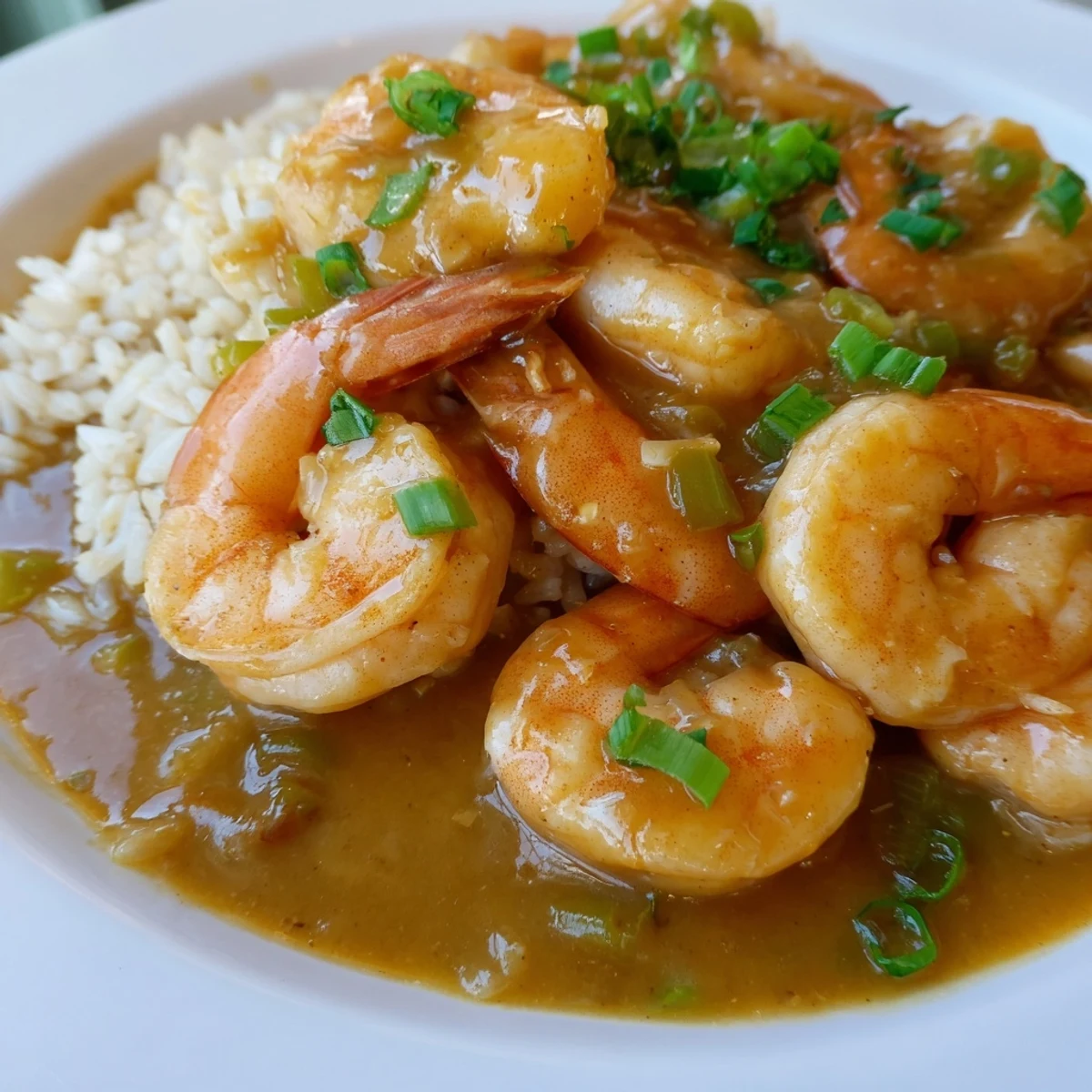
Save There's something deeply satisfying about serving this dish to people who've never had it before and watching their eyes light up at that first bite. Good food has a way of creating memories that stick with us long after the plates are empty.
Recipe FAQs
- → What makes an authentic roux for étouffée?
-
A true étouffée begins with a dark golden roux made by cooking butter and flour for 8-10 minutes while whisking constantly. The deep color and nutty flavor foundation are essential for achieving that rich Louisiana consistency.
- → Can I adjust the spice level?
-
Absolutely. Start with the recommended cayenne and Creole seasoning, then taste before adding the shrimp. Add more heat gradually with additional cayenne or hot sauce, or reduce spices for a milder version that still maintains depth.
- → What's the holy trinity in Cajun cooking?
-
The holy trinity refers to onion, celery, and green bell pepper chopped finely and cooked together. This aromatic combination forms the flavor base of Creole and Cajun cuisine, similar to French mirepoix but with bell pepper instead of carrots.
- → How do I prevent lumps when adding stock?
-
Pour the stock in slowly while whisking or stirring constantly. Adding liquid gradually and maintaining movement helps incorporate it smoothly into the roux without creating lumps, resulting in that signature silky texture.
- → Can I make this with other proteins?
-
Definitely. Crawfish is traditional, but chicken thighs work beautifully as well. Adjust cooking times accordingly—chicken needs about 15 minutes to cook through, while crawfish only requires 5-7 minutes like shrimp.