
 Save
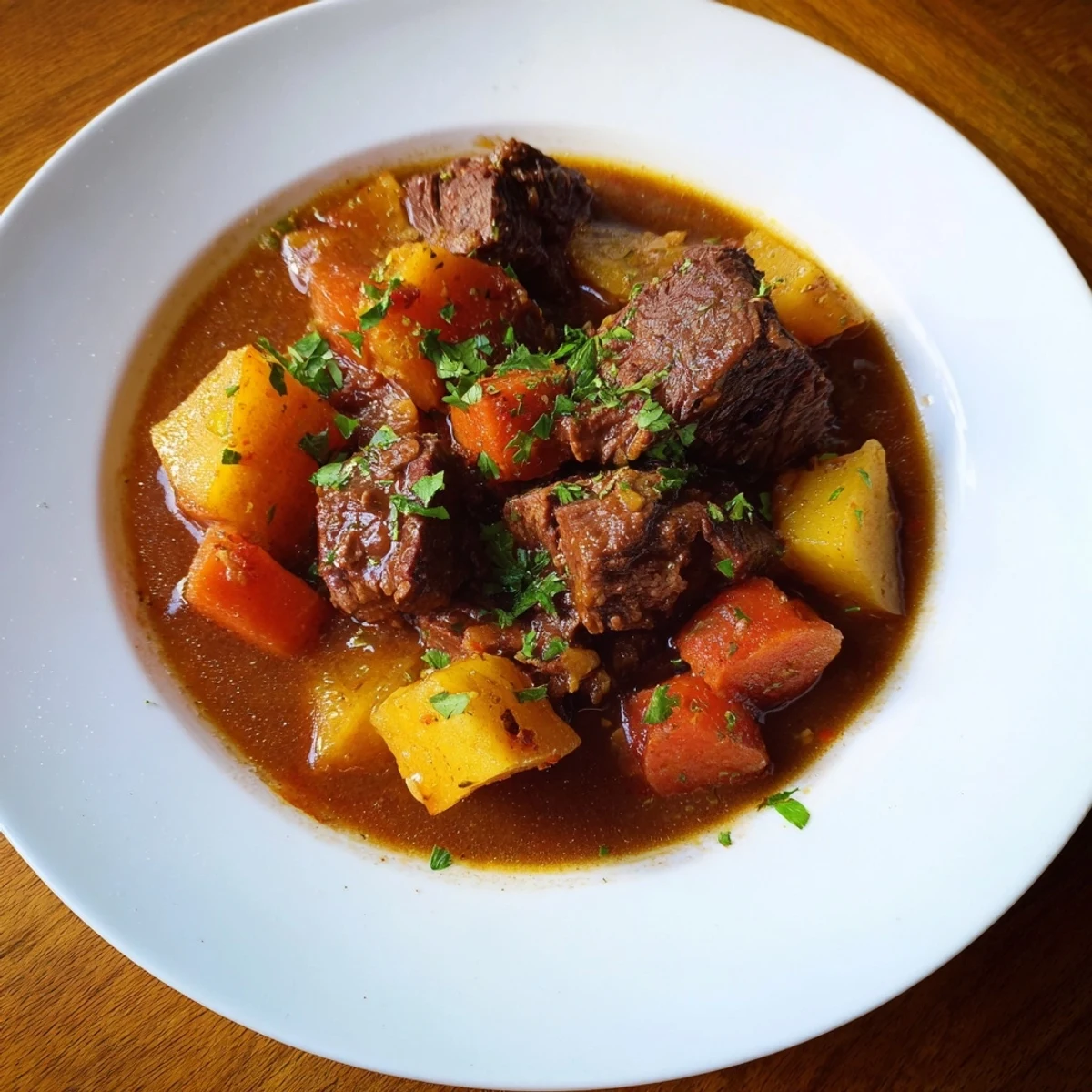
Save This slow-cooked dish combines tender beef chuck with a mix of carrots, parsnips, potatoes, celery, and aromatic herbs. Simmered for eight hours, the flavors meld into a hearty and comforting stew with a rich broth. Optional steps include browning the beef to boost depth and thickening the stew with a cornstarch slurry. Garnished with fresh parsley, this dish offers a satisfying blend of savory, earthy, and herbaceous notes ideal for a cozy dinner.
I came home one winter evening to the smell of this stew filling the entire house, and it hit me that I'd forgotten I'd even started it that morning. The slow cooker had been working all day while I was out, and the beef had turned so tender it practically dissolved on the fork. That's when I realized this recipe wasn't just convenient, it was forgiving in the best possible way.
The first time I made this for my family, my brother ate three bowls and asked if I'd opened a restaurant without telling him. I hadn't done anything fancy, just let time and low heat do the work. Watching everyone go quiet while they ate reminded me that comfort food doesn't need to be complicated, it just needs to feel like home.
Ingredients
- Beef chuck: This cut has enough marbling to stay juicy through long cooking, and it shreds beautifully after eight hours on low heat.
- Carrots: They add natural sweetness and hold their shape better than you'd expect, I cut them thick so they don't turn to mush.
- Parsnips: These bring an earthy, slightly nutty flavor that makes the stew taste more interesting than just potatoes and carrots alone.
- Potatoes: They thicken the broth as they cook and give the stew that hearty, stick to your ribs quality.
- Celery: It adds a subtle vegetal note and a little texture without being the star of the show.
- Yellow onion: I use a big one because it breaks down completely and sweetens the whole pot.
- Garlic: Fresh cloves are key here, they mellow out beautifully and add depth you can't get from powder.
- Beef broth: Low sodium gives you control over the salt level, and it's the backbone of the entire stew.
- Red wine: A half cup adds richness and a little acidity that balances the heaviness of the beef, but you can skip it if you don't have any open.
- Tomato paste: Just two tablespoons bring umami and a hint of color without making it taste like tomato soup.
- Worcestershire sauce: This is my secret weapon for that savory, almost meaty complexity.
- Thyme and rosemary: Dried herbs work perfectly here and infuse the broth with that classic stew aroma.
- Bay leaves: They add a subtle fragrance that makes the whole kitchen smell like a French country cottage.
- Cornstarch or gluten free flour: I only use this if I want a thicker stew, and I add it at the end so I can control the consistency.
- Fresh parsley: A sprinkle at the end brightens everything up and makes it look like you really tried.
Instructions
- Prep the beef:
- Pat the cubes dry with paper towels and season them generously with salt and pepper. Drying them first helps the seasoning stick and prevents the stew from getting watery.
- Brown the beef (optional but worth it):
- Heat a large skillet over medium high heat and sear the beef in batches until each side has a golden crust. This step adds a deep, caramelized flavor that you can't get any other way.
- Layer the vegetables:
- Add the carrots, parsnips, potatoes, celery, onion, and garlic to the slow cooker. I like to nestle the beef right into the vegetables so everything cooks evenly.
- Mix the liquid base:
- Whisk together the beef broth, red wine, tomato paste, and Worcestershire sauce in a bowl until smooth. Pour it over everything in the slow cooker so the beef and vegetables are just covered.
- Add the herbs:
- Toss in the thyme, rosemary, and bay leaves, then give it all a gentle stir. The herbs will bloom slowly over the hours and fill your house with the best smell.
- Set it and forget it:
- Cover the slow cooker and cook on low for 8 hours. Walk away, go live your life, and let the heat work its magic.
- Thicken if needed:
- If you want a thicker stew, mix the cornstarch or flour with water to make a slurry and stir it in during the last 30 minutes. It'll turn the broth silky and spoonable.
- Finish and serve:
- Fish out the bay leaves, taste the stew, and adjust the salt and pepper. Ladle it into bowls and scatter fresh parsley on top for a pop of color and freshness.
 Save
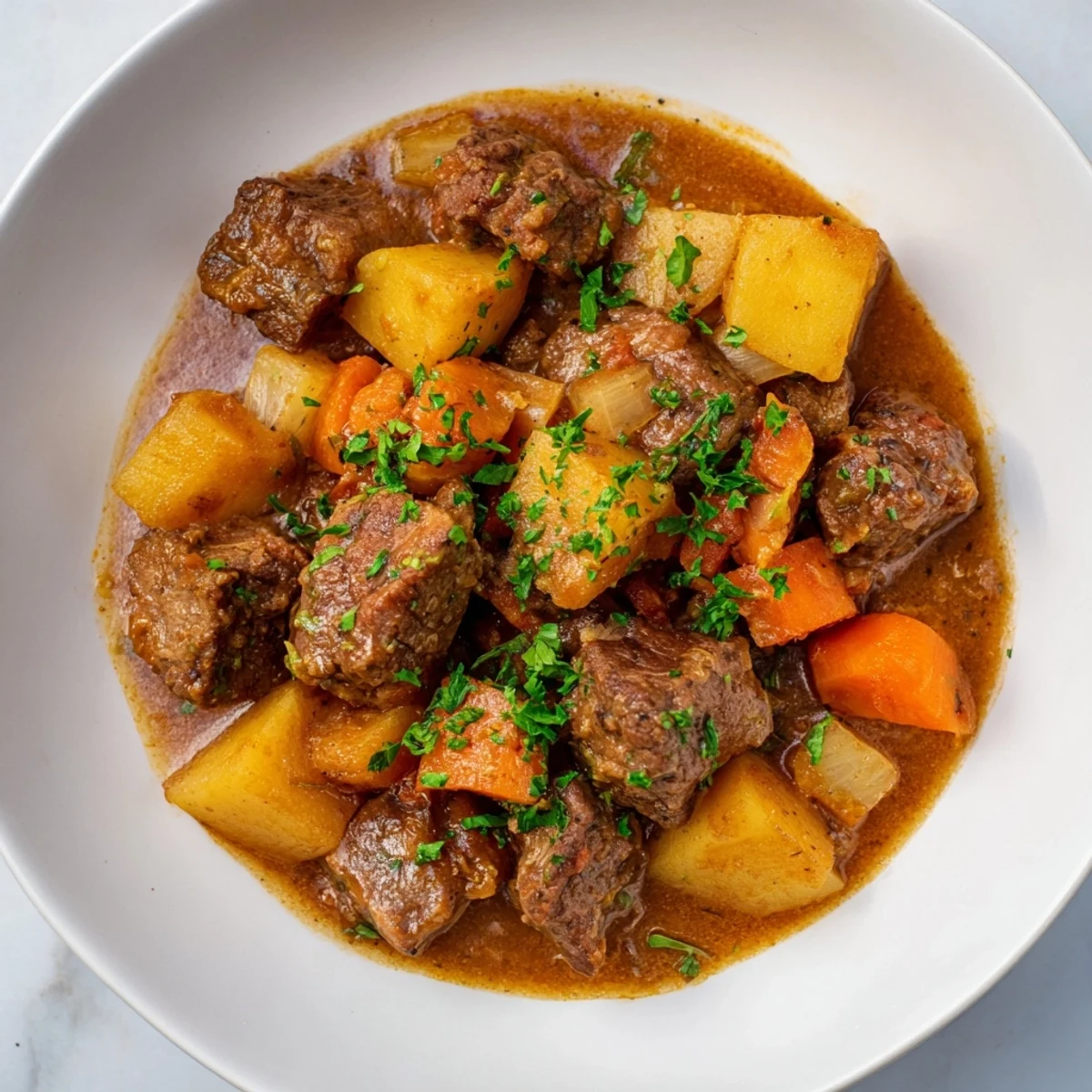
Save One night I served this stew with a hunk of crusty bread, and my friend tore off pieces to soak up every last drop of broth. She told me it tasted like the kind of meal her grandmother used to make, and I realized that's exactly what slow cooking does, it turns simple ingredients into something that feels like a memory.
Choosing Your Vegetables
I've swapped in turnips and rutabagas before, and they work beautifully if you like a slightly sharper, earthier flavor. Just make sure everything is cut to about the same size so it all finishes cooking at the same time. If you want to keep it lower carb, leave out the potatoes and double up on the parsnips or add some chunks of cabbage in the last hour.
Serving Suggestions
I love ladling this over a mound of buttery mashed potatoes, but it's just as good with crusty sourdough or even a side of rice. Sometimes I'll serve it in wide, shallow bowls with a little extra broth so everyone can dip their bread. It's the kind of dish that makes the table feel cozy no matter what else you put out.
Storage and Reheating
This stew keeps in the fridge for up to four days, and honestly, it tastes even better on day two once the flavors have had time to marry. You can also freeze it in individual portions for up to three months, just let it cool completely first and leave a little headspace in the container.
- Reheat gently on the stovetop over low heat, adding a splash of broth if it's thickened up too much.
- If you froze it, thaw it overnight in the fridge before reheating for the best texture.
- Don't microwave it on high or the beef can get rubbery, low and slow is the way to go even for leftovers.
 Save
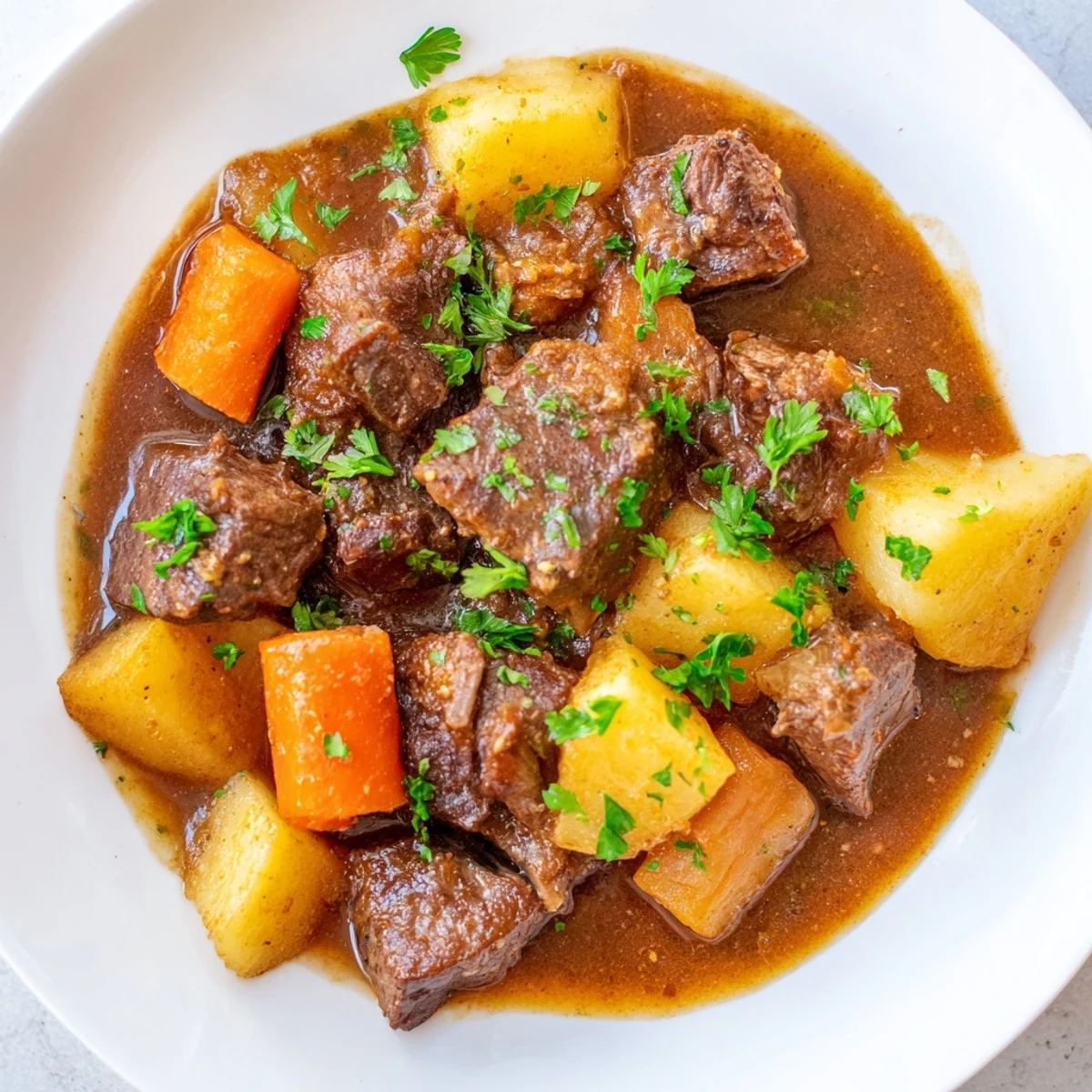
Save There's something deeply satisfying about knowing dinner is already done before lunchtime, and that it'll be waiting for you no matter how the rest of the day goes. This stew has become my go to for cold nights, busy weeks, and any time I need a meal that feels like a warm hug in a bowl.
Recipe FAQs
- → What cut of beef works best for slow cooking?
-
Beef chuck is ideal due to its marbling and connective tissue, which break down during slow cooking to create tender, flavorful meat.
- → Can I substitute root vegetables in this dish?
-
Yes, root vegetables like turnips or rutabagas can be swapped in to add variety while maintaining the stew's hearty texture.
- → Is browning the beef necessary before slow cooking?
-
Browning enhances flavor by developing a caramelized crust, but the stew will still cook well without this step if time is limited.
- → How can I thicken the stew broth naturally?
-
Mix cornstarch or gluten-free flour with water to create a slurry, then stir it into the stew during the last 30 minutes of cooking for a thicker texture.
- → What herbs complement the beef and vegetables?
-
Thyme, rosemary, and bay leaves add earthy and fragrant notes that balance the richness of the meat and vegetables.