
 Save
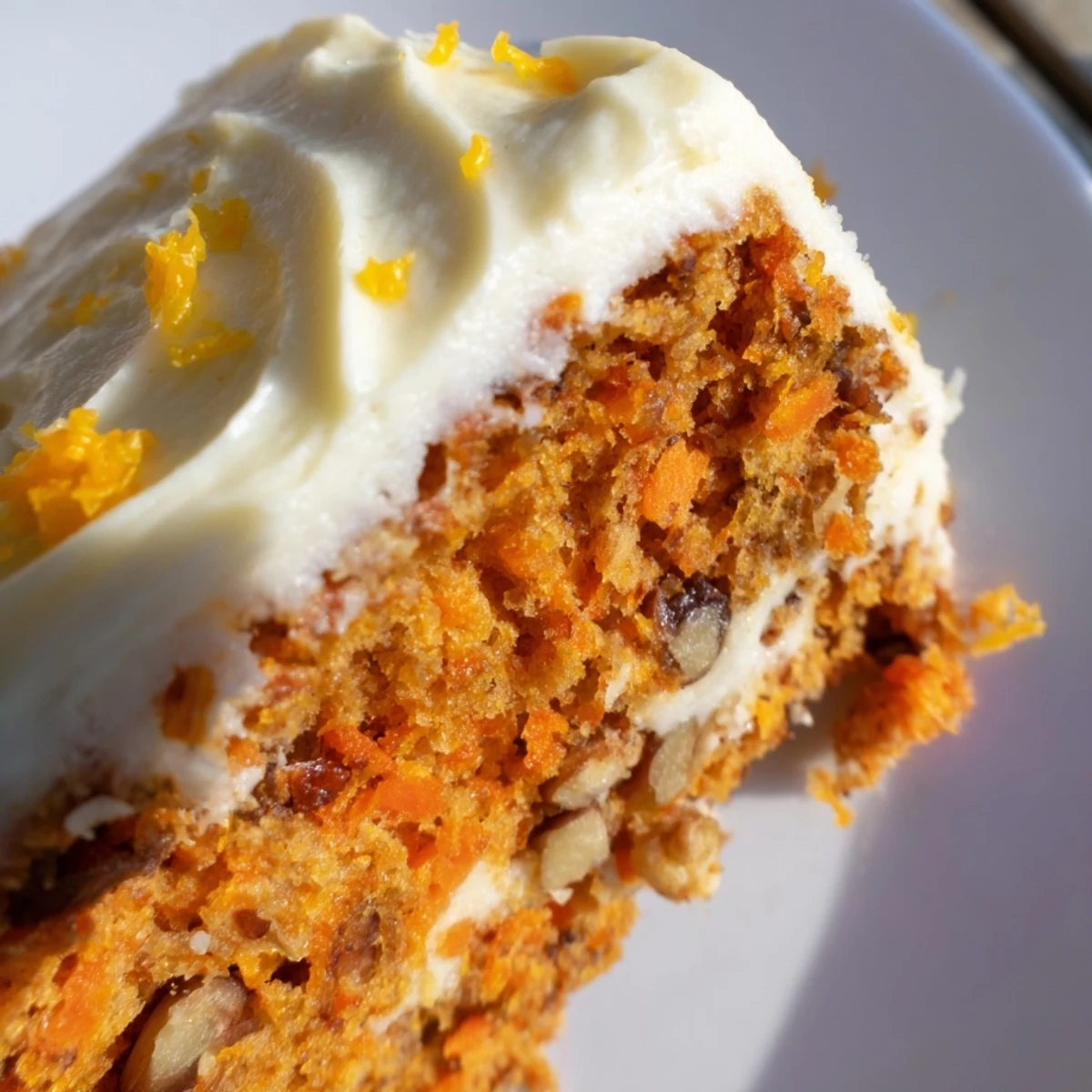
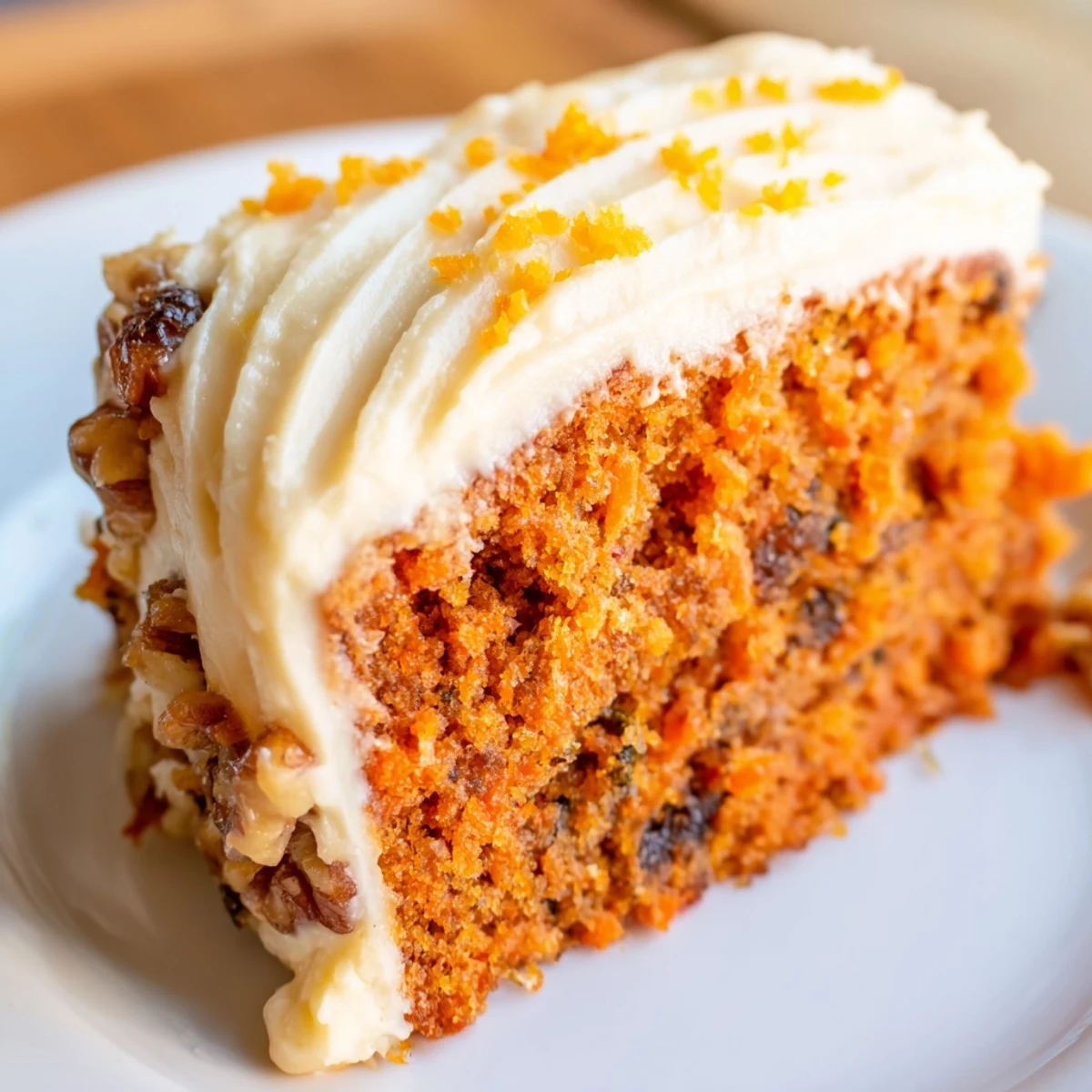
Save This warmly spiced carrot cake features a moist crumb enriched with cinnamon, nutmeg, cloves, and ginger, complemented by grated carrots and optional walnuts or raisins. A creamy orange-scented frosting crowns the cake, made with cream cheese, butter, powdered sugar, and fresh orange zest and juice. Simple to prepare and bake, this treat suits gatherings or afternoon indulgences, pairing wonderfully with teas or sparkling wine. Nut-free and tropical variations are easy to create for added versatility.
There's something about the smell of cinnamon and carrots baking together that makes a kitchen feel like home, even if you're just learning to bake. My aunt brought this cake to a family dinner years ago, and I remember sneaking into the kitchen to watch her frost it—the way she zested that orange right over the cream cheese frosting was so casual, like she'd done it a thousand times. That afternoon, I decided I wanted to understand why this cake tasted so alive, so warm, not like the dense brick carrot cakes I'd seen before. It turns out the secret was right there in her technique and her refusal to skip a single spice.
I baked this for my coworker's birthday last spring, and the way her face lit up when she tasted it made me realize baking isn't about impressing—it's about saying I spent time thinking of you. She had asked for something not too sweet, something with real flavor, and I remembered my aunt's cake immediately. The frosting had just the right tang to balance the spices, and honestly, watching people's reactions as they tasted it made me feel like I'd unlocked something important about hospitality in the kitchen.
Ingredients
- All-purpose flour (2 cups): The foundation—make sure to measure by weight or spoon and level, not by scooping straight from the bag, which packs it down and throws off your ratios.
- Baking powder and baking soda (2 tsp and 1 tsp): These work together to give you lift and a subtle tang that makes the spices shine.
- Spice blend (cinnamon, nutmeg, cloves, ginger): Don't skip even a pinch of cloves—that's what transforms this from good to memorable, though go easy if you're new to it.
- Both sugars (1 cup granulated, ½ cup brown): The brown sugar adds moisture and a deeper warmth that granulated alone cannot give you.
- Eggs and vegetable oil (4 eggs, 1 cup oil): This combination keeps the cake tender and gives it that luxurious crumb texture that makes people come back for a second slice.
- Applesauce (½ cup): This cuts some of the oil's richness and adds natural sweetness so the cake never feels heavy or greasy.
- Grated carrots (2½ cups): Freshly grated makes all the difference—pre-shredded from a bag will make your cake soggy because of added moisture.
- Walnuts or pecans (1 cup, optional): Toast them lightly if you have time; it wakes up their flavor and makes them feel intentional rather than like an afterthought.
- Cream cheese and butter for frosting (8 oz cream cheese, ¼ cup butter): Both must be softened to room temperature or your frosting will be lumpy and won't spread smoothly.
- Powdered sugar (2½ cups, sifted): Sifting sounds tedious, but it dissolves into the frosting without leaving grainy little pockets.
- Fresh orange juice and zest (2–3 tbsp juice, 2 tsp zest): Use a microplane for the zest—it catches those oils that make the frosting taste bright and alive instead of just citrusy.
Instructions
- Get your station ready:
- Preheat the oven to 350°F and prepare two 8-inch round pans with parchment paper. This takes just a minute but saves you from a sticky situation later.
- Build your spice blend:
- Whisk together flour, baking powder, baking soda, salt, and all four spices in a bowl. Letting these get to know each other before they meet the wet ingredients helps the flavors distribute evenly.
- Mix your wet base:
- Beat sugar, brown sugar, eggs, oil, applesauce, and vanilla until the mixture is pale and smooth. This should take about 2–3 minutes with an electric mixer.
- Bring it together gently:
- Add the dry mixture to the wet mixture in two or three additions, stirring just until you see no white streaks of flour. Overmixing develops gluten and makes the cake tough.
- Fold in the good stuff:
- Add your grated carrots, nuts, and raisins with a spatula, folding gently to keep the batter light and airy.
- Divide and bake:
- Pour equal amounts into each prepared pan and smooth the tops. Bake for 40–45 minutes until a toothpick comes out clean—the cakes should smell spiced and warm, not raw.
- Cool with patience:
- Let the cakes sit in the pans for 10 minutes to set, then turn them out onto a wire rack to cool completely. Rushing this step leads to crumb loss and an uneven frosting surface.
- Make the frosting magic:
- Beat softened cream cheese and butter until light, then add sifted powdered sugar a half cup at a time, beating after each addition. Add orange zest, juice, vanilla, and salt, then beat until fluffy and spreadable—don't overbeat or it can curdle.
- Assemble and finish:
- Place one layer on a plate, spread frosting over the top, add the second layer, and frost the top and sides. If it's warm or soft, refrigerate for 30 minutes before slicing so the frosting stays neat.
 Save
Save Last fall, I brought this cake to a potluck and ended up eating it standing in the kitchen with my hands while talking with another baker about why certain spices make us feel safe. She told me her mother made a version almost identical to this one, and suddenly it hit me that some recipes are less about being new and more about being true—they work because they've been refined by years of people loving them. This cake became one of those for me.
The Spice Question
Carrot cake without deep spicing is just sweetened shredded vegetables, but this blend—cinnamon as the main voice, with nutmeg, cloves, and ginger as whispers underneath—creates something that feels almost meditative to eat. The cloves especially are doing secret work here, giving you a hint of earthiness that makes the orange frosting feel like a conversation between two flavors rather than a topping. If you've never toasted whole spices and ground them yourself, this might be the cake that finally makes you want to try it; the difference between pre-ground spices that have been sitting in your cabinet for six months and fresh ground is startling.
Why This Frosting Works
Most cream cheese frostings are heavy and one-note, but adding fresh orange juice and zest lifts the whole thing into a different category. The orange doesn't announce itself loudly—instead, it works with the tanginess of the cream cheese to make every bite feel brighter and more balanced. I learned this by accident when I zested an orange too aggressively and got some of that bitter white pith in the frosting, which taught me to use only the colored part. Now I use a microplane every time, and it's become the detail that people remember about this cake.
Storage and Serving
This cake actually tastes better the next day once the flavors have had time to meld and the frosting has firmed up in the refrigerator. Keep it covered and chilled for up to four days, and slice with a warm knife dipped in hot water between cuts for the cleanest pieces. If you're serving it at room temperature, pull it out 20 minutes before eating so the frosting softens just enough to feel creamy on your tongue.
- Make this cake a day or two ahead if you can—it gives you one less thing to worry about on the day you're serving it.
- Pair it with Earl Grey tea or sparkling wine for the kind of simple elegance that makes people feel cared for.
- If you're taking it somewhere, the whole assembled cake can travel in a cake carrier, and the frosting will hold up beautifully as long as it's been chilled.
 Save
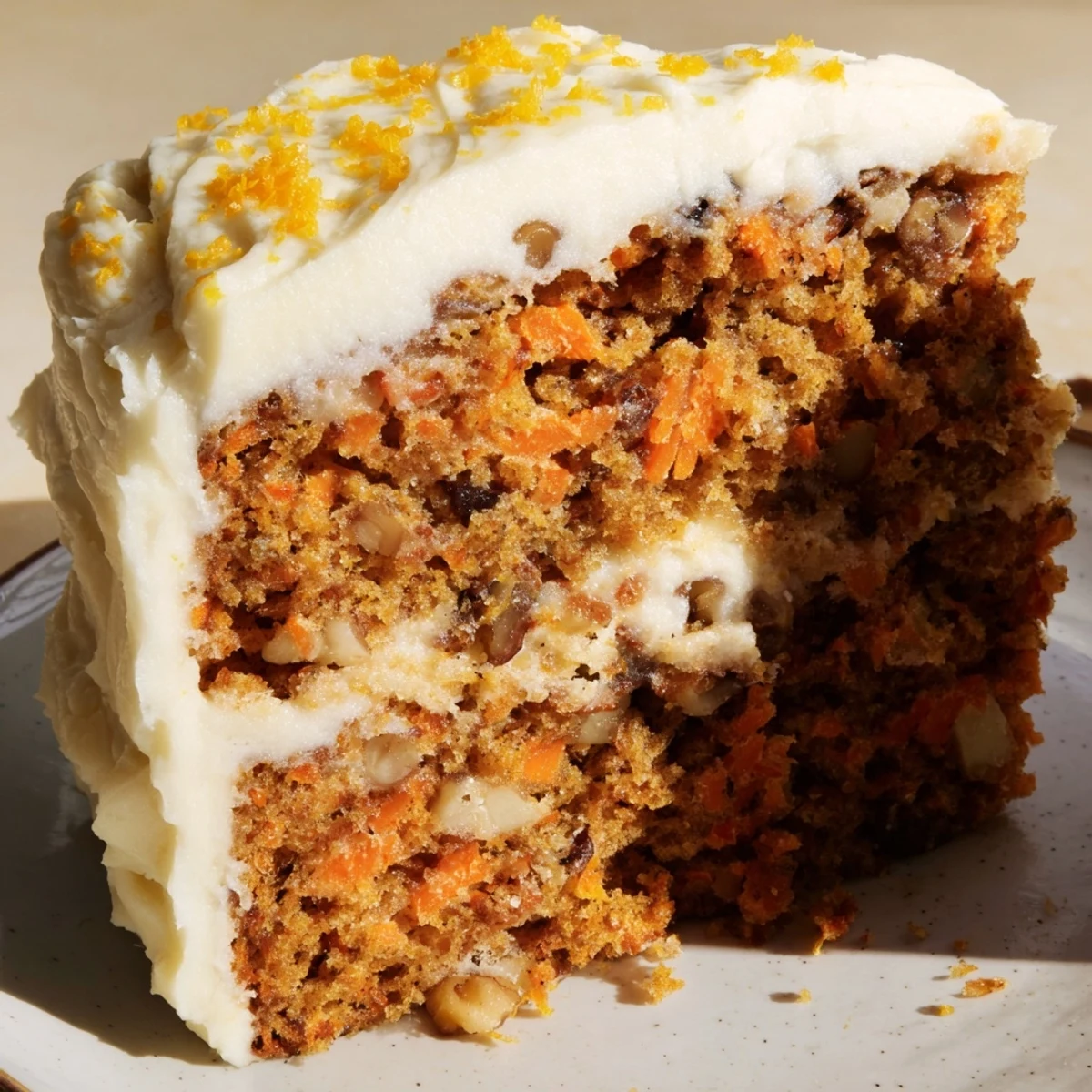
Save This cake has a way of making ordinary moments feel like celebrations, and that's the real magic of it. Every time someone asks for the recipe, I know they've tasted something that reminded them why baking matters.
Recipe FAQs
- → Can I substitute nuts in this cake?
-
Yes, you can omit walnuts or pecans for a nut-free version without affecting the texture significantly.
- → What gives the cake its warm spice flavor?
-
The cake’s warm and cozy taste comes from a blend of cinnamon, nutmeg, cloves, and ginger balanced perfectly in the batter.
- → How is the orange flavor incorporated?
-
Orange zest and fresh orange juice are blended into the creamy frosting, adding a refreshing citrus aroma and taste.
- → Can I prepare the cake ahead of time?
-
Yes, baking the cake and frosting it a few hours ahead allows flavors to meld and the frosting to set nicely after chilling.
- → What can I use instead of applesauce?
-
Pineapple can be used as a substitute for applesauce to introduce a tropical twist to the cake’s moistness and flavor.
- → How should I store leftovers?
-
Store any leftovers covered in the refrigerator to maintain freshness and keep the frosting firm.