
 Save
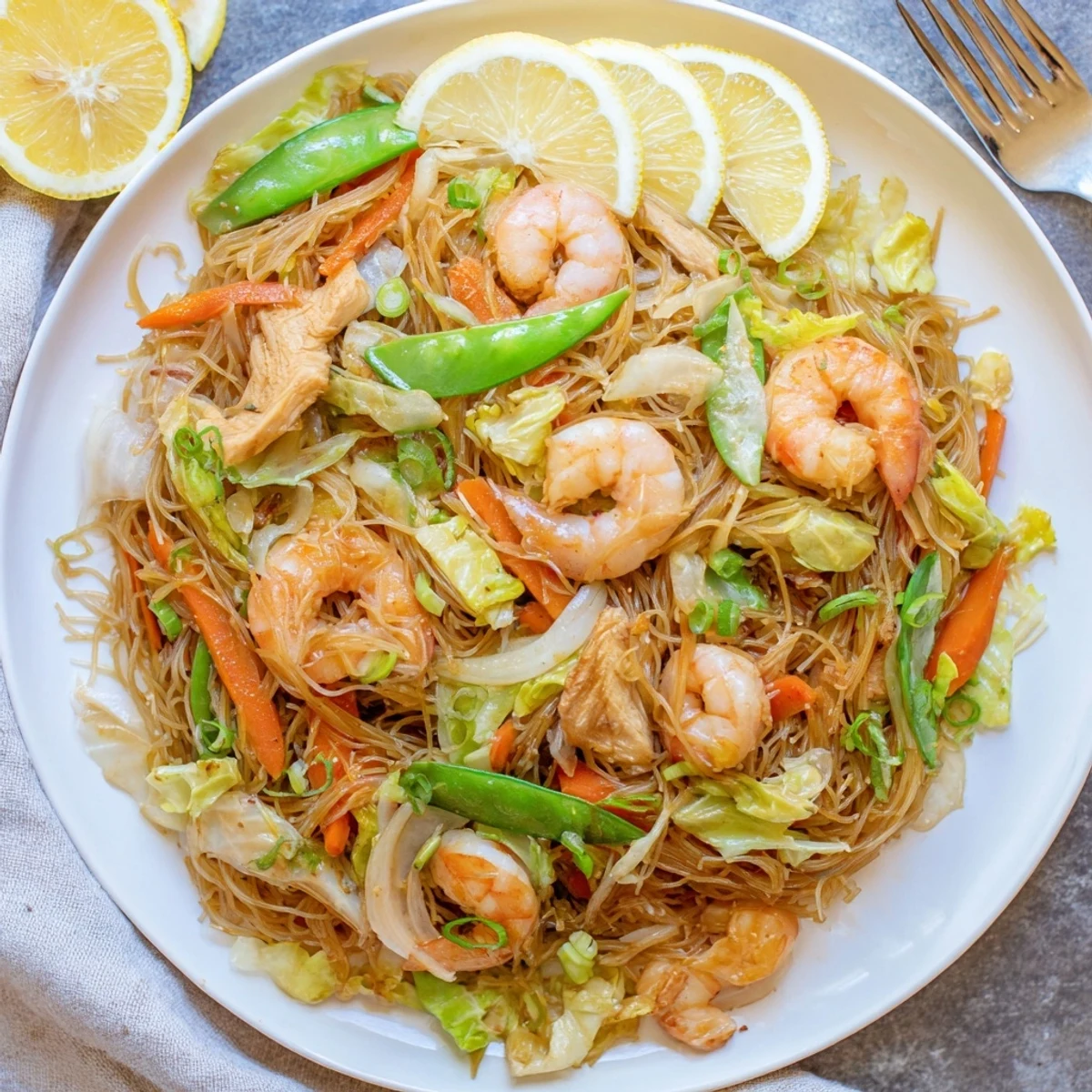
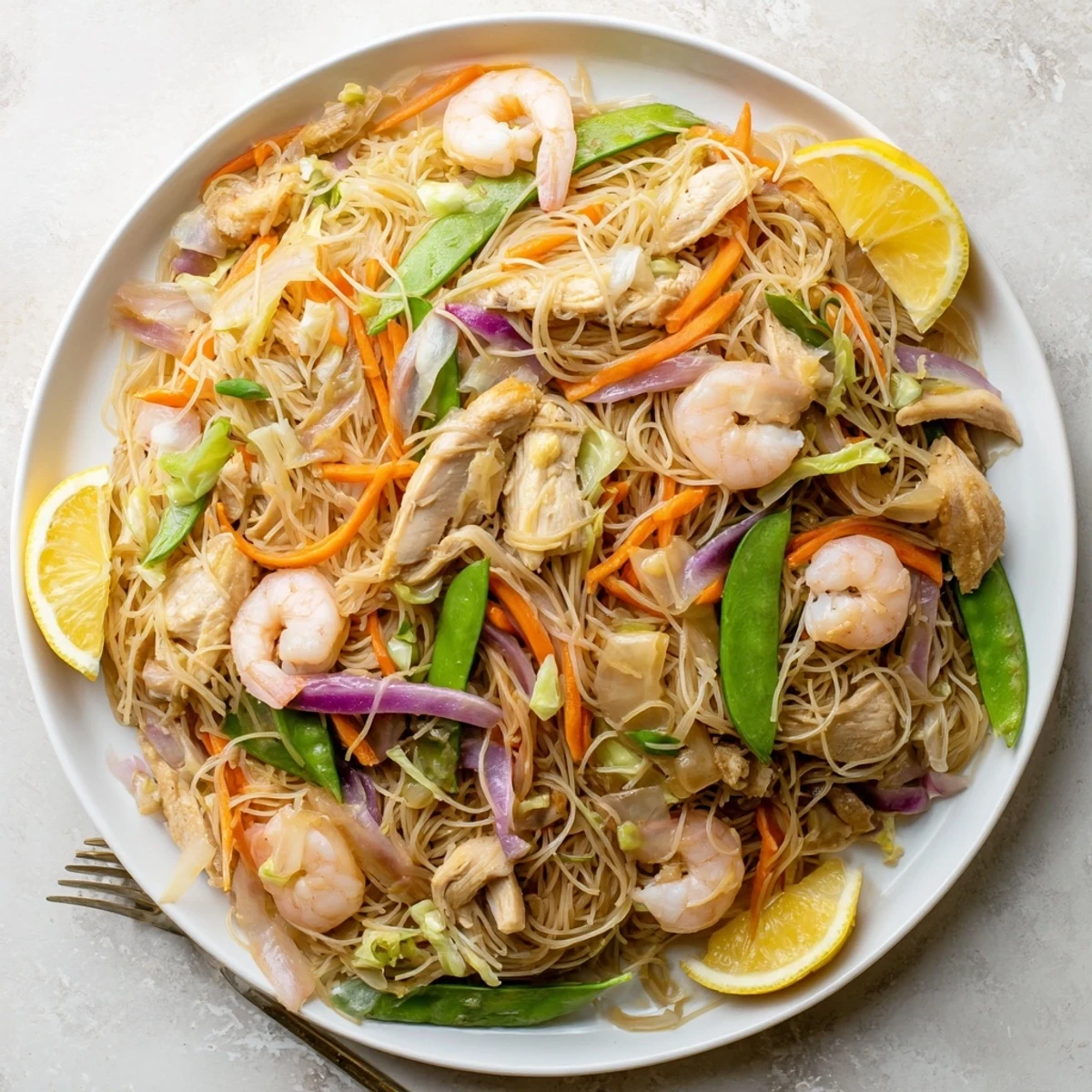
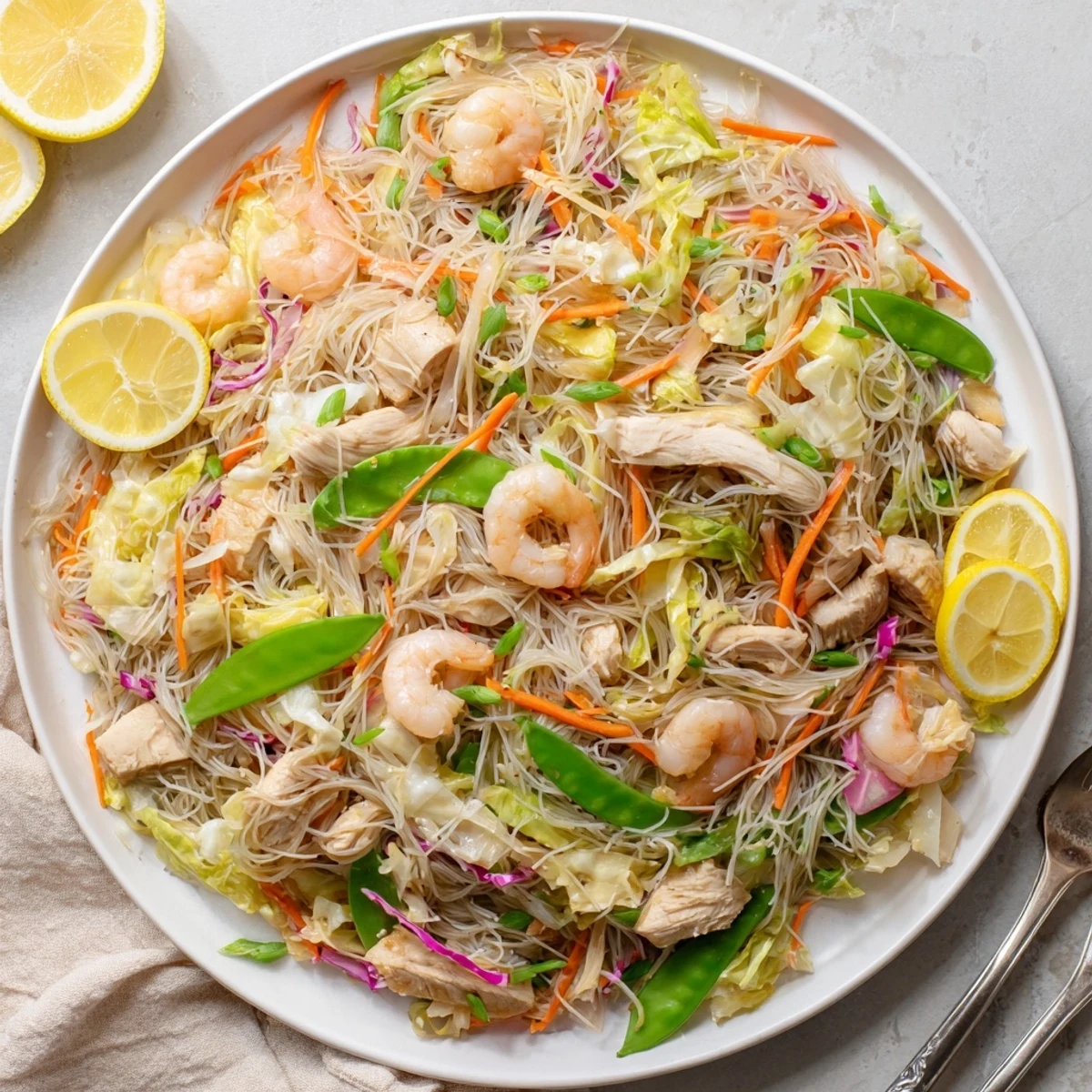
Save This classic Filipino stir-fry features tender bihon rice noodles cooked with succulent chicken, plump shrimp, and colorful vegetables like carrots, cabbage, and snow peas. The dish gets its signature flavor from a savory sauce combining soy sauce, oyster sauce, and fish sauce.
Ready in just 40 minutes, this comforting one-pan meal serves four and delivers a perfect balance of textures and tastes. The noodles absorb the rich, umami-packed sauce while staying perfectly tender. Garnished with fresh scallions and served with citrus wedges, it offers bright notes that complement the savory depths.
The smell of garlic hitting hot oil always pulls me into the kitchen, no matter what I was doing. My Lola made pancit bihon for every family gathering, and I still remember standing on a stool just to watch her hands move so quickly around the wok. She never measured anything, but her noodles always turned out perfectly coated and glossy. It took me years of making slightly dry or soggy batches to finally understand her rhythm.
Last Sunday, my neighbor texted asking what smelled so incredible. She ended up staying for dinner with her kids, and watching them scoop seconds was better than any compliment. Thats the thing about this dish, it brings people to the table without them even realizing theyre hungry.
Ingredients
- 200 g boneless skinless chicken breast thinly sliced: Thigh meat works too but breast stays tender and cooks faster
- 100 g medium shrimp peeled and deveined: Fresh shrimp makes a huge difference but frozen will do in a pinch
- 200 g dried bihon rice vermicelli noodles: These thin noodles absorb flavor beautifully so dont skip the soaking step
- 1 small carrot julienned: Adds a sweet crunch and bright color against the noodles
- 1 cup green cabbage shredded: Use Savoy cabbage for softer leaves or regular for more texture
- 1/2 cup snow peas trimmed and halved: They stay crisp and look gorgeous scattered throughout
- 1 small onion sliced: White onion is traditional but red works if thats what you have
- 3 cloves garlic minced: Fresh garlic only please the jarred stuff tastes off in this dish
- 2 tbsp soy sauce: This builds the savory base so use a good quality brand
- 1 tbsp oyster sauce: Adds depth and a slight sweetness that rounds everything out
- 1 tsp fish sauce: The secret ingredient that makes it taste authentic
- 1/2 tsp ground black pepper: Freshly cracked makes a noticeable difference
- 1 cup chicken broth: Homemade is best but low sodium store bought works perfectly
- 2 tbsp chopped scallions: Fresh green onion on top brings everything to life
- 1 lemon or calamansi cut into wedges: That hit of acid right before eating is nonnegotiable
Instructions
- Prep the noodles first:
- Soak bihon in warm water for 10 minutes until pliable then drain well and set aside where you can grab them easily
- Build your aromatic base:
- Heat oil in a large wok over medium high heat then sauté garlic and onion until fragrant and translucent
- Cook the proteins:
- Add chicken slices and cook until lightly browned and cooked through then toss in shrimp and stir fry until pink about 2 minutes
- Give them their own space:
- Remove chicken and shrimp from the pan and set aside so they dont overcook while you do the vegetables
- Stir fry the vegetables:
- In the same pan add carrots cabbage and snow peas stir frying for 2 to 3 minutes until just tender and still bright
- Bring everything together:
- Return cooked chicken and shrimp to the pan then pour in soy sauce oyster sauce fish sauce and chicken broth bringing it to a gentle simmer
- Add the noodles:
- Toss in drained bihon noodles using tongs to gently combine and help them absorb the sauce cooking for 3 to 4 minutes until heated through
- Season to perfection:
- Add black pepper and adjust salt or sauces to taste then transfer to a serving platter garnished with scallions and lemon wedges
 Save
Save My cousin admitted she always struggled with mushy noodles until she started timing her soak. Now her pancit bihon is the most requested dish at family potlucks. Thats the beautiful part of sharing recipes, we all help each other avoid those frustrating kitchen mistakes.
Making It Your Own
Once you master the basic technique, this dish welcomes endless variations. Some days I add bell peppers for extra color or mushrooms for more umami depth. The key is keeping the cooking sequence the same so everything stays at its perfect texture.
Serving Suggestions
Pancit bihon traditionally appears at birthday celebrations because the long noodles symbolize long life. I love serving it alongside simple grilled meats or as part of a bigger Filipino spread. It also makes incredible leftovers the flavors only get better overnight.
Perfecting The Noodles
The secret to restaurant quality pancit lies in how you handle the noodles in those final minutes. You want them glossy and coated but not swimming in sauce. I keep a little extra broth nearby just in case they start drying out too quickly.
- Use tongs instead of a spatula for better control
- Taste and adjust seasonings before the noodles finish absorbing
- Squeeze that calamansi or lemon right at the table
 Save
Save Theres something deeply satisfying about hearing people go quiet as they take their first bite. This dish feeds more than hunger, it feeds connection and thats the best kind of cooking.
Recipe FAQs
- → What makes Pancit Bihon different from other pancit varieties?
-
Pancit Bihon specifically uses thin rice vermicelli noodles, which are gluten-free and have a delicate texture. Unlike Pancit Canton made with wheat egg noodles, Bihon absorbs sauces more readily and has a lighter, silkier mouthfeel. The rice noodles also cook faster and pair beautifully with the soy-based sauce.
- → Can I prepare Pancit Bihon ahead of time?
-
Yes, you can prep ingredients in advance: slice vegetables, portion proteins, and soak noodles. However, it's best cooked fresh as rice noodles continue absorbing liquid and may become mushy. If storing leftovers, keep refrigerated and reheat gently with a splash of broth or water to refresh the sauce.
- → How do I prevent the noodles from sticking together?
-
Properly soaking and draining the noodles before cooking is essential. Toss them immediately with the sauce and vegetables using tongs to evenly coat. Adding a small amount of oil or additional broth during cooking helps prevent sticking. Keep the mixture moving in the wok for even heat distribution.
- → What can I substitute for the proteins?
-
Pork belly or shoulder works beautifully as a traditional alternative. For a lighter version, use only shrimp or add tofu cubes for vegetarian options. Sliced Chinese sausage adds a sweet-savory dimension. You can also use leftover roasted chicken or pork for a quick weeknight variation.
- → Why is calamansi served with Pancit Bihon?
-
Calamansi or lemon wedges provide acidity that cuts through the rich, savory sauce. Squeezing fresh citrus over the dish brightens flavors and balances the saltiness from soy and fish sauce. This traditional finishing touch adds complexity and enhances the overall dining experience.
- → What vegetables work best in Pancit Bihon?
-
Classic choices include carrots, cabbage, snow peas, and bell peppers for their crunch and color. Snap peas, green beans, or broccoli stems also work well. For added nutrition, consider bok choy, spinach, or kale. The key is using vegetables that maintain some texture during quick stir-frying.