
 Save
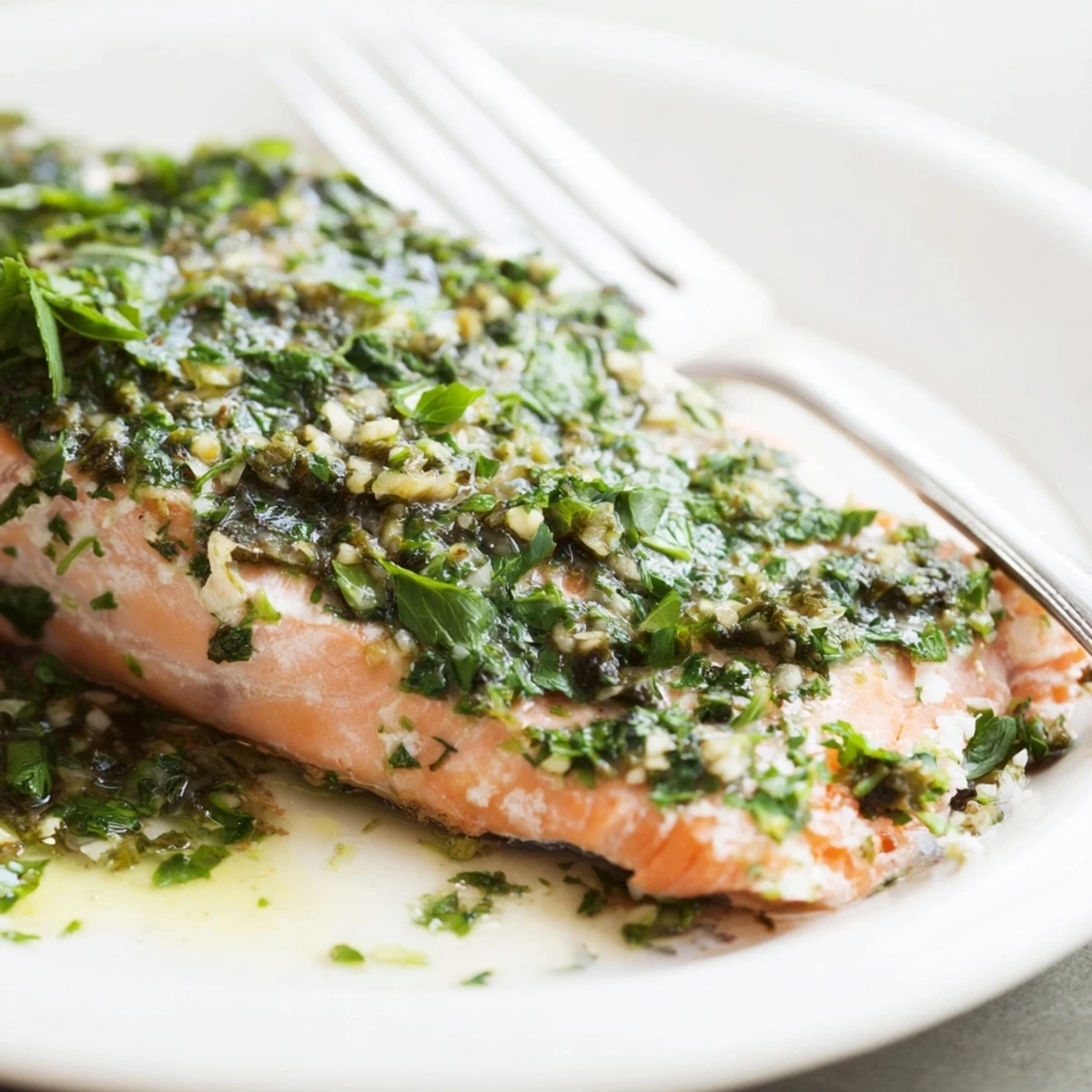
Save This dish features succulent salmon fillets baked to perfection and topped with a bright salsa verde made from fresh herbs, lemon, and olive oil. The vibrant salsa blends parsley, basil, chives, capers, and a hint of anchovy for depth, balancing the rich fish flavors. Easy to prepare with minimal ingredients, it suits gluten-free and pescatarian preferences while offering a refreshing, flavorful main course ideal for Mediterranean dining.
I discovered salsa verde on a warm evening when a friend brought fresh basil from their garden and insisted we do something green and bright with dinner. We had salmon in the freezer, and within minutes of chopping those herbs, the kitchen smelled alive in a way that made everything else feel ordinary. That night taught me that some of the best meals come from having good ingredients and being willing to let them shine without overthinking.
I made this for my family on a Tuesday when nobody was particularly excited about dinner, and something shifted the moment that green sauce hit the plate. My nephew, who usually picks at fish, asked for seconds and wanted to know what made it taste like that. Simple meals that change someone's mind about a food they thought they didn't like are worth remembering.
Ingredients
- Salmon fillets: Look for fillets that are similar in thickness so they cook evenly. I learned to gently press the flesh to make sure it springs back and doesn't feel mushy, which tells you the fishmonger took care of it.
- Flat-leaf parsley: This is the workhorse herb here; curly parsley will make the salsa gritty and won't give you that clean, bright flavor you're after.
- Fresh basil: Tear it by hand instead of cutting if you have time, since the knife can bruise delicate basil and turn it dark.
- Fresh chives: These add a whisper of onion without the harsh bite, so don't skip them even if you think you don't like onion flavor.
- Capers: Rinsing them removes extra salt and lets their briny, tangy quality come through without overwhelming the dish.
- Anchovy fillets: These are optional, but they dissolve into the salsa and add a savory depth you can't quite identify but makes people ask what's in it.
- Garlic clove: One small clove is enough; I learned this the hard way after making an aggressively garlicky batch that nobody touched.
- Lemon: Fresh lemon juice and zest are non-negotiable here; bottled juice tastes thin and tired by comparison.
- Extra-virgin olive oil: This is your main fat, so use one you actually like tasting, because you'll taste it clearly.
- Dijon mustard: Just a small amount acts as an emulsifier and adds a subtle grain that makes the salsa feel more sophisticated.
Instructions
- Heat your oven and prepare:
- Preheat to 200°C and line your tray with parchment paper so the salmon releases easily and cleanup feels like less of a chore. Room temperature parchment paper is easier to work with than crumpled or curled sheets.
- Season and place the salmon:
- Lay fillets on the tray, drizzle with olive oil, and season with salt and pepper. I like to let the oil coat my fingers and rub it gently across the fish rather than drizzling randomly, which helps it cook more evenly.
- Bake until just cooked through:
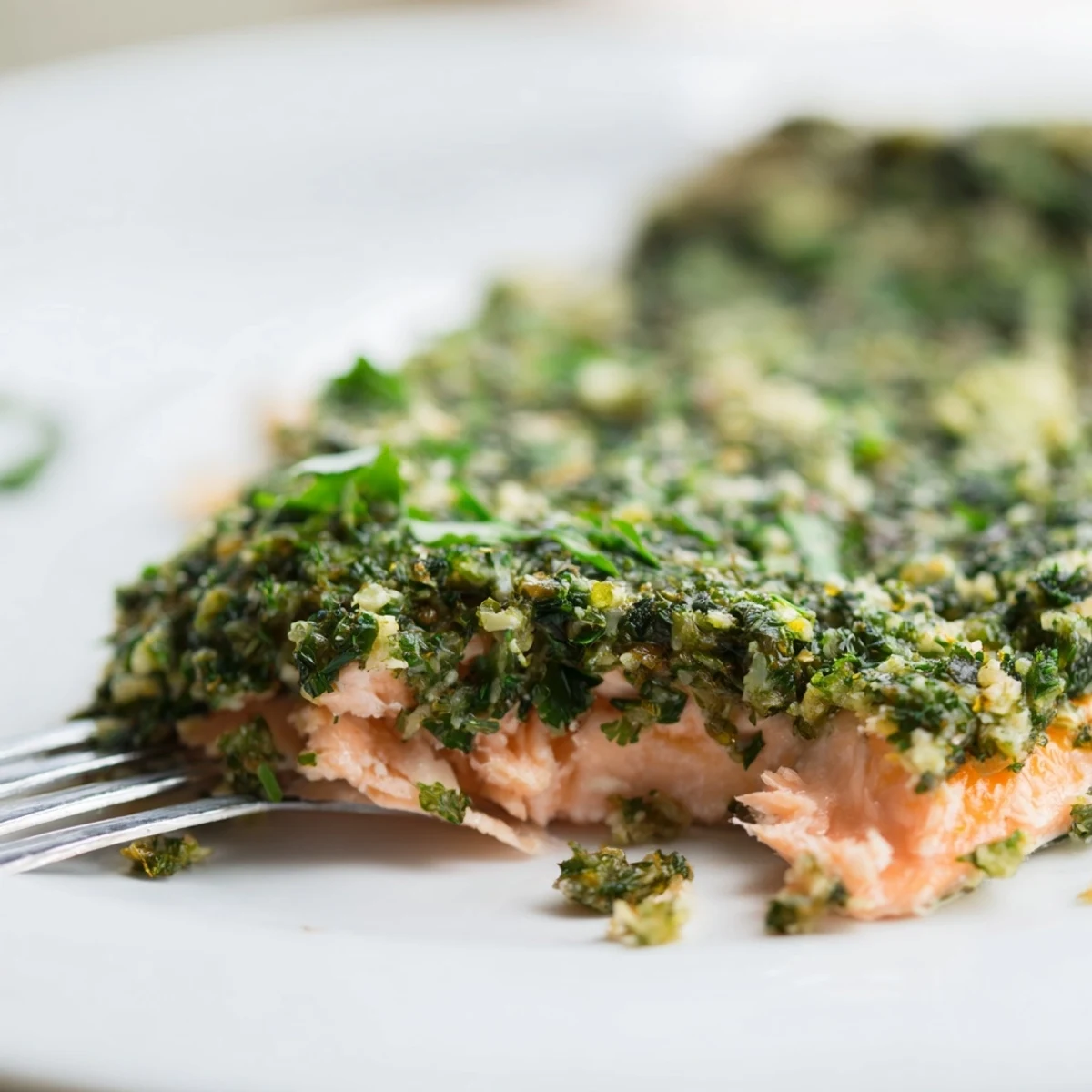
- This takes about 15 to 18 minutes, depending on how thick your fillets are. The salmon is done when it flakes with a gentle fork and the thickest part looks opaque, not translucent.
- Build the salsa verde while salmon bakes:
- Combine the chopped parsley, basil, chives, capers, and garlic in a bowl, then add lemon zest and juice. Whisk in the extra-virgin olive oil slowly so it emulsifies slightly, then taste and season with salt, pepper, and that mustard.
- Plate and serve:
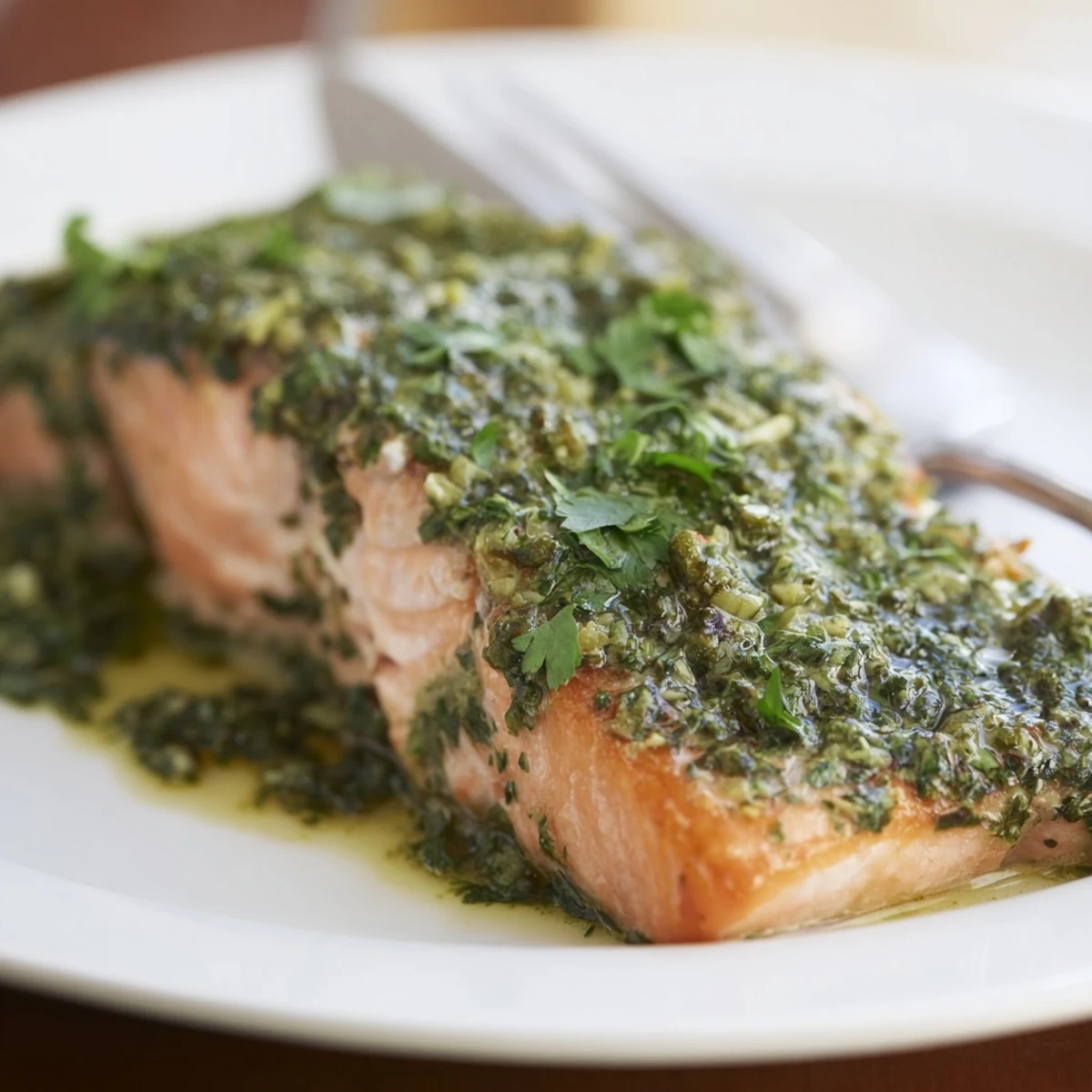
- Transfer the salmon to plates or a serving platter and spoon the salsa generously over each fillet so every bite has herbs and brightness. Serve right away while the salmon is still warm and the herbs smell alive.
 Save
Save There was a moment when I served this to someone who had decided fish wasn't for them, and watching their expression shift as they tasted that herbaceous brightness made me understand why people love feeding others. Food that tastes this alive changes how you feel about dinner.
Why Salsa Verde Changes Everything
Salsa verde is one of those techniques that works on almost any protein, and once you make it once, you'll start thinking about what else deserves it. I've spooned it over roasted chicken, drizzled it over white beans, and used it to revive a tired piece of grilled bread. The magic is that it tastes both bright and deeply savory at the same time, which makes simple ingredients feel intentional and cared for.
Serving and Pairing Ideas
Salmon and salsa verde want something starchy or fresh alongside them to balance the richness of the fish and the intensity of the herbs. Roasted potatoes with their crispy edges are perfect, as are tender greens with a light dressing. A crisp white wine like Sauvignon Blanc or Pinot Grigio cuts through the fat and echoes the citrus in the sauce, which is why they pair so naturally.
Make It Your Own
This recipe is forgiving in the way that the best cooking often is: you can adjust herbs based on what's in your garden or what looks good at the market. Some people love a whisper of mint, others add a handful of watercress for peppery depth. The salsa is yours to build, so taste as you go and don't be afraid to tip it toward what you love.
- If you prefer milder flavors, omit the anchovies and use half the garlic, letting the herbs take center stage instead.
- Make the salsa in advance if your day is busy, but keep it covered and chilled so the herbs stay bright and don't oxidize into an unappetizing brown.
- This meal disappears quickly, so if you're feeding more than four people, plan to double the salsa and add another salmon fillet per person.
 Save
Save This is the kind of meal that proves simple cooking doesn't mean boring cooking. It takes half an hour and tastes like you cared.
Recipe FAQs
- → How do I know when the salmon is done baking?
-
The salmon is fully cooked when it flakes easily with a fork and its internal temperature reaches 60°C (140°F). Baking for 15–18 minutes usually achieves this.
- → Can I prepare the salsa verde ahead of time?
-
Yes, salsa verde can be prepared in advance and chilled for up to two days to allow flavors to meld nicely.
- → What can I serve alongside baked salmon with salsa verde?
-
Roasted potatoes, fresh mixed salad, or steamed vegetables pair well, complementing the vibrant flavors of the salmon and salsa.
- → Is it necessary to include anchovies in the salsa verde?
-
Anchovies add a subtle umami depth, but they can be omitted for a milder version without greatly affecting the overall taste.
- → What wine pairs best with this dish?
-
A crisp Sauvignon Blanc or Pinot Grigio enhances the fresh herb and lemon notes, balancing the rich salmon.