
 Save
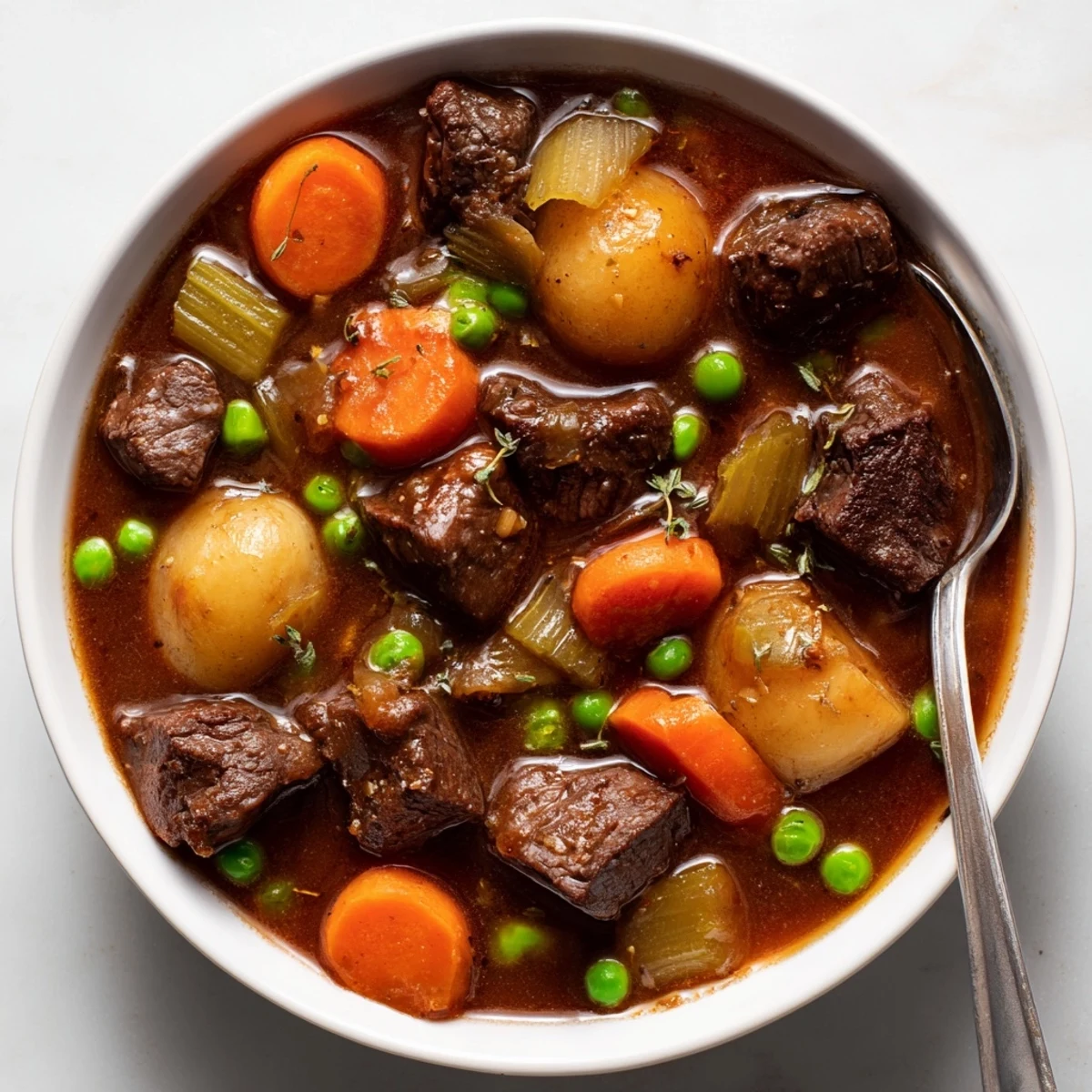
Save Brown beef chuck in batches, sauté onion and garlic, then stir in flour and tomato paste. Deglaze with red wine, add stock, carrots, potatoes, celery and herbs, then cover and simmer gently for about 2 hours. Uncover, add peas and cook until vegetables and meat are tender and the broth has thickened. Adjust seasoning and serve hot with crusty bread or buttered noodles; flavors develop even more when made ahead and reheated.
The rain was hammering against the kitchen window so hard I could barely hear the radio, and the only thing that felt right was pulling out the Dutch oven and cutting into a big slab of chuck roast. Something about the rhythmic chop of vegetables and the sizzle of beef hitting hot oil turns a miserable afternoon into something almost meditative. By the time the house filled with that deep, savory aroma, I had completely forgotten about the storm outside.
My neighbor Dave once knocked on my door during a snowstorm asking if I had any batteries, and he ended up staying for two bowls while his flashlight sat untouched on the counter.
Ingredients
- Beef chuck (2 lbs): Cut it into generous 1.5 inch cubes, because smaller pieces will turn to mush during the long simmer.
- Carrots (4 medium): Peel and slice them on a slight diagonal for even cooking and a nicer presentation.
- Potatoes (3 large): Dice them fairly large so they hold their shape instead of dissolving into the broth.
- Celery (2 stalks): Sliced thin, it melts into the background and adds a subtle earthiness most people cannot quite identify.
- Onion (1 large): Chopped rough is fine here since everything cooks down together anyway.
- Garlic (3 cloves): Minced fine so it distributes evenly through every spoonful.
- Frozen peas (1 cup): Entirely optional, but they bring a pop of color and sweetness right at the end.
- Beef stock (3 cups): Use a good quality brand or homemade if you have it, because this is the backbone of the entire flavor.
- Dry red wine (1 cup): It tenderizes the meat and adds complexity, though you can swap in more stock if you prefer to skip it.
- Tomato paste (2 tbsp): A small amount that deepens the color and rounds out the savory notes beautifully.
- Vegetable oil (2 tbsp): Has a higher smoke point than butter, which matters when you are searing beef at high heat.
- Salt and pepper: Season in layers throughout the process rather than dumping it all in at once.
- Bay leaves (2): Remember to fish them out before serving, because biting into one is an unpleasant surprise.
- Dried thyme (1 tsp): Rubs it between your palms before adding to release the essential oils.
- Paprika (half tsp): Adds a faint warmth without making the stew spicy.
- All purpose flour (2 tbsp): Coats the vegetables and thickens the broth as it simmers, or use cornstarch for a gluten free version.
Instructions
- Get the beef searing:
- Heat the oil in your Dutch oven over medium high heat until it shimmers, then season the beef cubes and brown them in batches so they get a proper crust instead of steaming in a crowded pot. Move each batch to a plate and resist the urge to stir them constantly.
- Build the flavor base:
- Turn the heat down to medium and drop in the onion and garlic, scraping up all those caramelized bits stuck to the bottom. Stir in the flour and tomato paste, letting them cook for about a minute until everything smells toasty and deeply savory.
- Bring it all together:
- Pour in the wine slowly, deglazing the pot and scraping up every last browned bit because that is where the best flavor lives. Return the beef and add the carrots, celery, potatoes, stock, bay leaves, thyme, and paprika, then give it a good stir.
- Let time do the work:
- Bring the stew to a boil, then drop the heat to low, cover it, and let it bubble gently for two hours, stirring every now and then just to make sure nothing sticks. This is when the kitchen starts smelling incredible and everyone starts asking when dinner is ready.
- Finish and thicken:
- Take the lid off, add the frozen peas if you are using them, and let it simmer uncovered for another fifteen minutes until the broth coats the back of a spoon. Remove the bay leaves, taste for salt and pepper, and adjust as needed before serving.
 Save
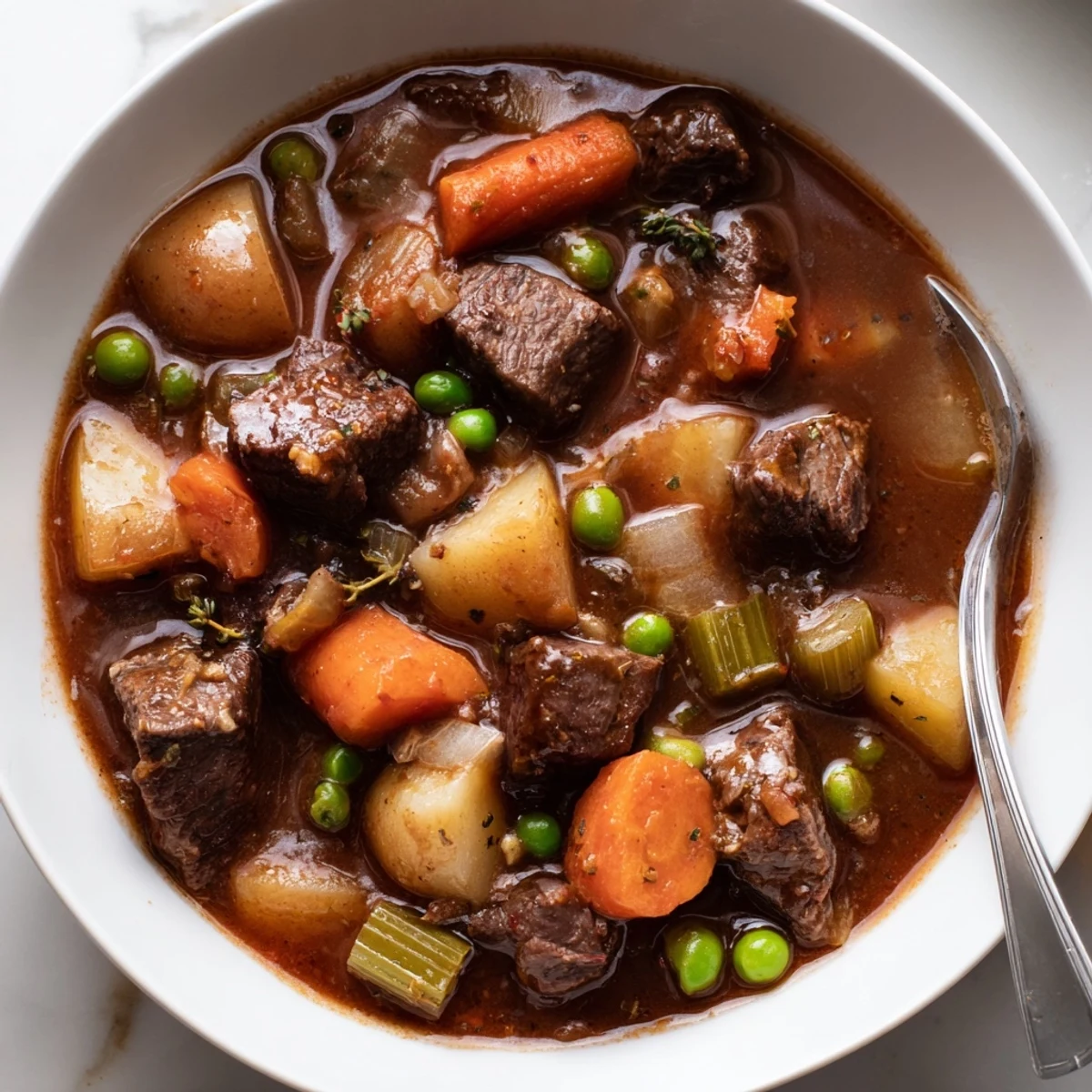
Save The best pot of stew I ever made was the one I almost ruined by forgetting it on the stove for an extra thirty minutes, which turned out to be the accidental secret to the most tender, concentrated broth I have ever tasted.
Serving Suggestions
Crusty bread is the obvious move, torn by hand and used to soak up every last bit of broth, but ladling this over buttered egg noodles on a cold Tuesday changes the whole week.
Making It Ahead
This stew was practically designed for leftovers, and the flavors meld overnight in the fridge into something richer and more cohesive than the day it was made. Just reheat it gently on the stove with a splash of water to loosen it back up.
Storing and Reheating
It keeps well in the refrigerator for up to four days in an airtight container, and it freezes beautifully for up to three months if you want to stash a batch for a night when cooking feels impossible.
- Let the stew cool completely before freezing so ice crystals do not ruin the texture of the potatoes.
- Reheat from frozen in a pot over low heat with the lid on, stirring occasionally until heated through.
- Always taste and re season after reheating because cold storage can mute the salt and spices.
 Save
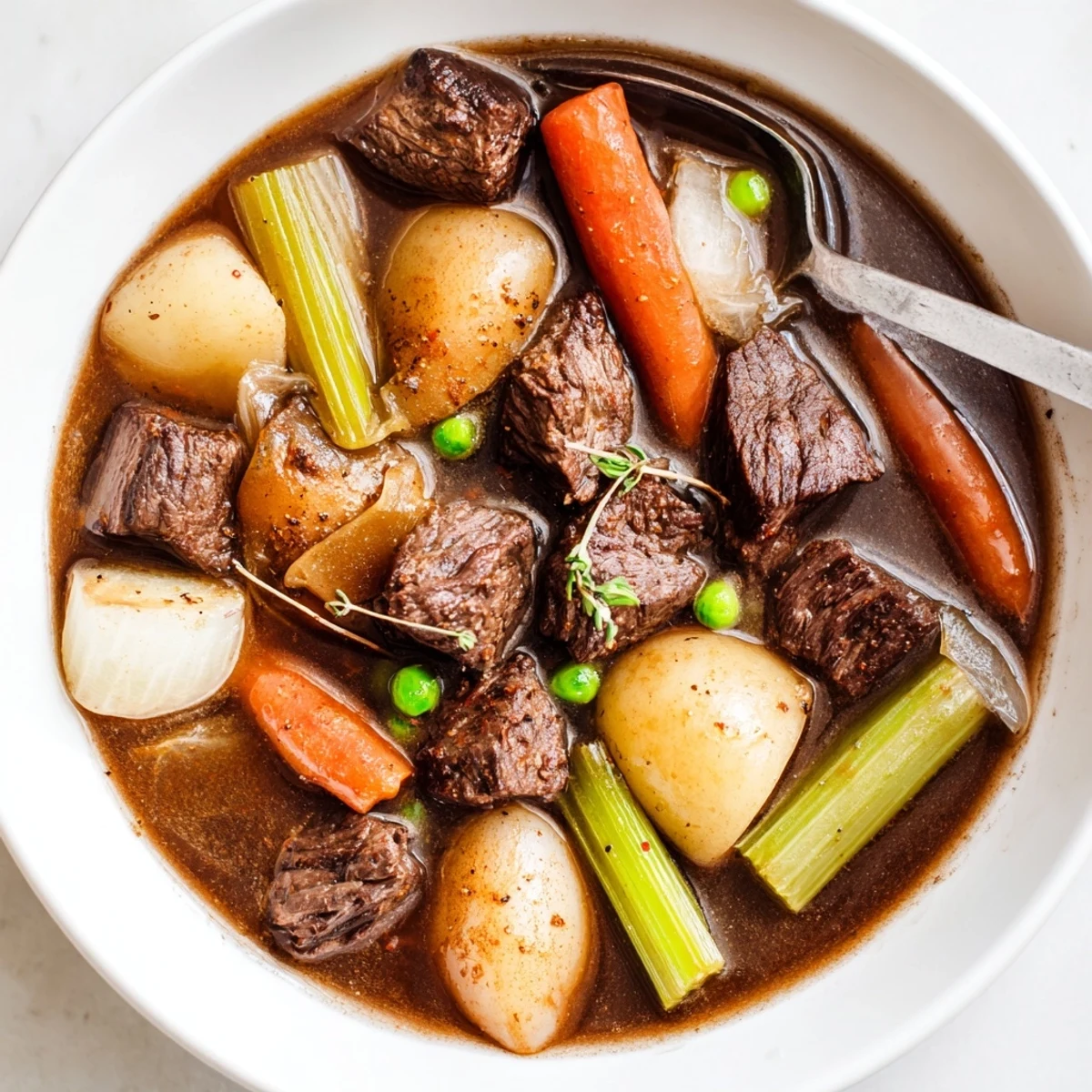
Save Some meals just ask you to slow down and stand at the stove with a wooden spoon, and this is one of them. Your patience will be rewarded with a pot of something that feels like home.
Recipe FAQs
- → How do I get the best browning on the beef?
-
Pat the cubes dry, season well, and brown in a hot pan without overcrowding. Work in batches to ensure a deep, caramelized crust that adds rich flavor to the broth.
- → Can I skip the red wine?
-
Yes. Replace the wine with additional beef stock or a splash of balsamic vinegar for acidity; the wine primarily adds depth, but stock keeps the braise flavorful.
- → How can I make the stew gluten-free?
-
Use cornstarch or a gluten-free flour blend instead of all-purpose flour as the thickener, and verify that any packaged stock or seasonings are labeled gluten-free.
- → What’s the best way to thicken the broth?
-
Toss the beef in flour before browning or mix cornstarch with cold water and stir in near the end of cooking. Simmer uncovered after adding the thickener to reach the desired consistency.
- → How should I reheat leftovers for best results?
-
Gently reheat on the stovetop over low heat, stirring occasionally. If the broth is too thick after chilling, add a splash of stock or water and warm through until piping hot.
- → Can I use a slow cooker instead of the stovetop?
-
Yes. After browning the beef and sautéing the aromatics, transfer everything to a slow cooker. Cook on low for 6–8 hours or until the meat is fork-tender, then add peas near the end.