
 Save
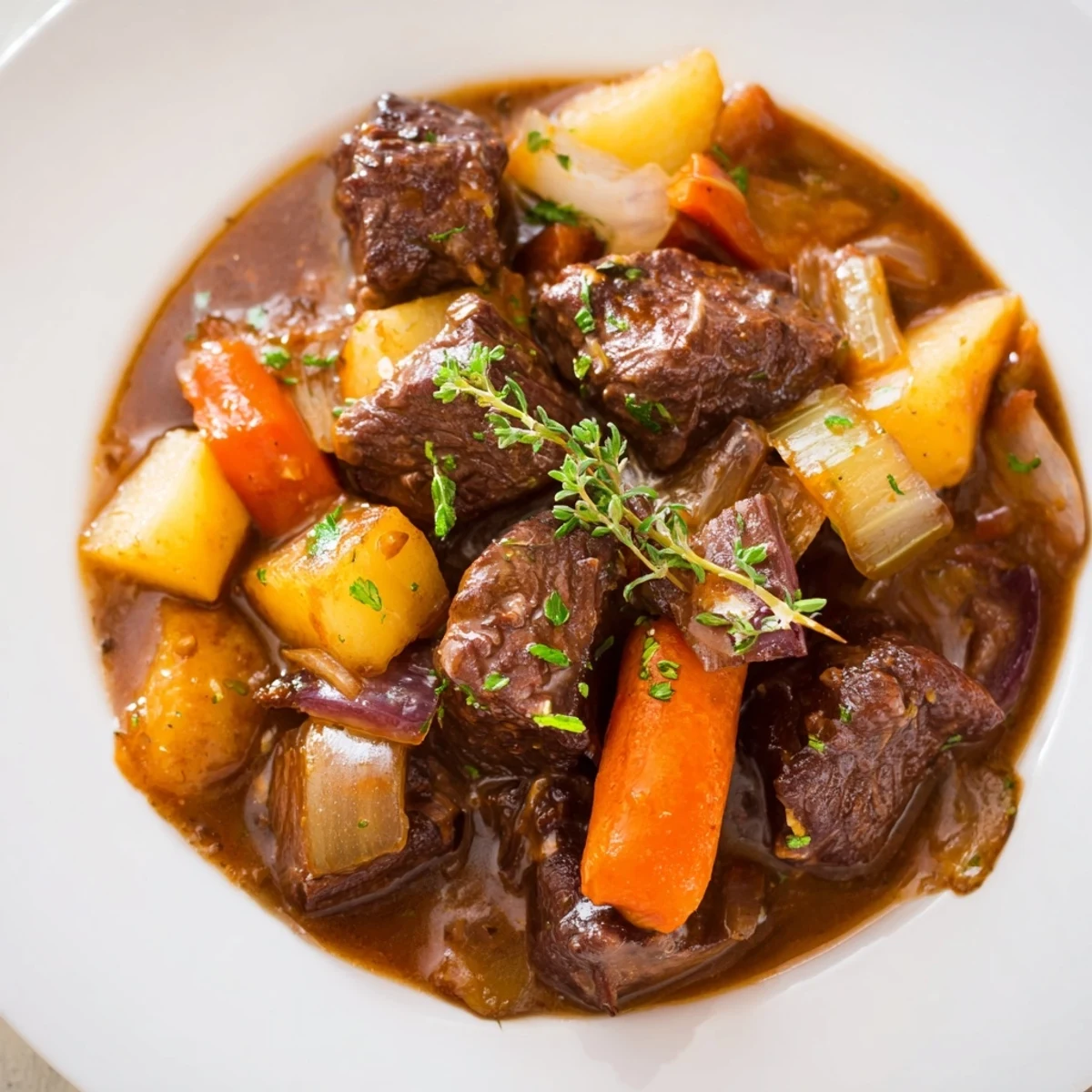
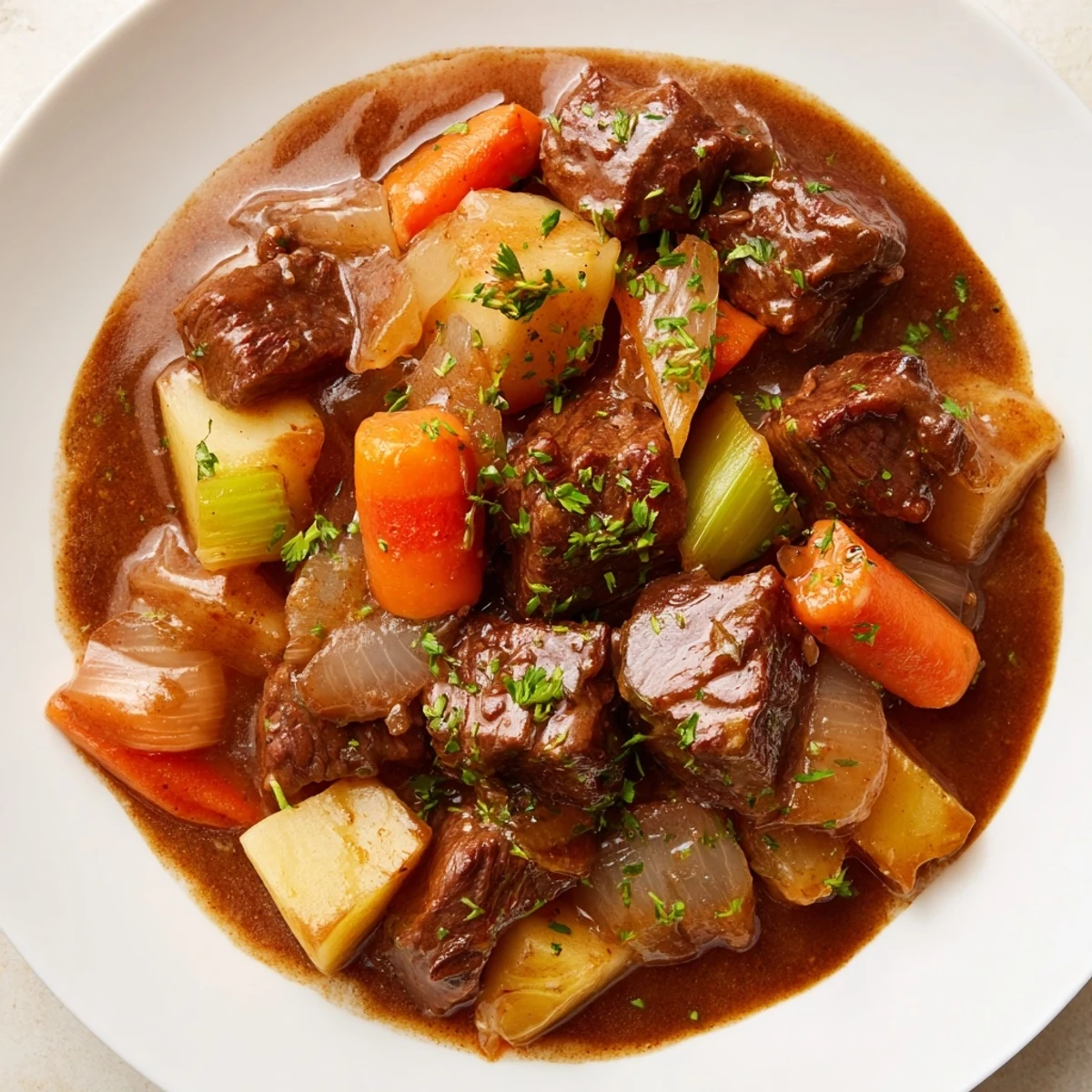
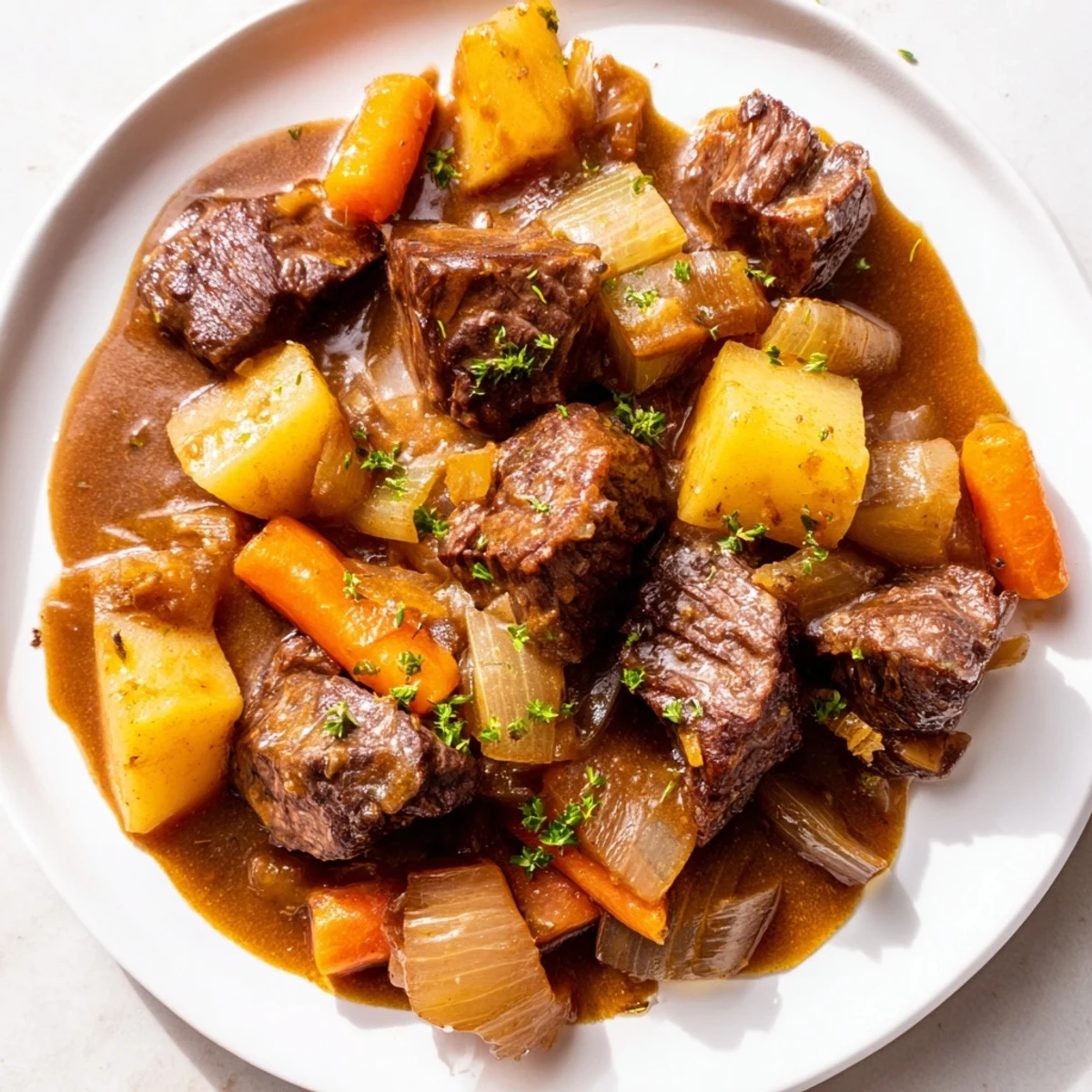
Save This dish features tender beef chunks slowly simmered alongside a medley of root vegetables like carrots, parsnips, and rutabaga. Sautéed aromatics and spices enrich the flavor in a savory broth enhanced by red wine and Worcestershire sauce. Long, gentle cooking results in melt-in-your-mouth beef and perfectly tender vegetables, creating a hearty and satisfying main course. Garnished with fresh parsley, it's an ideal comforting option for cooler days.
The first time I made beef stew, I was snowed in for three days and had nothing but a random assortment of root vegetables and a chuck roast I'd bought on impulse. That stew got us through the storm, and something about the way the house smelled while it simmered made the isolation feel cozy instead of lonely.
I once served this to my father-in-law who claimed to hate stew, and he went back for thirds. Watching someone change their mind about something they'd been certain about for decades, all because of one perfectly cooked meal, that's the magic of slow cooking.
Ingredients
- Beef chuck: Chuck roast has the perfect marbling for long cooking, becoming tender while still holding its shape
- Carrots and parsnips: These sweet root vegetables balance the savory richness and add beautiful color
- Potatoes: They thicken the broth naturally and become creamy soft in the stew
- Onion and celery: The aromatic foundation that builds depth from the very first step
- Garlic: Minced fresh adds a pungent kick that mellows beautifully during simmering
- Rutabaga or turnip: This secret ingredient adds an earthy, slightly bitter note that cuts through the richness
- Beef stock: Use a high-quality stock or homemade for the best flavor foundation
- Dry red wine: Adds acidity and complexity, any drinkable red works wonderfully
- Tomato paste: Concentrates the umami and gives the broth a deep, rich color
- Worcestershire sauce: The hidden ingredient that adds savory depth everyone notices but cant quite identify
- Bay leaves, thyme, and rosemary: Classic herbs that complement beef without overpowering
- Salt and pepper: Season generously at each stage to build layers of flavor
- Olive oil: For browning the beef properly, creating those flavorful browned bits
- All-purpose flour: Helps thicken the stew slightly and creates a velvety texture
- Fresh parsley: A bright finish that makes the whole dish look and taste freshly made
Instructions
- Season the beef:
- Pat those cubes completely dry with paper towels, then sprinkle salt and pepper over every surface like you're coating them for a good sear
- Brown in batches:
- Heat olive oil in your Dutch oven until it shimmers, then add beef without crowding the pot, letting each batch develop a dark, crusty exterior before setting aside
- Build the base:
- Lower the heat and sauté onion and celery until they're softened and fragrant, about four minutes, then stir in garlic for just one minute until it blooms
- Add the flour:
- Sprinkle flour over the vegetables and stir constantly for a minute or two, cooking out the raw taste while forming a roux that will thicken your stew
- Deglaze with wine:
- Stir in tomato paste until everything's coated, then pour in the red wine and scrape up every bit of flavor from the bottom with your wooden spoon
- Combine and simmer:
- Return beef to the pot, add stock, Worcestershire, and herbs, bring everything to a gentle bubble, then cover and cook on low for an hour and a half
- Add root vegetables:
- Stir in carrots, parsnips, potatoes, and rutabaga, cover again, and let everything simmer together for another 45 to 60 minutes until a fork slides easily through the beef
- Finish and serve:
- Fish out the bay leaves, taste and adjust the seasoning, then sprinkle fresh parsley over each bowl like confetti
 Save
Save My youngest daughter once asked if we could have stew every Sunday, and now it's become our unofficial family tradition. Those winter afternoons spent around the table, dipping crusty bread into rich broth, have become some of my favorite memories.
Making It Your Own
I've experimented with adding mushrooms halfway through cooking, and their earthy flavor blends seamlessly with the root vegetables. Sometimes I throw in a splash of balsamic vinegar during the last ten minutes, just enough to brighten everything without making it taste like salad dressing.
The Leftover Situation
This stew honestly improves overnight, as the flavors continue to develop and the beef absorbs even more of the broth. I've been known to make a double batch just so I can freeze portions for those nights when cooking feels impossible.
Serving Suggestions
Crusty bread is non-negotiable here, something with a sturdy crumb that can stand up to dunking without falling apart. A simple green salad with sharp vinaigrette cuts through the richness beautifully, and a robust red wine like Cabernet Sauvignon ties everything together.
- Mashed potatoes make an incredible bed for the stew if you want extra comfort
- Sprinkle extra fresh herbs like thyme or rosemary right before serving for aromatics
- Keep some hot sauce on the table for those who like a little kick
 Save
Save There's something deeply satisfying about making a stew, about taking humble ingredients and transforming them into something that warms people from the inside out. Hope this becomes one of your go-to recipes too.
Recipe FAQs
- → What cut of beef works best for this stew?
-
Beef chuck cut into cubes is ideal due to its marbling, which breaks down during slow cooking, resulting in tender, flavorful meat.
- → Can I substitute the root vegetables?
-
Yes, you can swap rutabaga with turnip or sweet potatoes to suit your taste and seasonal availability.
- → How do I thicken the stew broth?
-
Sautéing flour with the vegetables before adding liquids helps thicken the broth naturally during simmering.
- → What is the purpose of red wine in the cooking process?
-
Red wine adds depth and complexity to the broth, enhancing its rich and savory flavor profile.
- → How long should the stew be cooked for best results?
-
Simmering the beef and vegetables low and slow for about 2 to 2.5 hours ensures tender meat and well-cooked vegetables.
- → Can this dish be gluten-free?
-
Yes, use gluten-free flour and verify Worcestershire sauce to ensure the dish is safe for gluten-sensitive diets.