
 Save
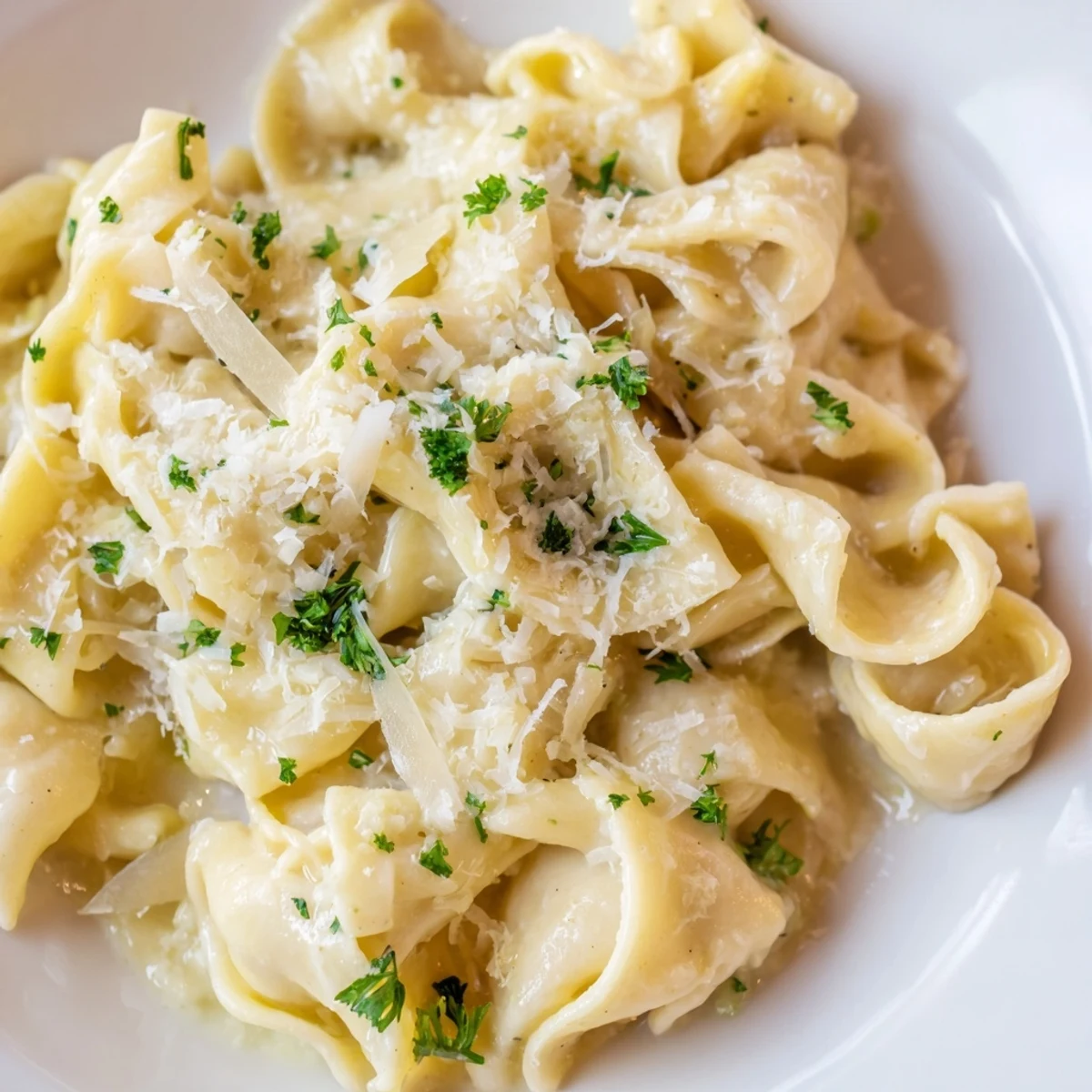
Save These noodles capture the essence of classic cafeteria comfort food. Wide egg noodles cook until perfectly tender, then get coated in a homemade white sauce built from butter, caramelized onions, and garlic. The creamy base combines milk, broth, and heavy cream for luxurious texture, finished with grated Parmesan for savory depth. From stovet to table in just 30 minutes, this dish delivers the same satisfying flavors you remember from school lunch.
The fluorescent hum of my elementary school cafeteria is burned into my memory, and so is the smell of those buttery, velvet textured noodles that somehow made everything feel okay on a rainy Tuesday. I spent years trying to recreate that specific creaminess at home, always falling short until I realized the secret was treating the sauce like a labor of patience rather than a quick throw together. This recipe is the result of countless Tuesday nights standing over a skillet, whisk in hand, chasing that childhood comfort.
My friend Jake stopped by unannounced one February evening while I was testing this recipe for the fourth time, and he ended up standing at the stove eating straight from the skillet with a wooden spoon. We never made it to the dining table that night, and he still texts me asking when Im making those noodles again.
Ingredients
- Wide egg noodles (12 oz): The wide shape is non negotiable because it catches and holds the sauce in those gorgeous little folds, creating the perfect ratio in every bite.
- Unsalted butter (2 tbsp): Gives the roux its toasty foundation and adds a subtle richness that oil simply cannot replicate here.
- Small yellow onion, finely chopped: One small onion adds sweetness and depth without overwhelming the creamy base.
- Garlic, 2 cloves minced: Fresh garlic makes a noticeable difference, so skip the jarred version for this recipe.
- All-purpose flour (3 tbsp): This is the thickening backbone of your sauce, and measuring carefully ensures the right consistency.
- Whole milk (2 cups): Whole milk creates that cafeteria style velvety texture, and lower fat milks will leave the sauce too thin.
- Low-sodium broth (1 cup): Vegetable or chicken broth both work beautifully and add savory complexity without making the dish overly salty.
- Heavy cream (1/2 cup): This is what pushes the sauce from good to unforgettable, adding body and that luxurious mouthfeel.
- Salt, black pepper, and garlic powder: Simple seasonings that layer flavor, and the garlic powder reinforces the fresh garlic without competing with it.
- Grated Parmesan cheese (1/2 cup): Freshly grated melts far more smoothly than pre shredded, which contains anti caking agents that can make the sauce grainy.
- Fresh parsley and extra Parmesan for garnish: Optional but highly recommended because the bright green contrast and extra saltiness on top make each bowl feel finished.
Instructions
- Boil the noodles with intention:
- Bring a large pot of generously salted water to a rolling boil and cook the egg noodles just until al dente, which usually means one minute less than the package says. You want them to still have a slight chew because they will soak up sauce later.
- Build the aromatic base:
- Melt the butter in a large skillet over medium heat, then add the chopped onion and let it soften until translucent and sweet smelling, about three to four minutes. Toss in the minced garlic and stir for just thirty seconds until fragrant, being careful not to let it brown.
- Make the roux:
- Sprinkle the flour evenly over the onion and garlic, then stir constantly for one full minute. You will see it turn slightly golden and smell faintly toasted, which means the raw flour taste has cooked out.
- Create the sauce foundation:
- Pour in the milk and broth gradually while whisking vigorously to prevent any lumps from forming. Bring the mixture to a gentle simmer and let it cook for three to four minutes, watching it transform from watery to a silky, coating consistency.
- Finish with cream and cheese:
- Stir in the heavy cream, salt, pepper, and garlic powder, letting everything bubble together for two more minutes. Pull the skillet off the heat momentarily to add the Parmesan, stirring until it melts completely into a glossy, smooth sauce.
- Bring it all together:
- Add the drained noodles directly into the skillet and fold them gently through the sauce using tongs or a large spoon. Every noodle should glisten evenly, and if the sauce seems too thick, a splash of reserved pasta water will loosen it perfectly.
- Taste and adjust:
- Take a moment to taste before serving because a small pinch more salt or a twist of black pepper can elevate the entire dish. Trust your palate here rather than following measurements blindly.
- Serve with love:
- Transfer to warm bowls immediately and finish with a scattering of fresh parsley and an extra shower of Parmesan if you are feeling generous. This dish waits for no one, so call everyone to the table before you plate.
 Save
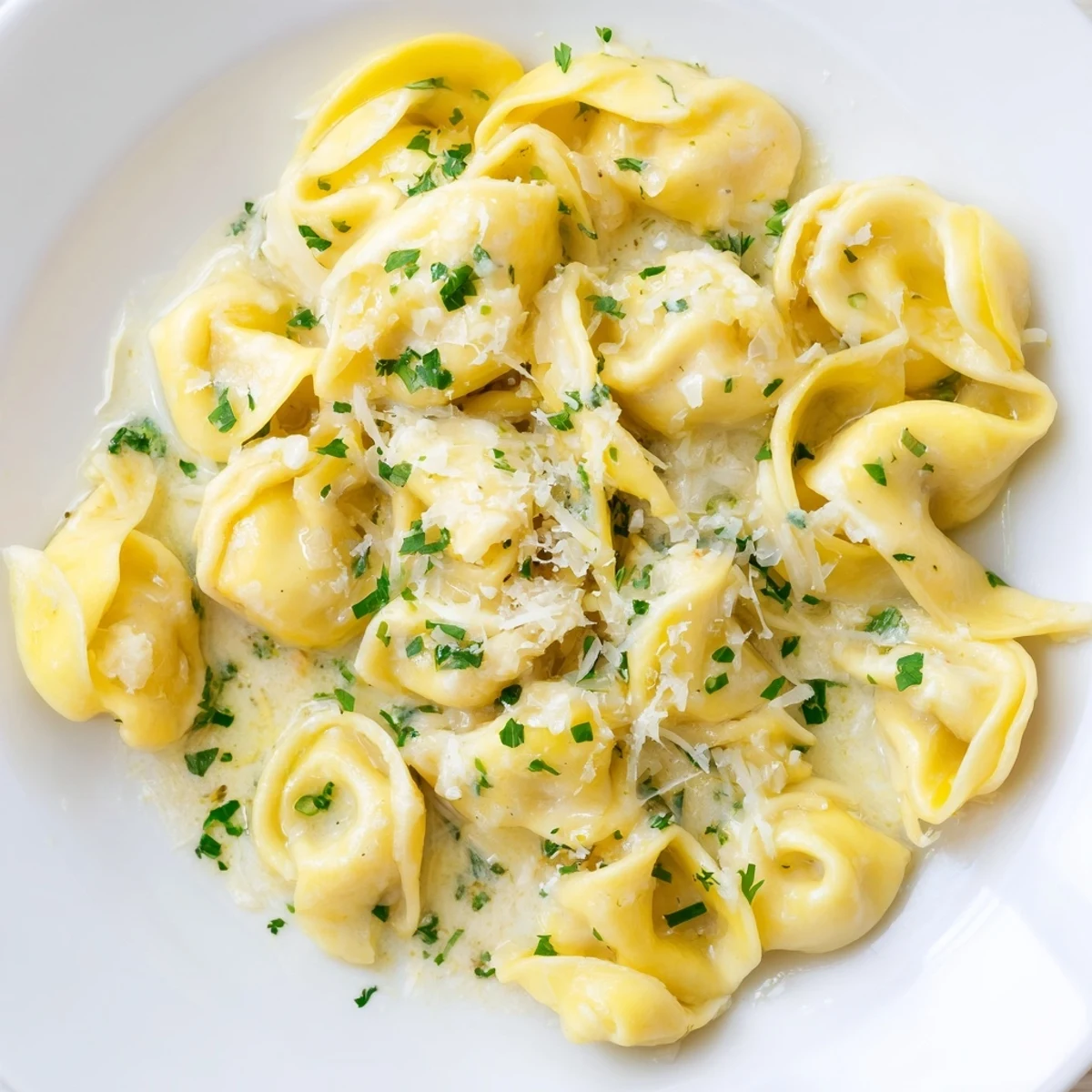
Save There is something about a steaming bowl of these creamy noodles that turns an ordinary weeknight into a small celebration of comfort. It became our household shorthand for rough days and cold evenings.
Making It Your Own
This recipe is a willing canvas for whatever you have lingering in the refrigerator. Diced cooked chicken or ham folded in at the end transforms it into a complete meal, and a handful of sautéed mushrooms adds an earthy depth that surprises people every time. Steamed green beans or a crisp green salad on the side provide a welcome crunch that balances the richness beautifully.
Vegan Swaps That Actually Work
Plant based butter, oat milk, and a good quality vegan Parmesan style cheese will get you remarkably close to the original. The texture might be slightly lighter, but the comfort factor remains fully intact.
Storing and Reheating Like a Pro
Leftovers keep beautifully in an airtight container in the refrigerator for up to three days, and the sauce actually deepens in flavor overnight. When reheating, do it low and slow on the stovetop with a splash of milk stirred in to bring the creamy texture back to life.
- Avoid microwaving on high power because the sauce can break and separate unevenly.
- Freeze individual portions for up to one month, though the texture will be slightly less luxurious after thawing.
- Always save a half cup of pasta cooking water before draining because it is liquid gold for rescuing a sauce that has thickened too much.
 Save
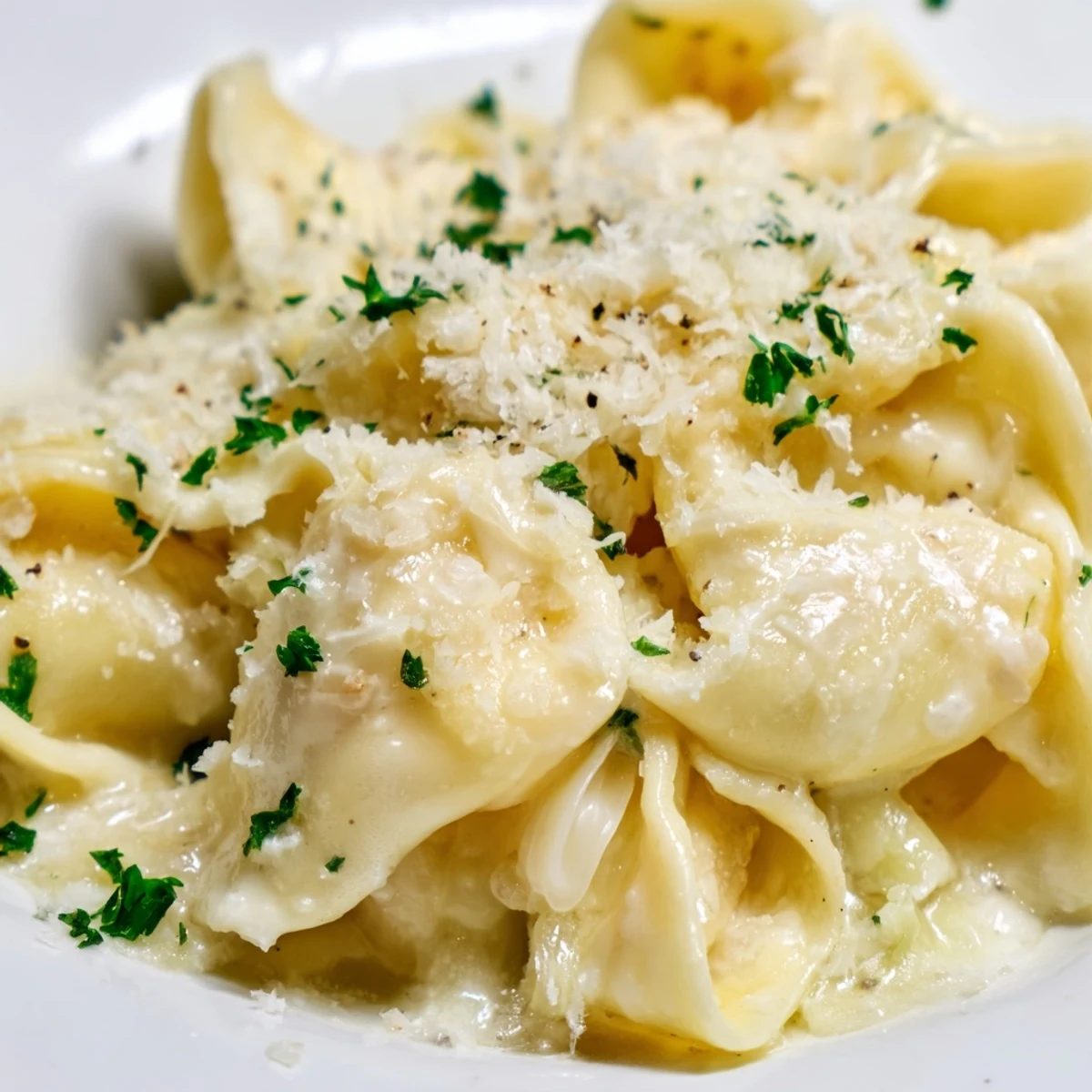
Save Some recipes become part of your rotation because they are impressive, and others earn their place because they simply make people happy. These creamy cafeteria noodles are firmly in the second category, and that is exactly where they belong.
Recipe FAQs
- → What makes cafeteria noodles special?
-
The magic lies in the creamy sauce that clings to every noodle. Unlike plain buttered pasta, these noodles swim in a rich, velvety mixture of milk, broth, and heavy cream, enhanced with sautéed onions and garlic. The sauce thickens perfectly to coat each strand, creating that familiar comforting texture.
- → Can I make this dish ahead of time?
-
Yes, though the sauce will thicken as it cools. Store in an airtight container in the refrigerator for up to 3 days. When reheating, add a splash of milk or broth to restore the creamy consistency. Warm gently over low heat, stirring occasionally.
- → What type of noodles work best?
-
Wide egg noodles are traditional for this dish because their broad surface area holds sauce beautifully. You can substitute with fettuccine, tagliatelle, or even macaroni in a pinch. Just adjust cooking time according to package directions to achieve al dente texture.
- → How do I prevent the sauce from becoming lumpy?
-
Whisk the flour constantly when creating the roux to prevent clumping. When adding liquids, pour slowly while whisking vigorously to incorporate smoothly. Keep the heat at medium or medium-low—too high can cause the sauce to separate or become grainy.
- → What proteins can I add?
-
Diced cooked chicken, ham, or turkey work wonderfully. For vegetarian options, try sautéed mushrooms, white beans, or chickpeas. Add protein during the final 2 minutes of cooking just to heat through, or stir it in when combining the noodles with the sauce.