
 Save
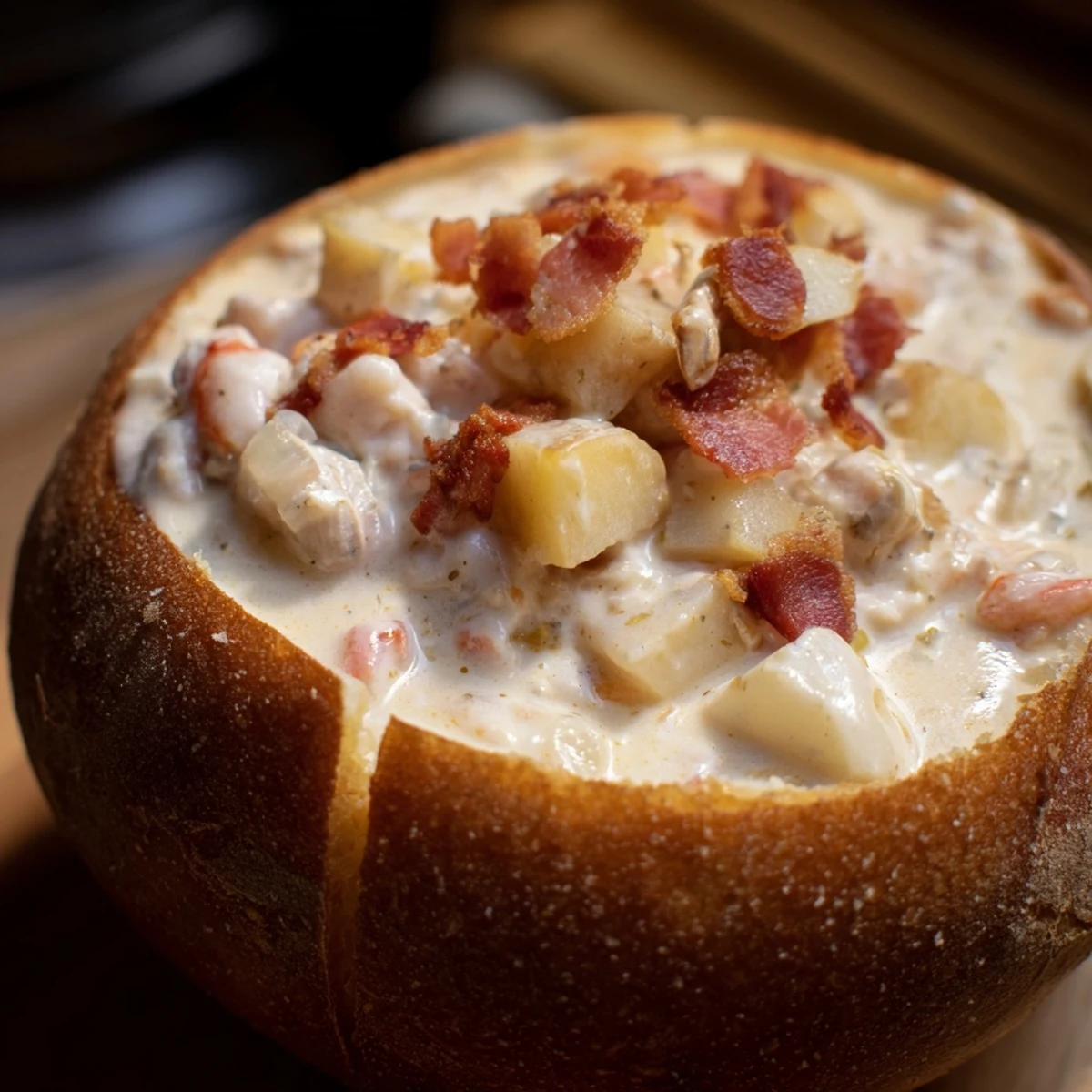
Save A luxurious take on classic New England clam chowder featuring succulent clams, tender potatoes, and crispy bacon in a creamy, velvety base. Served directly in toasted sourdough bread bowls for an impressive presentation and added texture. Ready in just one hour with medium-level cooking skills required.
Perfect for seafood lovers seeking authentic comfort food that delivers restaurant-quality results at home.
The rhythmic sound of my wooden spoon stirring creamy broth against the pot's edge always takes me back to my first winter in Boston. Standing in that tiny apartment kitchen with the windows fogged up, I discovered authentic clam chowder wasn't the thin, watery soup I'd known, but this glorious, velvety creation that steamed with promise when ladled into a sourdough bread bowl. Something about the contrast of that crisp, tangy bread against the rich, smoky soup created an instant comfort food memory.
Last Christmas Eve, when the power went out during an unexpected storm, this chowder saved our holiday dinner. By candlelight, we huddled around steaming bread bowls of clam chowder, telling stories as the wind howled outside. Even my seafood-skeptical nephew cleaned his bowl completely, asking for the hollowed-out bread top to soak up every last drop.
Ingredients
- Canned clams: I actually prefer high-quality canned clams for consistency, though I discovered that reserving their juice and adding it to the broth creates a remarkably authentic ocean flavor.
- Bacon: After years of experimentation, I found thick-cut bacon provides the perfect balance of smoky depth without overpowering the delicate clam flavor.
- Russet potatoes: Their starchy nature helps thicken the chowder naturally, creating that signature creamy texture that defines a proper New England chowder.
- Sourdough bread bowls: Look for dense, crusty loaves with a tight crumb that wont leak when filled with hot soup.
Instructions
- Prepare your flavor base:
- In a large pot over medium heat, cook those bacon pieces until theyre perfectly crisp and the fat has rendered into a fragrant pool. The kitchen will fill with that irresistible bacon aroma that somehow makes everyone suddenly appear asking whats for dinner.
- Build the aromatics:
- Add butter to the bacon fat and watch it melt into golden goodness, then toss in your diced vegetables. Listen for that satisfying sizzle as they hit the hot fat, stirring occasionally until they soften and become translucent.
- Create your roux:
- Sprinkle flour over those vegetables and keep stirring continuously. Youll notice it forming a paste that coats everything, which is exactly what we want for that silky chowder texture later.
- Develop the broth:
- This is where patience pays off as you gradually whisk in your liquids, watching the mixture transform from a thick paste to a smooth, velvety base. Add those potatoes and seasonings, then let everything simmer until the potatoes yield easily when pierced with a fork.
- Finish with tenderness:
- Gently stir in those delicate clams and cooked bacon pieces. The soup will take on a beautiful creamy complexion with specks of pink and white dancing throughout.
- Prepare your bread vessels:
- Transforming regular sourdough loaves into edible bowls feels like a bit of culinary magic. Carefully hollow out each bread round, saving those centers for dipping later.
- Serve with flair:
- Ladle that piping hot chowder into your waiting bread bowls. Theres something wonderfully primal about eating both your soup and the vessel it came in.
 Save
Save On my sisters birthday last year, she specifically requested this chowder instead of going out to her favorite restaurant. As we sat around my dining table, each with our bread bowls steaming before us, she confessed shed been craving it for months while studying abroad. The look of pure contentment on her face as she took that first spoonful made all the careful preparation worthwhile.
Perfecting Your Bread Bowls
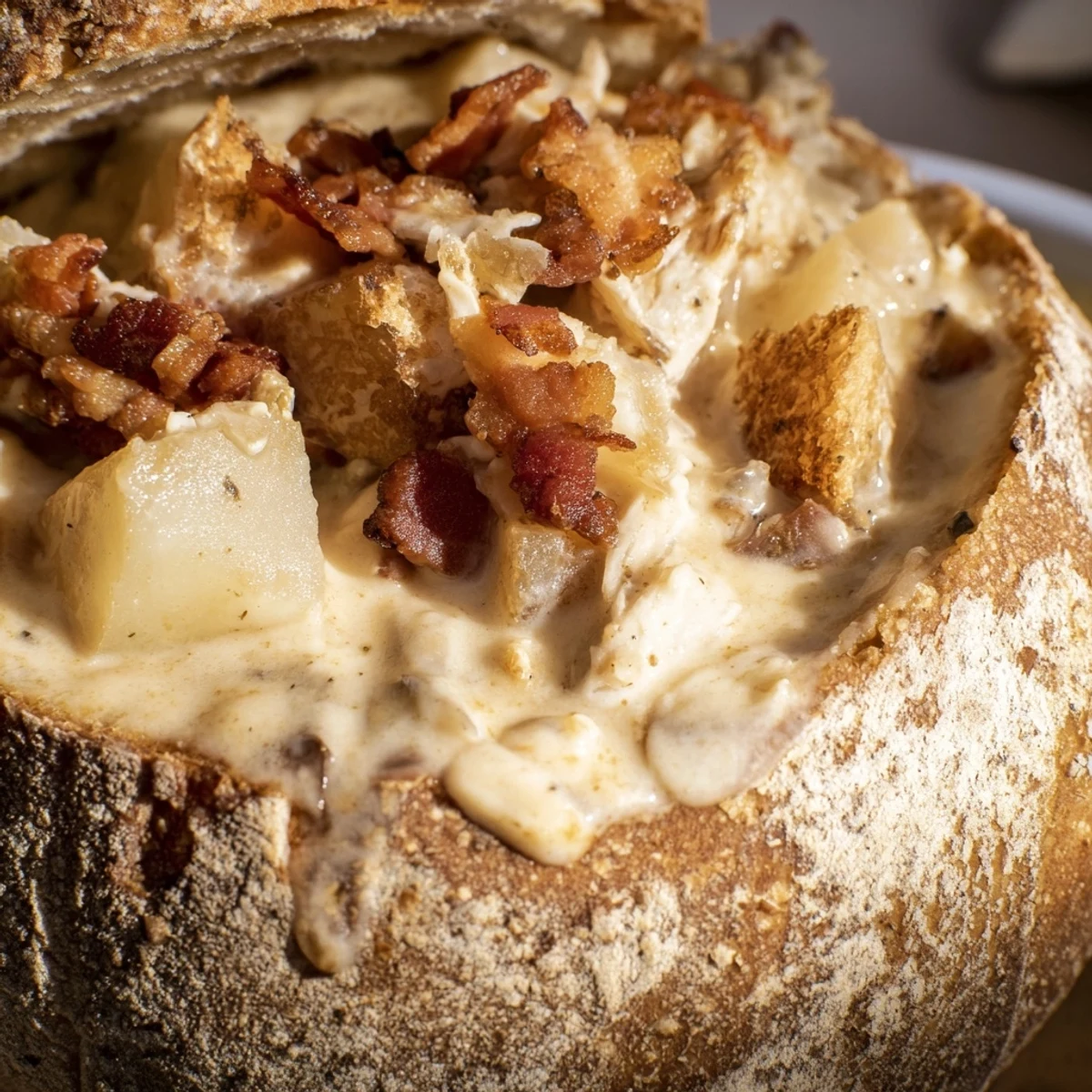
After many soggy-bottomed disasters, Ive learned to quickly run the hollowed bread bowls through a warm oven for about 5 minutes before filling. This creates a slight crust on the interior that slows down absorption just enough to maintain structural integrity throughout the meal without compromising that wonderful bread-soaking-up-soup experience we all crave.
Balancing Creaminess and Flavor
The alchemy between heavy cream and clam juice creates that signature New England chowder texture, but the ratio matters tremendously. Too much cream masks the briny essence that makes clam chowder special, while too much clam juice can make it taste overly fishy and thin. Finding that perfect middle ground took me several attempts and more than a few disappointed dinner guests before I nailed this version.
Making It Ahead
The flavors in this chowder actually improve after a night in the refrigerator, making it perfect for busy households. Something magical happens as those ingredients meld together in the cold darkness of the fridge, developing a depth that isnt there in the first serving.
- If making ahead, prepare everything except the bread bowls and store the chowder in an airtight container for up to two days.
- Reheat the chowder gently on the stovetop, stirring frequently to prevent scorching the cream base.
- Prepare fresh bread bowls just before serving for the optimal texture contrast between crisp bread and creamy soup.
 Save
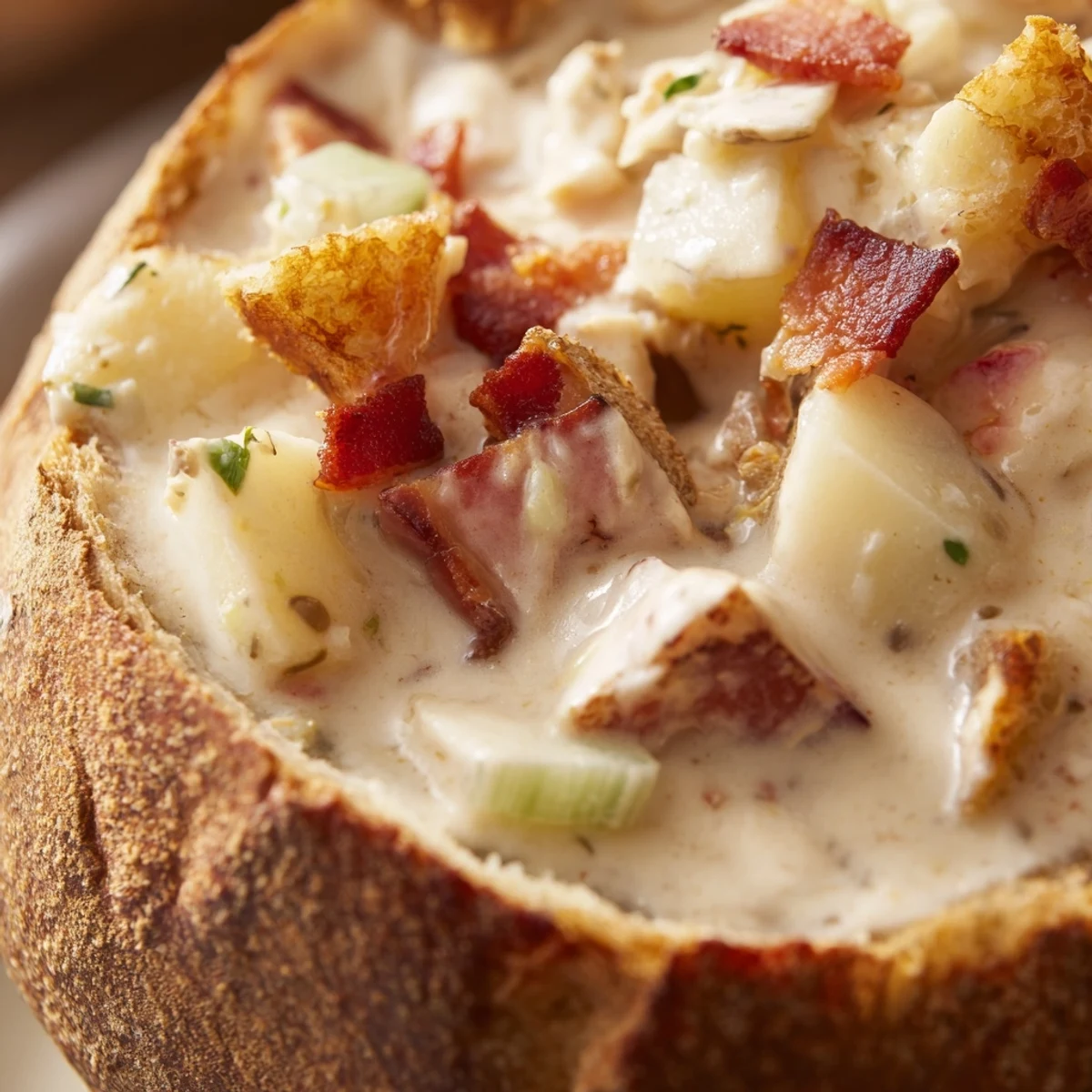
Save There's something profoundly satisfying about watching someone tear into a bread bowl after theyve finished the chowder, savoring those soup-soaked morsels with sticky fingers and contented smiles. In a world of fancy cuisine and complicated techniques, this humble soup-in-bread creation remains one of the most genuinely appreciated dishes I know how to make.
Recipe FAQs
- → Can I use fresh clams instead of canned?
-
Absolutely. Steam 2 pounds of littleneck clams until they open, then remove from shells and chop. Use the steaming liquid as part of your total clam juice. Fresh clams will provide a more briny, vibrant flavor compared to canned varieties.
- → How do I prevent the chowder from breaking when adding cream?
-
The key is temperature control. Never boil the mixture after adding dairy products. Keep heat at a gentle simmer and whisk constantly when incorporating milk and cream. A roux base helps stabilize the sauce and prevents separation.
- → What's the best way to prepare sourdough bread bowls?
-
Slice off the top quarter of each loaf and carefully scoop out the soft interior, leaving a quarter-inch shell. Warm the hollowed bowls in a 350°F oven for 5 minutes before filling. This prevents them from becoming soggy and keeps the chowder hotter longer.
- → Can I make this ahead of time?
-
Yes, prepare the chowder up to step 5 and refrigerate for up to 2 days. Reheat gently over medium-low heat, then add clams and bacon in the final step. Prepare bread bowls fresh on serving day for best results.
- → What wine pairs well with this dish?
-
A crisp Sauvignon Blanc complements the briny clams beautifully, while the acidity cuts through the richness of the cream. Alternatively, a malty amber ale provides excellent balance with the smoky bacon and hearty potatoes.
- → How can I lighten this without losing creaminess?
-
Substitute half-and-half for heavy cream to reduce fat content while maintaining a creamy texture. You can also use a combination of milk and low-fat Greek yogurt stirred in at the end for added protein and tanginess.