
 Save
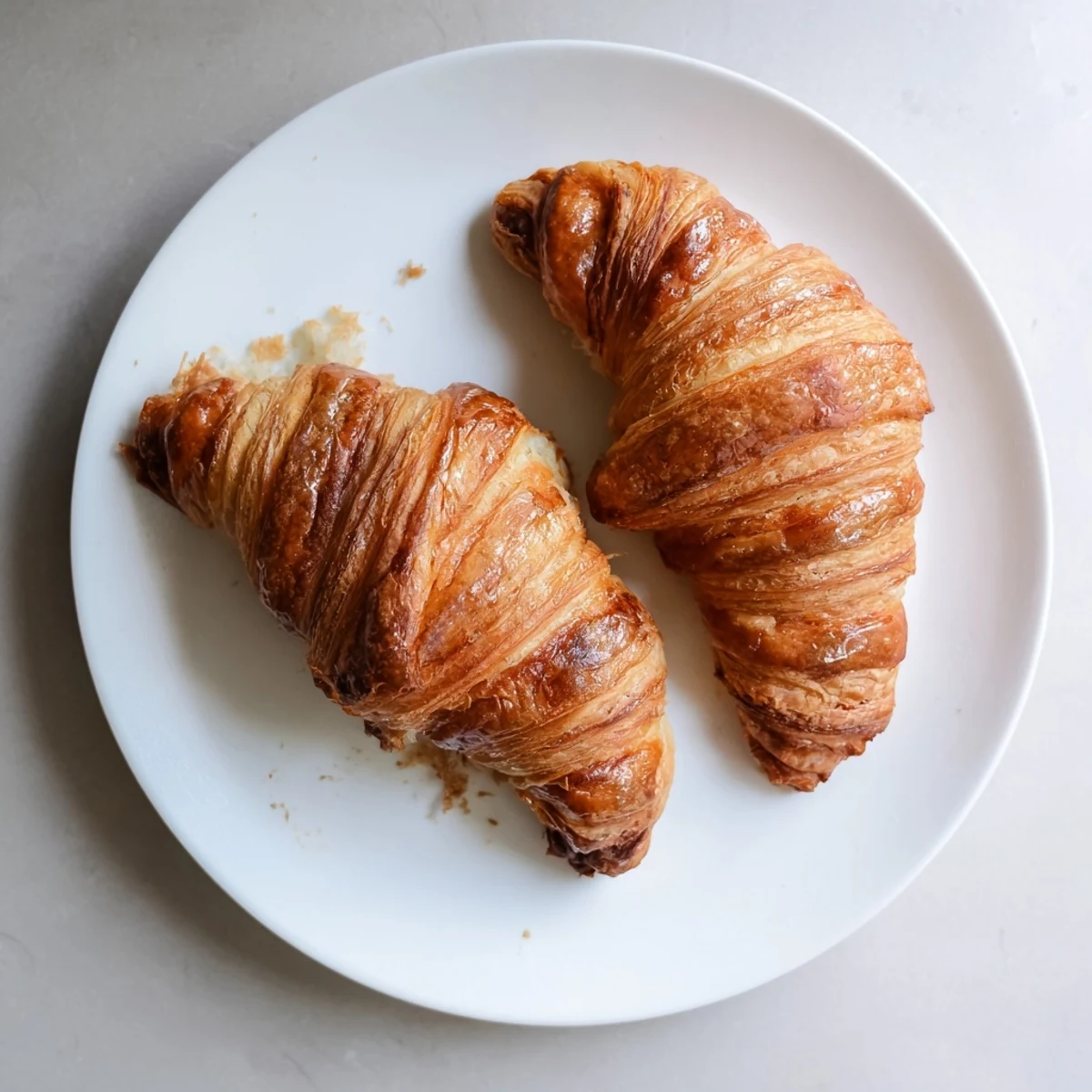
Save Craft authentic French-style croissants without gluten through a careful lamination process. These buttery, flaky pastries deliver the signature light texture and golden layers using gluten-free flour with xanthan gum for structure.
The technique involves creating a chilled butter block, folding it into the dough through three rolling sequences, then shaping and proofing until perfectly puffy. After 20 minutes at 400°F, you'll have golden croissants with delicate honeycomb interiors.
Enjoy them fresh from the oven, or freeze and reheat for whenever cravings strike. Pair with jam, honey, or chocolate spread for the ultimate breakfast experience.
Gluten-free baking felt like an impossible mountain until I stood in my tiny kitchen at 11pm on a Tuesday, determined to recreate the flaky magic I missed. The flour dusted everything, including my pajamas, but when that first batch emerged golden and impossibly light, I actually cried into my apron. Sometimes the stubborn recipes teach us the most about patience and possibility.
My friend Sarah, who can eat anything, took one bite and demanded I never buy bakery croissants again. We ate them warm with salted butter, watching steam rise in the morning light, and she admitted these had something special. Now every Sunday morning ritual includes the laminating process, and the anticipation has become half the joy.
Ingredients
- Gluten-free all-purpose flour: The xanthan gum in the blend is non-negotiable for structure and elasticity
- Instant dry yeast: Skip the proofing step and trust it to work its magic in the dough
- Warm milk: Think bath temperature, anything hotter will kill your yeast before it begins
- Cold butter for laminating: The temperature contrast between dough and butter creates those signature layers
- Egg yolk wash: This is what gives you that deep, professional looking golden crust
Instructions
- Make the dough base:
- Whisk your dry ingredients together before combining the warmed milk and egg, then mix until the dough comes together in a soft shaggy mass. Work in the softened butter until it disappears completely, then refrigerate for at least an hour to hydrate and firm up.
- Prepare the butter block:
- Pound your cold butter between parchment until it becomes pliable but still cold, then roll it into that precise rectangle. This step is worth the extra effort because even butter layers mean even flaky results.
- First fold and chill:
- Roll your dough into a rectangle, place that butter in the center like a precious package, then fold the dough over it completely. Gently roll out again and fold into thirds, then wrap and chill for thirty minutes because gluten-free dough needs frequent rests to behave.
- Complete the laminating:
- Repeat that rolling and folding process two more times, chilling between each fold. These three turns create the hundreds of layers that make a croissant actually a croissant.
- Shape your croissants:
- Roll the dough into a larger rectangle and cut eight triangles, then roll from the wide end toward the point. Tuck the tips underneath and place them on parchment with plenty of room to expand.
 Save
Save These became my go-to gift for friends who thought their gluten-sensitive days meant saying goodbye to buttery pastries forever. Watching someone take that first hesitant bite, then immediately reach for a second, is better than any compliment I could receive.
The Dairy-Free Swap
I have made these with vegan butter and milk multiple times for lactose-intolerant friends, and the result is still remarkably flaky. The key is choosing a plant-based butter block with a high fat content rather than spreadable tub versions.
Freezing For Later
After the final proof, you can freeze the shaped croissants on the baking sheet before the egg wash. Transfer them to a freezer bag, then proof and bake directly from frozen, adding about ten extra minutes to the rising time.
Serving Suggestions
Warm them for five minutes in a 350 degree oven before serving to restore that fresh-baked texture.
- Slice them horizontally and sandwich with ham and gruyere for a quick croque madame
- Fill with chocolate chunks before rolling for pain au chocolat variation
- Serve alongside a simple green salad for an unexpectedly elegant lunch
 Save
Save There is something profoundly satisfying about mastering a recipe that everyone says cannot be done, and I hope these bring that same joy to your kitchen. May your counters be dusted with flour and your mornings filled with warm, flaky possibility.
Recipe FAQs
- → What makes gluten-free croissants different from traditional ones?
-
Gluten-free croissants use flour blends containing xanthan gum instead of wheat flour to provide structure. The lamination technique remains identical—folding butter into dough creates those signature flaky layers. The result delivers the same buttery, light texture without any gluten.
- → How do I achieve proper lamination with gluten-free dough?
-
Keep everything cold. Chill your dough for an hour before laminating, and keep the butter block firm between folds. Work quickly when rolling to prevent butter from melting. Three complete fold-and-chill cycles create the ideal layers. If the dough becomes too soft or sticky, refrigerate for 15-20 minutes before continuing.
- → Can I make these dairy-free as well?
-
Absolutely. Substitute the butter with high-quality plant-based butter sticks (not tub margarine), and use your preferred non-dairy milk. The lamination process works the same way, though plant-based butters may soften faster, so keep the dough well-chilled throughout.
- → Why do my croissants flatten during baking?
-
This typically happens when the dough isn't proofed long enough or the butter was too warm during lamination. Ensure croissants have doubled in size and feel puffy and jiggly before baking. Also verify your oven temperature is accurate with an oven thermometer—too hot causes rapid rising followed by collapse.
- → How should I store and reheat leftover croissants?
-
Fresh croissants taste best within 24 hours. Store at room temperature wrapped in parchment for up to 2 days. For longer storage, freeze individually after cooling completely. Reheat frozen croissants at 350°F for 8-10 minutes until warmed through and slightly crisped on the exterior.
- → Can I prepare the dough in advance?
-
Yes. After completing the three laminating folds, wrap the dough tightly and refrigerate overnight. Let it warm slightly at room temperature for 15-20 minutes before rolling out and shaping. This actually improves flavor development and makes the dough easier to work with.