
 Save
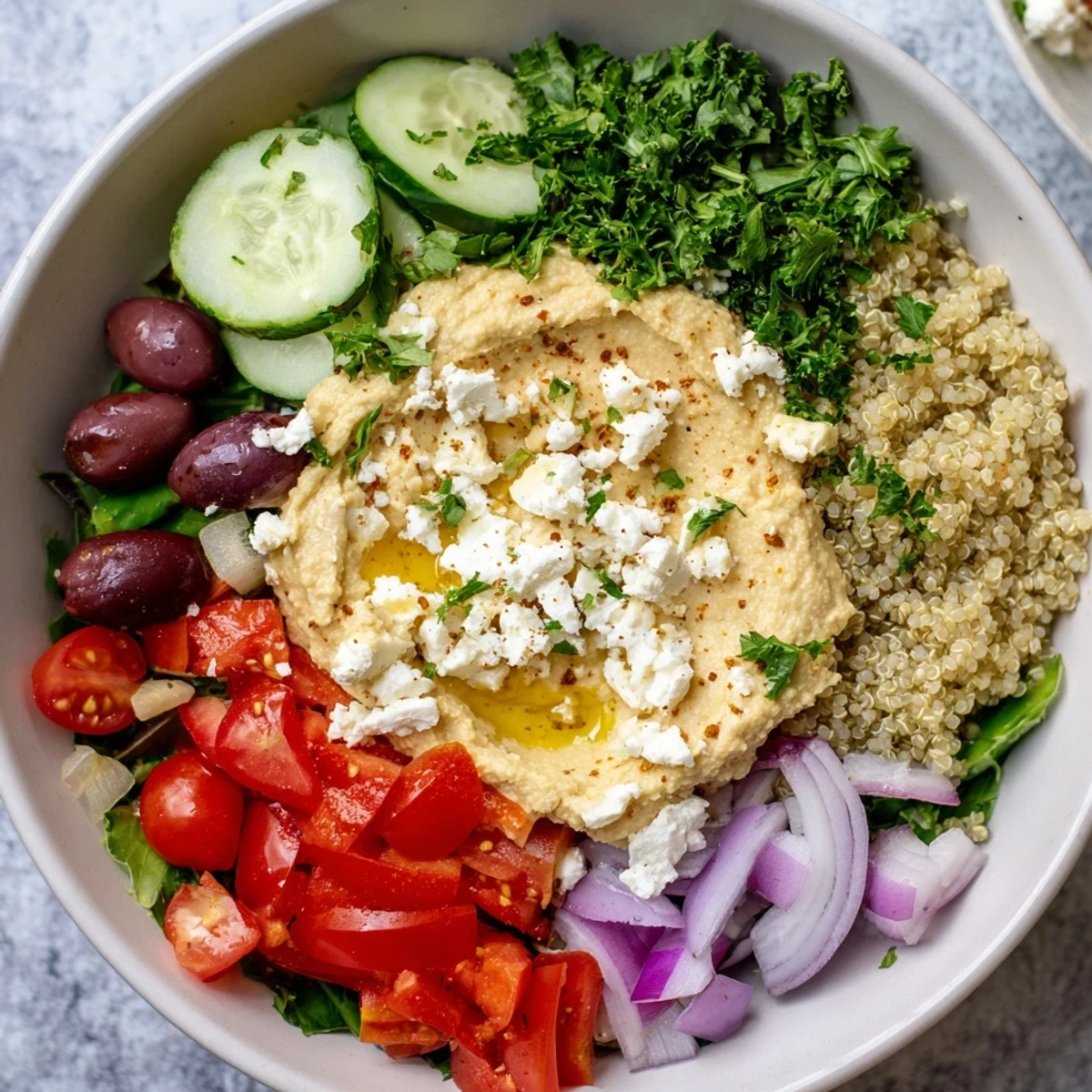
Save This Mediterranean hummus bowl combines creamy hummus with fresh vegetables like cherry tomatoes, cucumber, and bell pepper, layered over optional quinoa or brown rice. Topped with Kalamata olives, crumbled feta, olive oil, lemon juice, and parsley, it offers a balanced blend of textures and flavors. Ready in 25 minutes, this dish suits vegetarian and gluten-free diets and pairs well with warm pita bread.
It's a quick, nutritious choice ideal for a light lunch or dinner, providing a refreshing yet satisfying dining experience with classic Mediterranean notes and a hint of sumac or paprika for extra depth.
There's something magical about assembling a hummus bowl on a lazy afternoon—no cooking fumes, no cleanup stress, just the soft sound of a knife hitting the cutting board as you slice into bright vegetables. I discovered this bowl on a day when my fridge was overflowing and I had zero appetite for anything heavy, so I started layering: creamy hummus, crisp cucumber, peppery arugula. By the time I drizzled the olive oil, I realized I'd built something I'd want to eat again and again.
I made this for my friend Maya on a hot summer evening, and she ate half the bowl before even sitting down at the table—that's when I knew I was onto something. She came back for seconds the next day, and now whenever she texts asking what's for lunch, this is what she expects.
Ingredients
- Hummus: This is your foundation, so choose a brand you actually enjoy or make your own if you're feeling ambitious; I've learned the creamy, less-gritty versions spread more beautifully.
- Cooked quinoa or brown rice: Optional but worth it for staying power—they add substance without weighing you down, and leftovers work perfectly.
- Cherry tomatoes: Halve them so their sweetness mixes with the dressing rather than rolling away.
- Cucumber: Dice it fine and toss with a pinch of salt a few minutes before assembling to wake up its flavor.
- Red bell pepper: The bright color isn't just pretty—it brings a subtle sweetness that balances the salty feta and briny olives.
- Red onion: Slice it thin and don't skip it; the raw bite is essential to the whole bowl's personality.
- Mixed greens or arugula: Arugula's peppery kick is my preference, but tender mixed greens work if you want something milder.
- Kalamata olives: Pit them yourself or buy pre-pitted if you'd rather not risk a broken tooth; their brininess is non-negotiable.
- Feta cheese: Crumble it just before serving so the pieces stay distinct and don't dissolve into the hummus.
- Extra virgin olive oil: This isn't the place to skimp; a good one elevates everything it touches.
- Fresh lemon juice: Squeeze it fresh—bottled juice tastes flat by comparison and misses the bright, living quality this bowl needs.
- Fresh parsley: The final verdant flourish that makes it feel intentional rather than thrown together.
- Sumac or paprika: A optional whisper of warmth; sumac adds earthiness, paprika brings gentle heat.
- Pita bread: Warm it gently before serving so it stays tender and ready to scoop.
Instructions
- Cook your grain if using it:
- Prepare quinoa or brown rice according to package directions—I usually make extra so it's cool and ready to go without slowing you down. Set it aside in a small bowl while you prep everything else.
- Build your canvas:
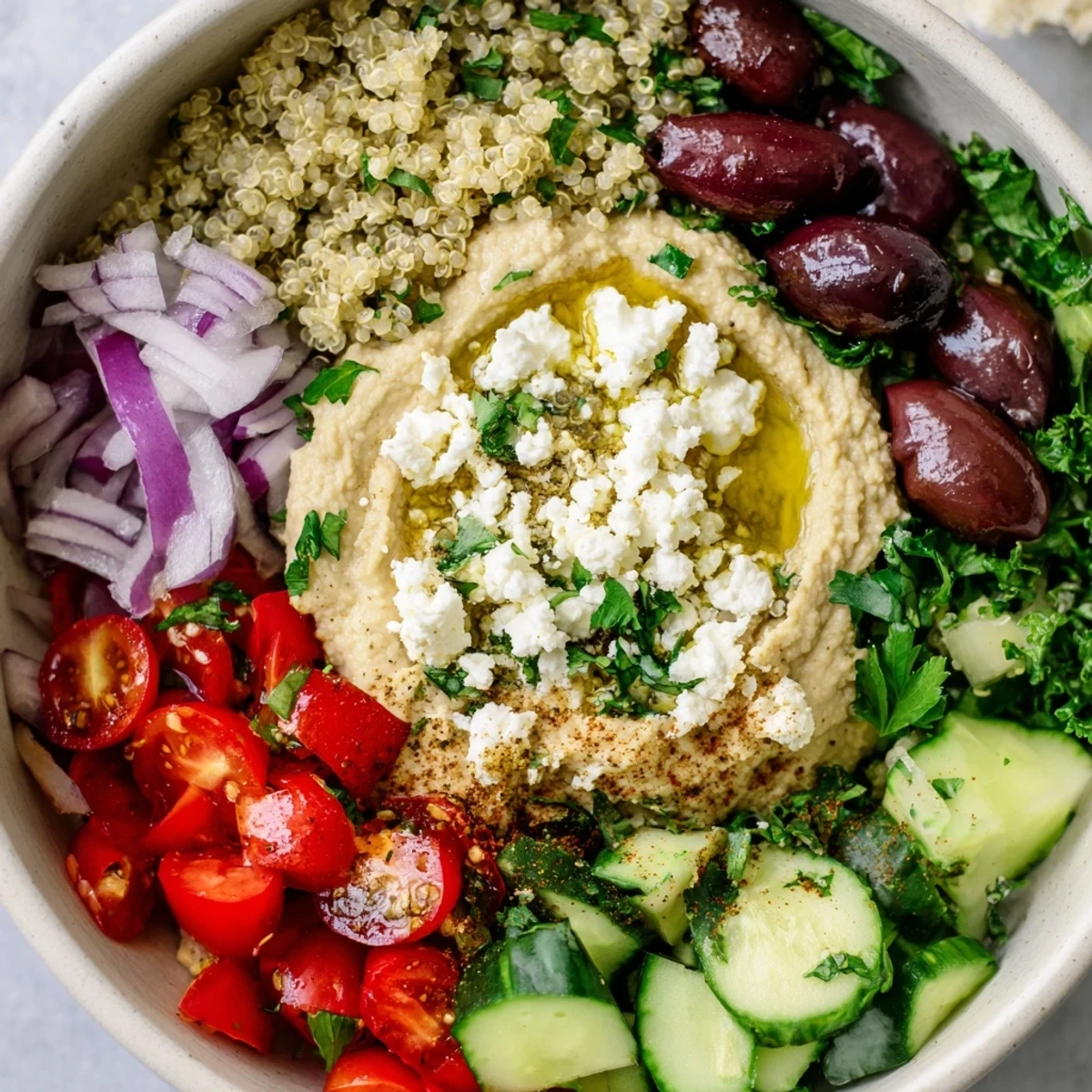
- Spoon a generous dollop of hummus into the center of each bowl, leaving a slight well in the middle where olive oil can pool. This is your anchor; everything else radiates from here.
- Arrange your vegetables mindfully:
- Around the hummus, create little sections of cooked grain, tomatoes, cucumber, bell pepper, red onion, and greens—think less salad, more intentional placement. You're building something beautiful that also happens to taste incredible.
- Finish with character:
- Scatter olives and feta over the top, then drizzle the olive oil and lemon juice across the whole bowl in gentle zigzags. The acidity cuts through the richness perfectly.
- Season and serve:
- Sprinkle fresh parsley, a whisper of sumac or paprika if you're using it, and season with salt and pepper to your taste. Serve immediately with warm pita wedges on the side for scooping and swirling.
 Save
Save My favorite moment with this bowl came when my sister—who swears she hates vegetables—asked for the recipe after polishing hers clean. Turns out when vegetables are this good and the flavors complement each other this generously, even the skeptics come around.
Why This Bowl Works
The Mediterranean flavors in this bowl aren't accidental; they're built on a principle of balance—creamy against bright, salty against fresh, soft against crisp. Every ingredient earns its place, and together they create something that feels both casual and considered. I've served this to people who swear they don't eat salads, and something about the hummus's richness and the warmth of the pita makes them rethink that position entirely.
Customizing Your Bowl
One of the greatest gifts of this recipe is how endlessly you can adapt it based on what's in your kitchen or what you're craving. Some days I add chickpeas for extra protein, other times I roast some white beans with cumin and toss them in warm. The core—hummus, fresh vegetables, good olive oil—stays the same, but everything else is a conversation with your pantry.
Storage and Make-Ahead Magic
You can prep all your vegetables the night before and keep them in separate containers, then assemble in minutes when hunger strikes. The hummus stays creamy overnight, and the vegetables actually improve as they soften slightly and soak up the dressing. I don't recommend assembling the full bowl more than a few hours ahead since the greens will start to wilt, but everything else holds beautifully.
- Store prepped vegetables in airtight containers for up to two days.
- Keep hummus separate from the dressing until you're ready to serve so nothing gets soggy.
- Toast your pita just before eating so it's warm and ready to scoop.
 Save
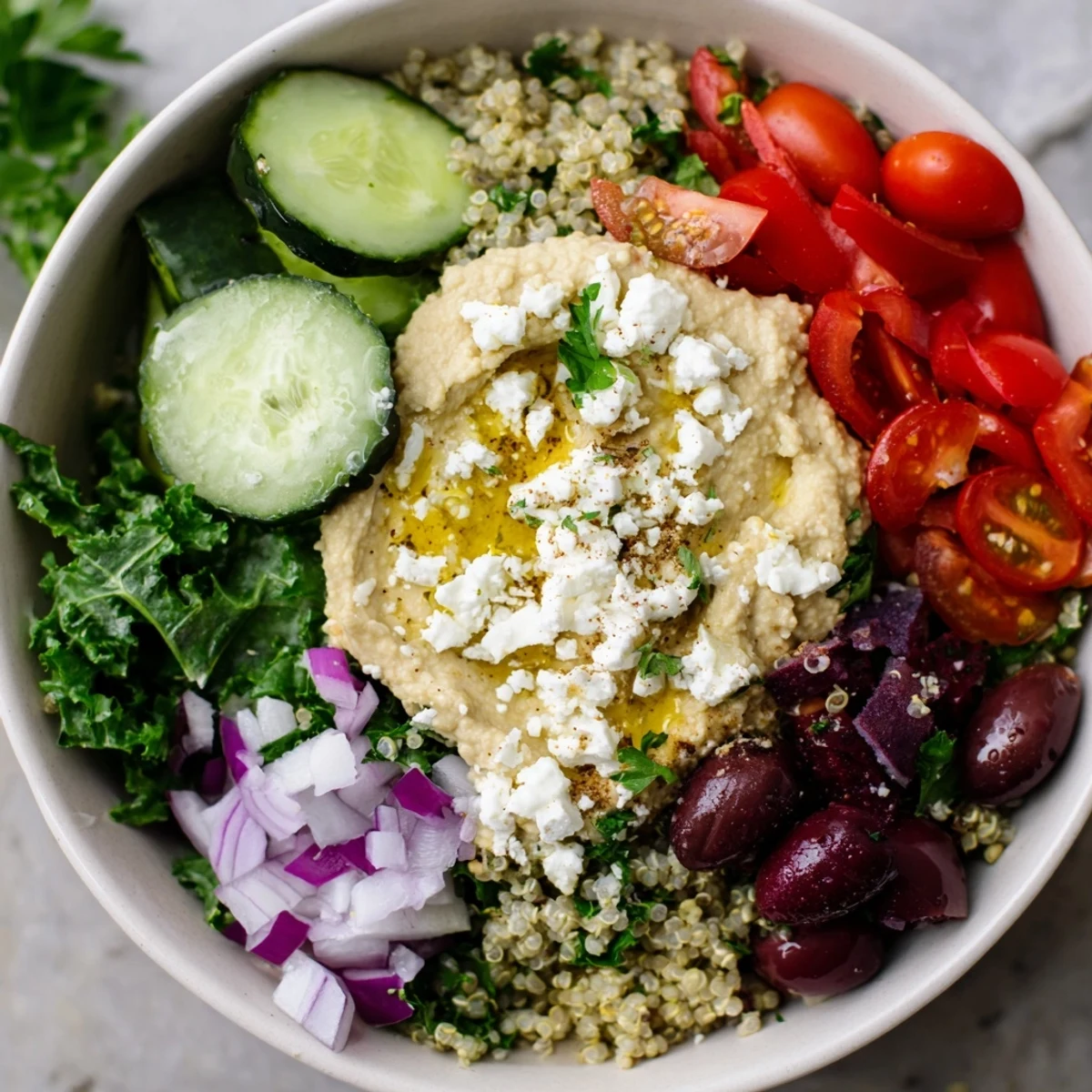
Save This humble bowl has become my answer to so many moments—quick lunches, impromptu dinners with friends, the afternoon when I need something nourishing that doesn't demand anything from me. Once you make it once, you'll understand why.
Recipe FAQs
- → Can I make this bowl vegan?
-
Yes, simply omit the feta cheese or replace it with a dairy-free alternative to keep the flavors vibrant without dairy.
- → What grains can I add for extra heartiness?
-
Cooked quinoa or brown rice are great options to add substance and texture to the bowl.
- → How can I adjust the flavors for spice lovers?
-
Adding ground sumac or paprika enhances the bowl's depth and adds a mild spiced note without overpowering.
- → Is this bowl suitable for gluten-free diets?
-
Yes, provided you use gluten-free pita bread or skip the bread altogether, the bowl fits a gluten-free lifestyle.
- → What proteins pair well with this bowl?
-
Grilled chicken, falafel, or roasted chickpeas can be added to boost protein and complement the Mediterranean flavors.