
 Save
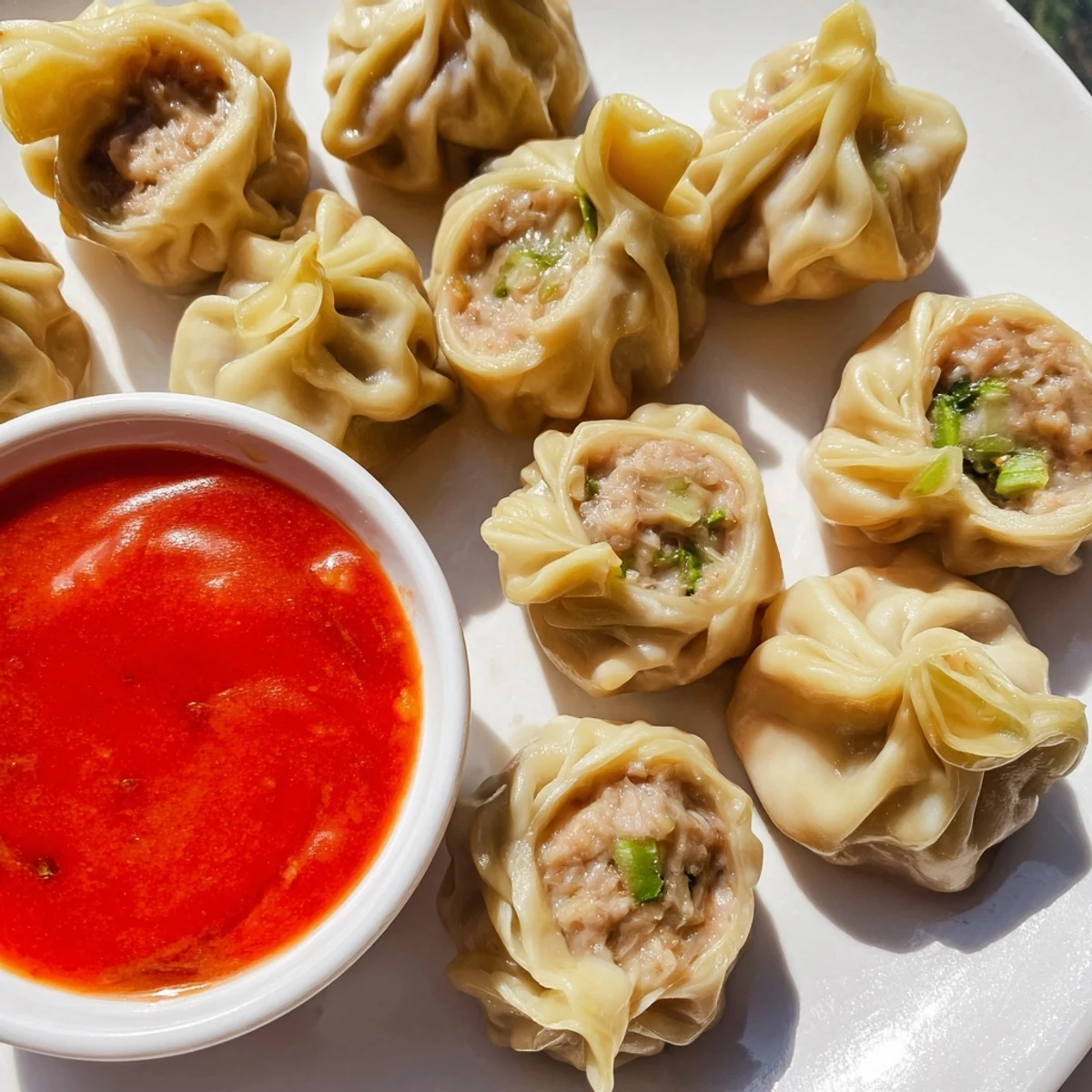
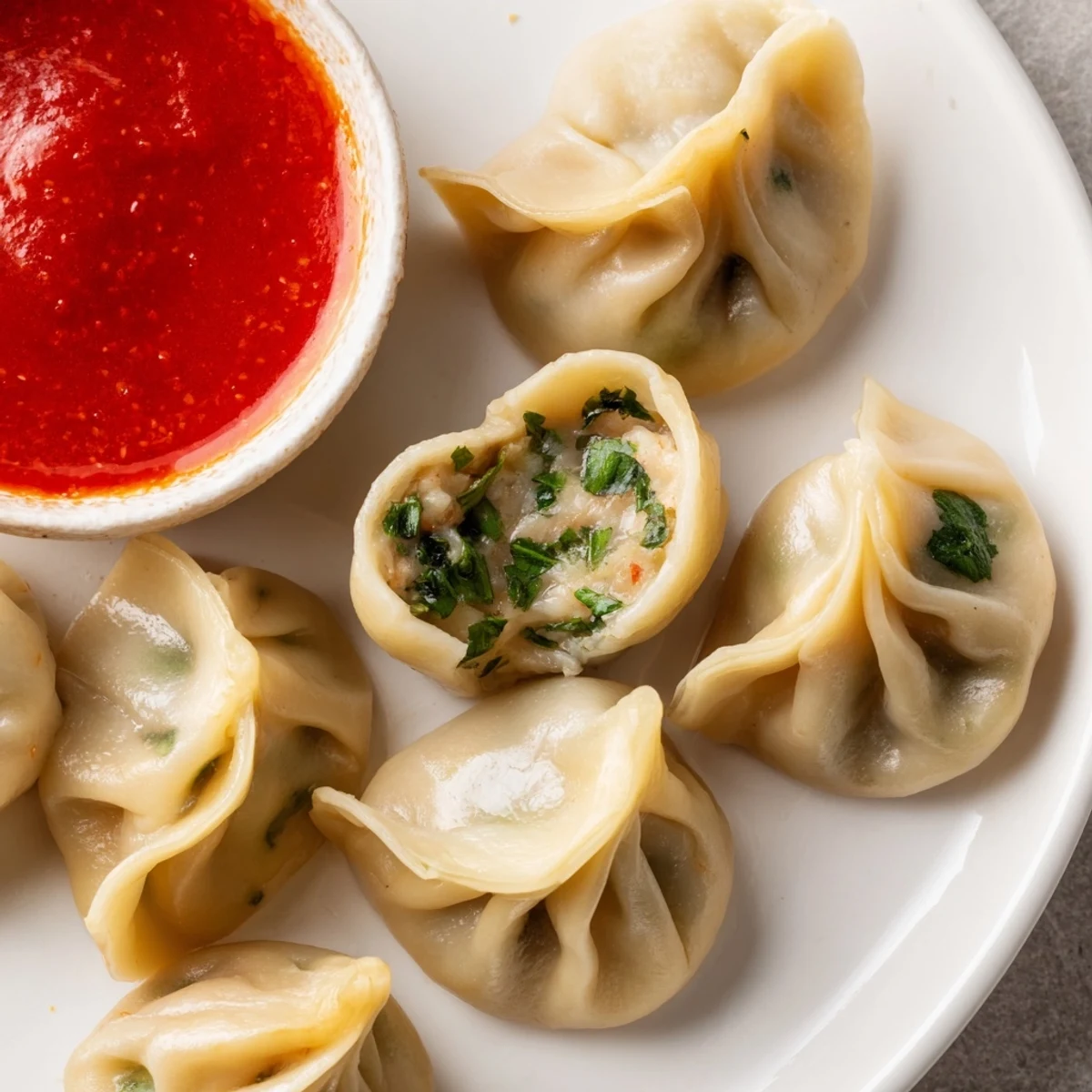
Save Create authentic Nepali momo in your kitchen with this straightforward guide. These beloved Himalayan dumplings feature tender wrappers encasing savory fillings—choose between seasoned ground meat or a vegetarian tofu version. The process involves making a simple flour dough, preparing aromatic fillings with ginger, garlic, and traditional spices, then mastering the pleating technique before steaming to perfection. Complete your momo experience with a vibrant charred tomato dipping sauce that balances heat with tangy brightness.
The first time I watched my roommate's mother make momos in our tiny apartment kitchen, I was mesmerized by her hands folding those little pleats so quickly they became a blur. She laughed when I tried to copy her and ended up with what looked like crumpled tissue paper instead of dumplings. That rainy afternoon, sitting cross-legged on the floor while steam filled the room, changed everything I thought about dumplings.
Last winter during a particularly brutal snowstorm, my friends and I spent six hours around the steamer, making batch after batch while drinking endless cups of ginger tea. We burned our fingers, argued over whose pleating technique was superior, and accidentally dropped enough dumplings to feed a small army. The kitchen was a disaster zone but those momos tasted like pure warmth.
Ingredients
- All-purpose flour: The protein content creates just enough elasticity for folding without tearing
- Ground chicken or pork: The fat content keeps the filling juicy inside the steamer
- Fresh ginger and garlic: Grating them releases more oils than mincing for deeper flavor
- Green onions and cilantro: Don't skip these they bring essential brightness to the rich filling
- Roma tomatoes: Their lower water content creates a thicker dipping sauce after charring
Instructions
- Make the dough first:
- Mix flour and salt in a large bowl, gradually adding water until the dough comes together. Knead on a floured surface for at least 8 minutes until smooth and slightly elastic, then cover and let it rest while you prepare the filling.
- Prepare the spiced filling:
- Combine the ground meat with finely chopped onion, minced garlic, grated ginger, soy sauce, and all the spices. Mix thoroughly with your hands, folding the mixture over itself until the spices are evenly distributed and the meat becomes sticky.
- Roll and shape your dumplings:
- Divide the dough into 24 small balls and roll each into a thin circle about 3 inches across, keeping the center slightly thicker than the edges. Place a tablespoon of filling in the center, then fold and pleat the edges together, sealing tightly to create either round or crescent shapes.
- Steam to perfection:
- Line your steamer basket with lightly oiled parchment paper, arranging momos so they don't touch each other. Steam over boiling water for 10 to 12 minutes until the wrappers are translucent and the filling is cooked through.
- Create the fire-kissed sauce:
- Char the tomatoes directly over a gas flame or under the broiler until the skins blacken and blister. Peel them, then blend with roasted sesame seeds, garlic, ginger, chilies, cilantro, and lime juice until smooth.
 Save
Save My partner proposed over a plate of these momos at our favorite Himalayan restaurant, though I was too focused on dipping sauce to notice the ring at first. Now whenever we make them at home, that memory folds itself into every pleat, turning a simple dinner into something sacred.
Mastering the Pleating Technique
I spent three years folding awkward dumplings before learning that keeping your thumbs in the center while you use your fingertips to create small folds is the secret. The motion should feel like you're gently pinching the wrapper's edge while simultaneously pushing the filling toward the center.
The Art of Charring
That blackened blister on the tomato skin isn't burned, it's flavor. The high heat concentrates the natural sugars and creates that distinctive smoky depth that defines an authentic momo sauce.
Storage and Make-Ahead Tips
Fresh momos freeze beautifully before steaming, so I always make double batches. Arrange uncooked dumplings in a single layer on a baking sheet until firm, then transfer to freezer bags.
- Steam frozen momos directly from the freezer, adding just 2 extra minutes
- The dipping sauce keeps for a week in the refrigerator and actually improves with time
- If freezing, place a small piece of parchment between layers to prevent sticking
 Save
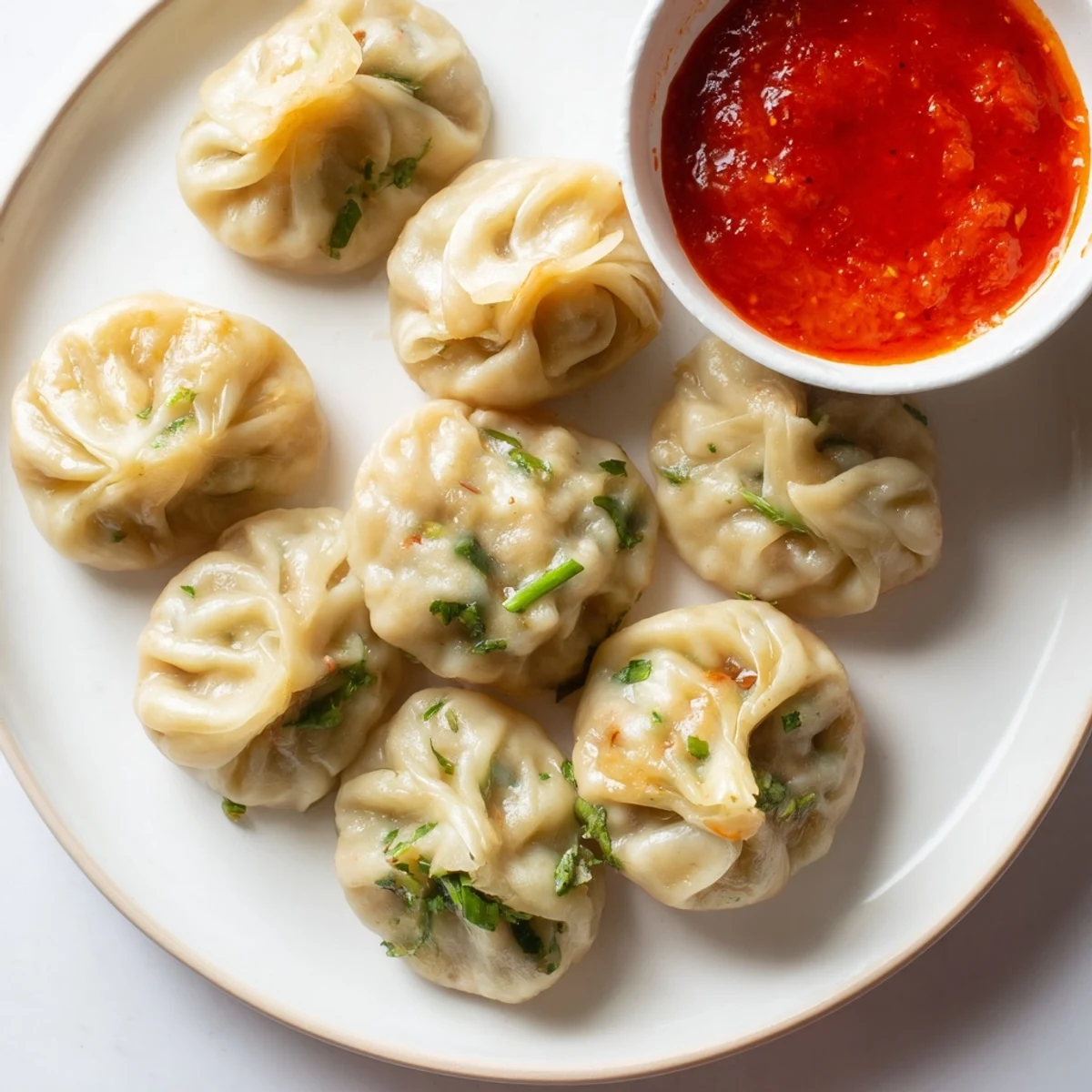
Save There's something profoundly satisfying about pulling a steamer basket off the heat, lifting the lid, and seeing those translucent dumplings glistening in the steam. It's the kind of simple comfort that turns any ordinary Tuesday into something worth savoring.
Recipe FAQs
- → What makes Nepali momo different from other dumplings?
-
Nepali momo feature thinner, more delicate wrappers compared to many Asian dumpling varieties. The filling emphasizes fresh ginger, garlic, and traditional spices like cumin and coriander rather than the five-spice blends found elsewhere. The signature tomato-based dipping sauce with roasted sesame seeds adds a distinct tangy element that sets momo apart from soy-vinegar condiments.
- → Can I freeze uncooked momo for later?
-
Absolutely. Arrange shaped momo in a single layer on a baking sheet and freeze until firm, then transfer to an airtight container or freezer bag. They'll keep well for up to 2 months. Steam directly from frozen, adding 2-3 minutes to the cooking time—no thawing necessary.
- → How do I prevent momo from sticking to the steamer?
-
Lightly oil your steamer basket or line it with parchment paper, leaving small gaps for steam circulation. Bamboo steamers naturally resist sticking, while metal steamers benefit more from oiling. Avoid overcrowding—momos need space between them to steam properly without merging.
- → What can I substitute for the fresh chilies in the sauce?
-
If fresh chilies are unavailable, use 1-2 teaspoons of chili paste or sambal oelek. For milder heat, red pepper flakes work well. Those avoiding spice entirely can use bell peppers for flavor without the kick, though the sauce will lose its traditional character.
- → Why is my momo dough tough or cracking?
-
Tough dough usually indicates over-kneading or insufficient resting time. Once smooth, let the dough rest covered for at least 30 minutes—this allows gluten to relax, making it easier to roll thin without tearing. If dough cracks while rolling, it may need a few drops of water; if too sticky, dust with flour sparingly.
- → Can I boil or pan-fry momo instead of steaming?
-
While steaming yields the most authentic texture, you can pan-fry steamed momo for crispy bottoms (known as kothey), or boil them like traditional dumplings. Pan-frying works best after steaming—just crisp them in oil for 2-3 minutes until golden. Boiling creates a softer, more delicate wrapper but may cause some filling loss.