
 Save
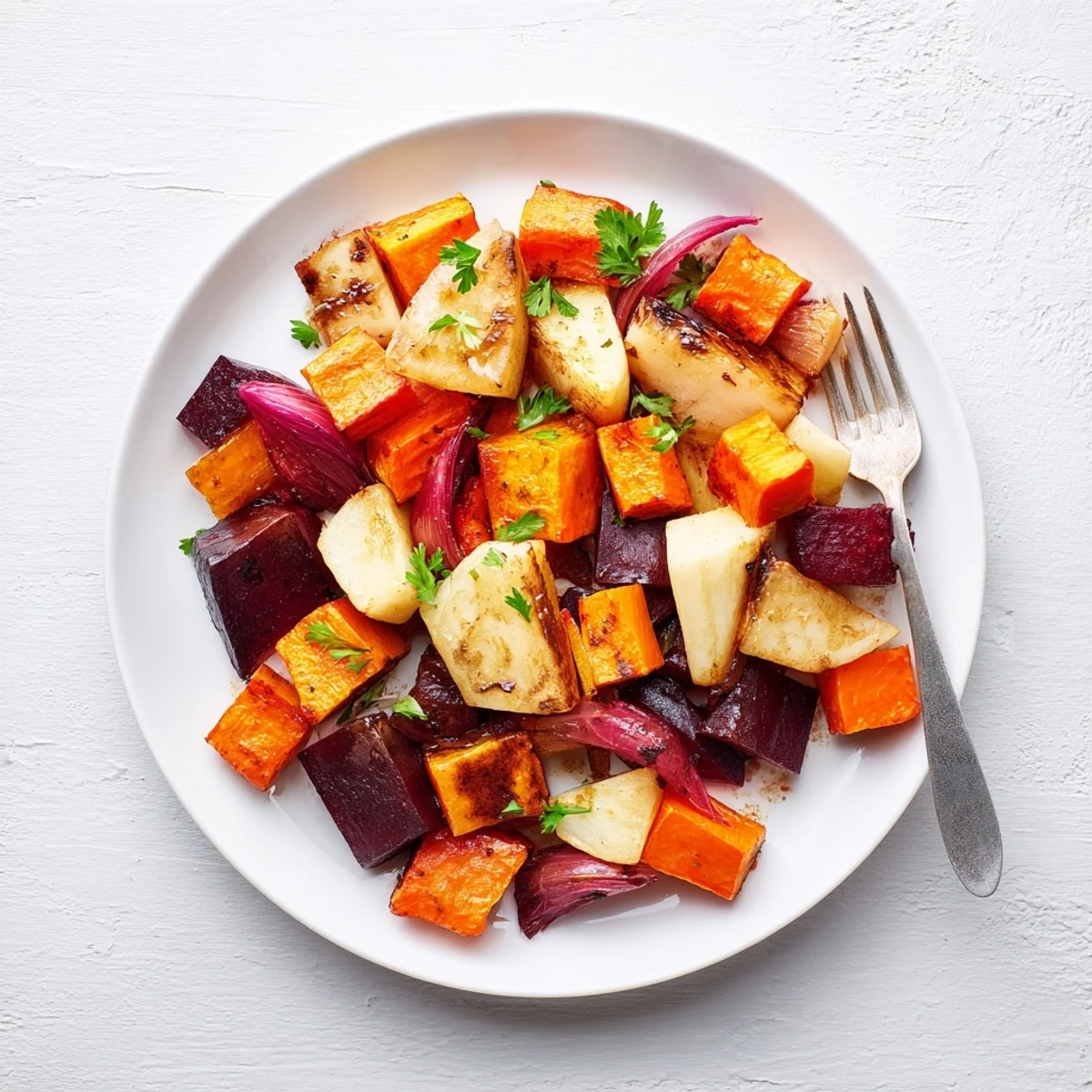
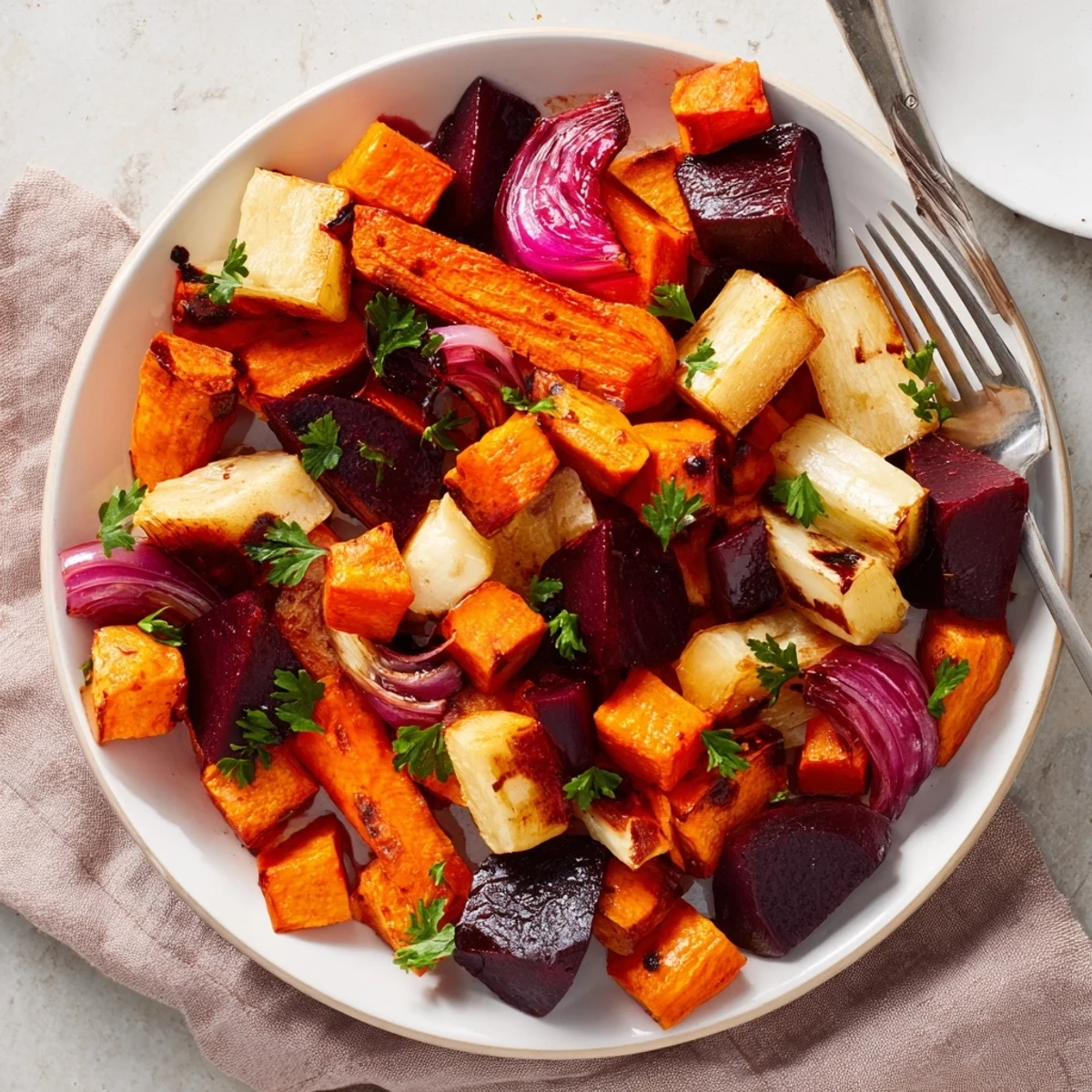
Save This colorful medley combines carrots, parsnips, sweet potato, and beet roasted at high heat until edges turn golden and naturally sweet. The balsamic glaze adds a tangy finish that balances the earthiness of the roots. Ready in about an hour, these vegetables work beautifully alongside roasted chicken or grilled fish, or shine as a satisfying vegetarian centerpiece when served over grains.
There is something deeply comforting about the smell of root vegetables roasting on a cold afternoon. My tiny apartment oven used to struggle with the heat but the earthy aroma always managed to fill every corner. I stumbled upon this balsamic finish purely by accident when I ran out of herbs. It turned a humble side dish into something that felt surprisingly elegant.
I once made this for a friend who claimed to hate beets entirely. She took a tentative bite then went back for seconds immediately. It became a running joke between us about how roasting changes everything. That dinner taught me that simple ingredients prepared with care can change minds.
Ingredients
- Carrots: They provide a natural sweetness that balances the acidity.
- Parsnips: These add a nutty depth and lovely texture.
- Sweet potato: It brings a creamy softness to the crunchier roots.
- Red beet: This offers a vibrant color and an earthy base.
- Red onion: It mellows into sweetness as it roasts.
- Olive oil: This is essential for achieving that crispy golden exterior.
- Salt and pepper: Simple seasonings that amplify the natural vegetable flavors.
- Dried thyme: It lends a woodsy aroma that pairs perfectly with roots.
- Balsamic vinegar: This creates the rich tangy glaze that ties the dish together.
- Maple syrup or honey: A touch of sweetness helps the vegetables caramelize beautifully.
- Fresh parsley: A sprinkle of green adds a fresh finish to the warm dish.
Instructions
- Preheat the oven
- Get the oven nice and hot so the edges get crispy right away.
- Prep the vegetables
- Toss everything in oil and spices until every piece is evenly coated.
- Arrange the sheet
- Spread the veggies out so they have room to roast instead of steam.
- Initial roast
- Let them cook until they start to soften and get golden around the corners.
- Make the glaze
- Whisk the vinegar and sweetener together until smooth.
- Glaze the veggies
- Pour the mixture over the tray and toss gently to coat.
- Final roast
- Put them back in for a few minutes to let the glaze get sticky and set.
- Garnish and serve
- Scatter fresh parsley on top before bringing the platter to the table.
 Save
Save We ate this dish straight off the baking sheet one winter night while watching a movie. It felt like the most gourmet snack we had ever made. The warmth of the spices and the sticky glaze made the cold outside seem miles away.
Choosing Your Roots
Do not feel limited by the ingredients listed here. Use whatever looks good at the market or is hiding in your crisper drawer. The key is maintaining a mix of textures and colors for the best result.
The Roasting Process
High heat is your best friend when roasting root vegetables. It transforms the natural sugars and creates that irresistible caramelization we all love. Resist the urge to stir them too often or they will not develop those crunchy edges.
Serving Ideas
These vegetables are incredibly versatile and pair well with almost any protein. They can also be tossed into a grain bowl for a hearty lunch.
- Try serving them alongside a roasted chicken.
- They work great on top of a salad with goat cheese.
- Add them to a warm quinoa bowl for a complete meal.
 Save
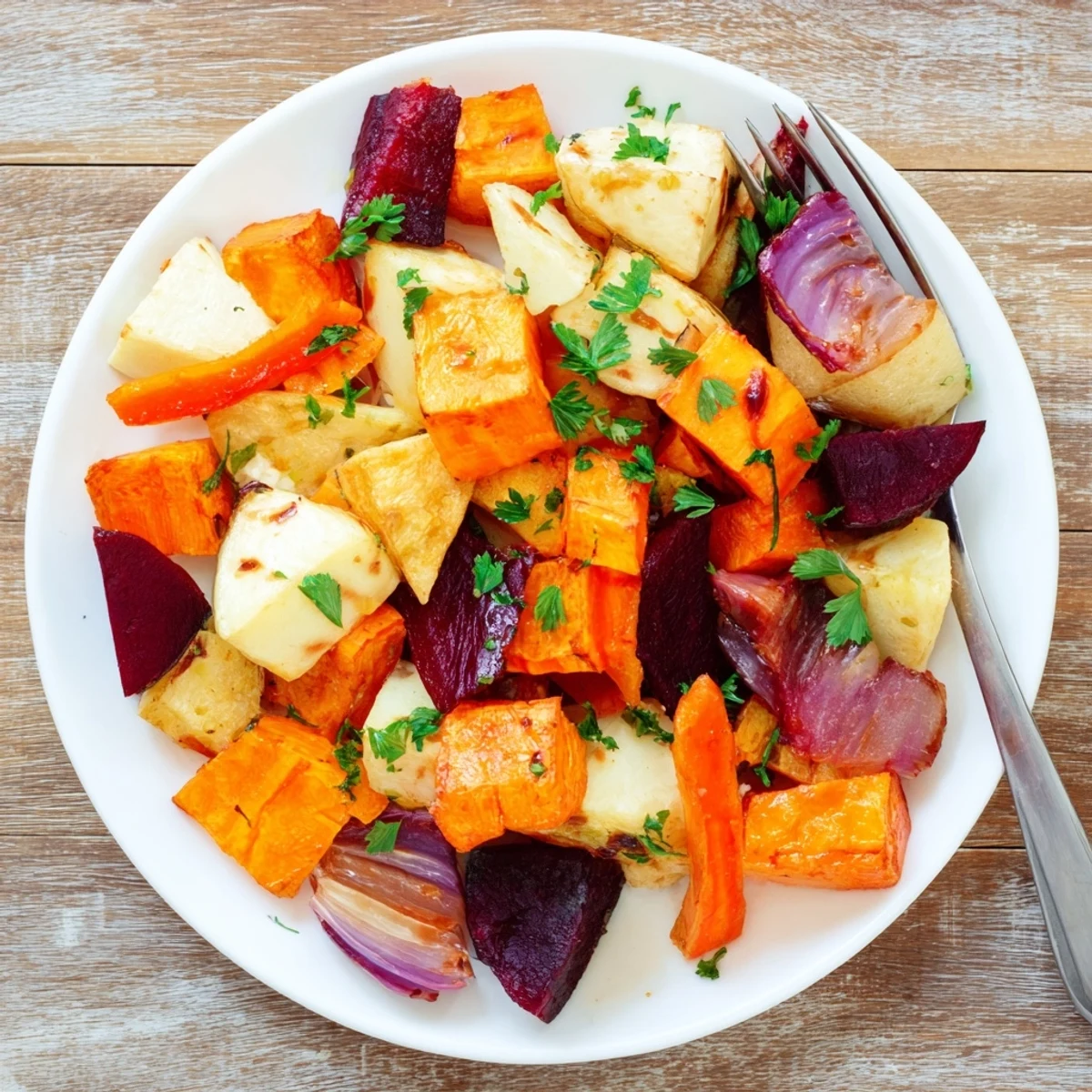
Save Enjoy the simple pleasure of a meal made with care. These vegetables are sure to become a regular request at your table.
Recipe FAQs
- → Can I prepare the vegetables ahead of time?
-
Yes, you can peel and cut all vegetables up to 24 hours in advance. Store them in an airtight container in the refrigerator with a damp paper towel to keep them fresh. Toss with oil and seasonings just before roasting for best results.
- → What other vegetables work well in this dish?
-
Rutabaga, turnips, and Yukon gold potatoes make excellent additions or substitutions. You can also add winter squash like butternut or delicata for variety. Keep pieces similar in size for even cooking.
- → Can I make this without maple syrup or honey?
-
Absolutely. The natural sugars from the roasted vegetables provide plenty of sweetness. The balsamic glaze will still reduce beautifully and create that caramelized finish without any added sweetener.
- → How do I know when the vegetables are done?
-
Vegetables should be tender when pierced with a fork and have golden-brown caramelized edges. The glaze should be sticky and coating the pieces evenly. If they're not tender after 35 minutes, continue roasting in 5-minute increments.
- → Can I roast the vegetables with the glaze from the start?
-
It's best to add the balsamic glaze near the end. The high sugar content in balsamic vinegar can burn if exposed to high heat for too long. Adding it during the last 5 minutes gives you that perfect glossy finish without bitterness.
- → What temperature should I use for roasting?
-
425°F (220°C) creates the best caramelization while cooking vegetables through. This high heat helps develop those crispy edges and tender interiors while allowing natural sugars to brown beautifully.