
 Save
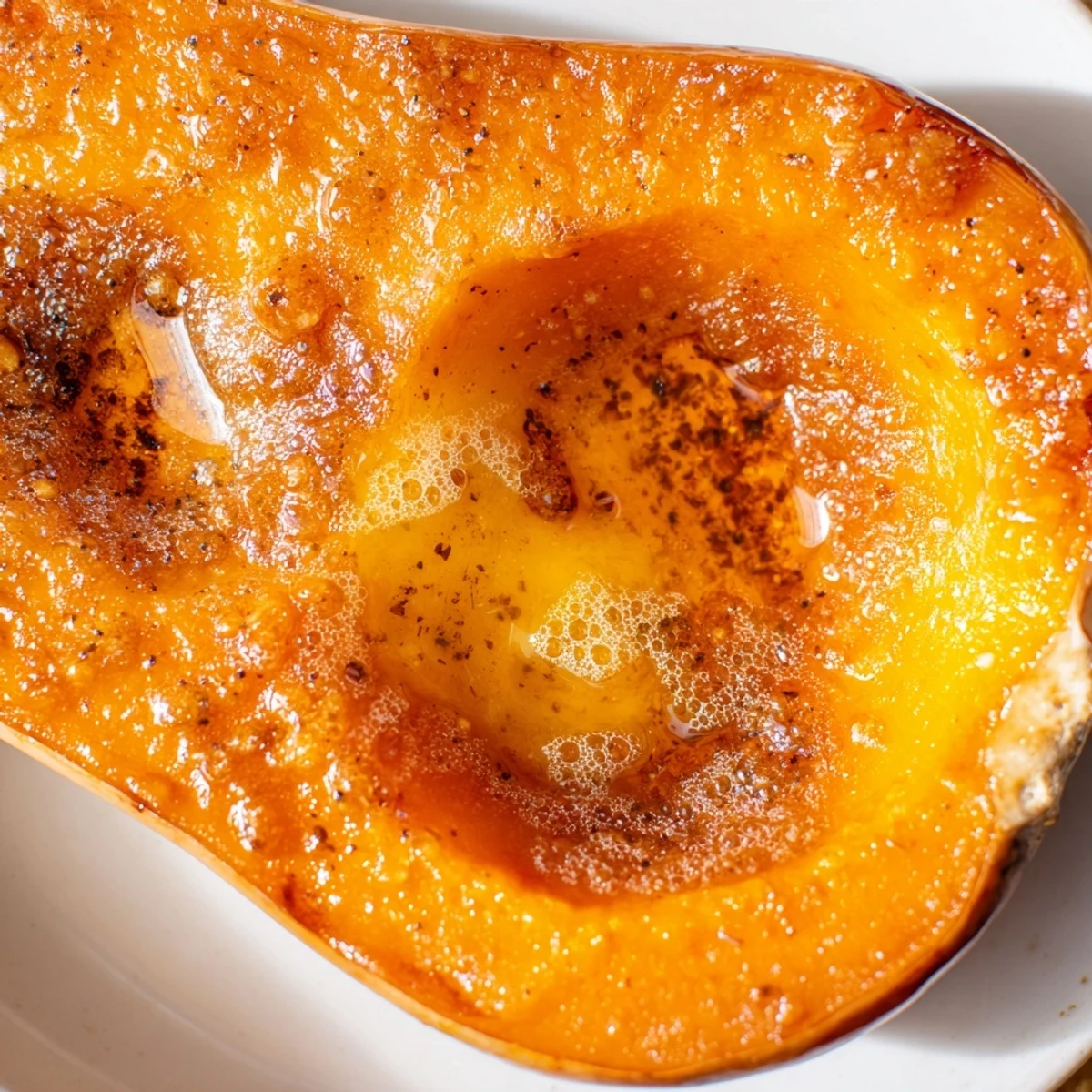
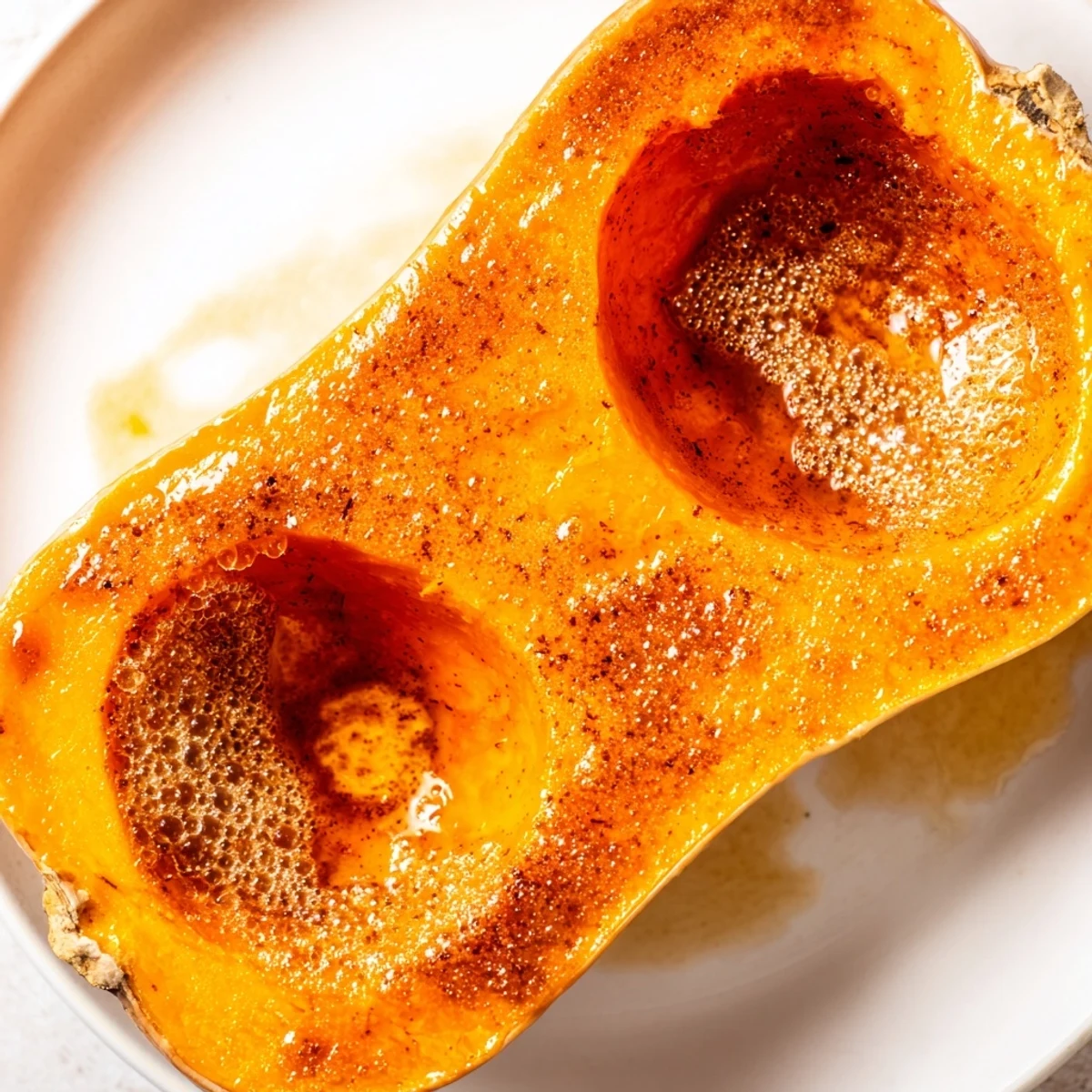
Save Roast seasoned acorn or butternut squash halves until perfectly tender. While they bake, whip softened butter with brown sugar, cinnamon, and nutmeg to create a rich glaze. Flip the squash, generously spoon the sweet mixture over the flesh, and return to the oven until melted and bubbling. Serve warm for an ideal autumn side.
There's something about the smell of roasted squash that takes me back to my aunt's kitchen on a cold October afternoon, when she'd casually halve a butternut squash and let it roast while we caught up over coffee. I didn't think much of it then—just another side dish—but the moment she pulled it from the oven and spooned that glossy brown sugar butter over the steaming flesh, I realized I'd been missing something simple and utterly satisfying. Now I make this whenever I want that same feeling: warmth, comfort, and the kind of food that doesn't ask for much but gives everything.
I made this for a potluck once and watched my coworker Mike—who claimed he didn't like squash—eat two halves and ask for the recipe. The look on his face when that buttery glaze hit his tongue was worth every minute of prep time. That's when I knew this wasn't just another roasted vegetable dish.
Ingredients
- Acorn or butternut squash (2 medium): These two are your best friends here—acorn is slightly sweeter and nuttier, while butternut is creamier and more delicate.
- Olive oil (2 tablespoons): A good quality oil helps the squash skin get golden and a little crispy at the edges.
- Kosher salt and freshly ground black pepper: Don't skip the freshly ground pepper; the flavor difference is real.
- Unsalted butter (4 tablespoons), softened: Softening it ahead of time makes mixing the glaze effortless.
- Brown sugar, packed (3 tablespoons): Pack it down so you get that deep molasses flavor without any dry pockets.
- Ground cinnamon and nutmeg: A pinch of each brings warmth and depth that makes people wonder what your secret is.
Instructions
- Heat your oven and prep:
- Get that oven to 400°F and line a baking sheet with parchment paper so nothing sticks and cleanup is a breeze.
- Halve and seed:
- Cut your squash lengthwise and scoop out all those seeds and stringy bits with a sturdy spoon. Don't be shy—get it all out so the butter has a nice cavity to settle into.
- Oil, season, and arrange:
- Brush those cut sides generously with olive oil, then sprinkle salt and pepper over them. Lay the halves flat on your baking sheet with the cut side down.
- First roast:
- Let them go for 35 to 40 minutes until the flesh is so tender a fork sinks through without resistance. You want it almost falling apart.
- Make the glaze while you wait:
- In a small bowl, stir together your softened butter, brown sugar, cinnamon, and a pinch of nutmeg until it's smooth and spreadable. The mixture will look almost like frosting.
- Flip and top:
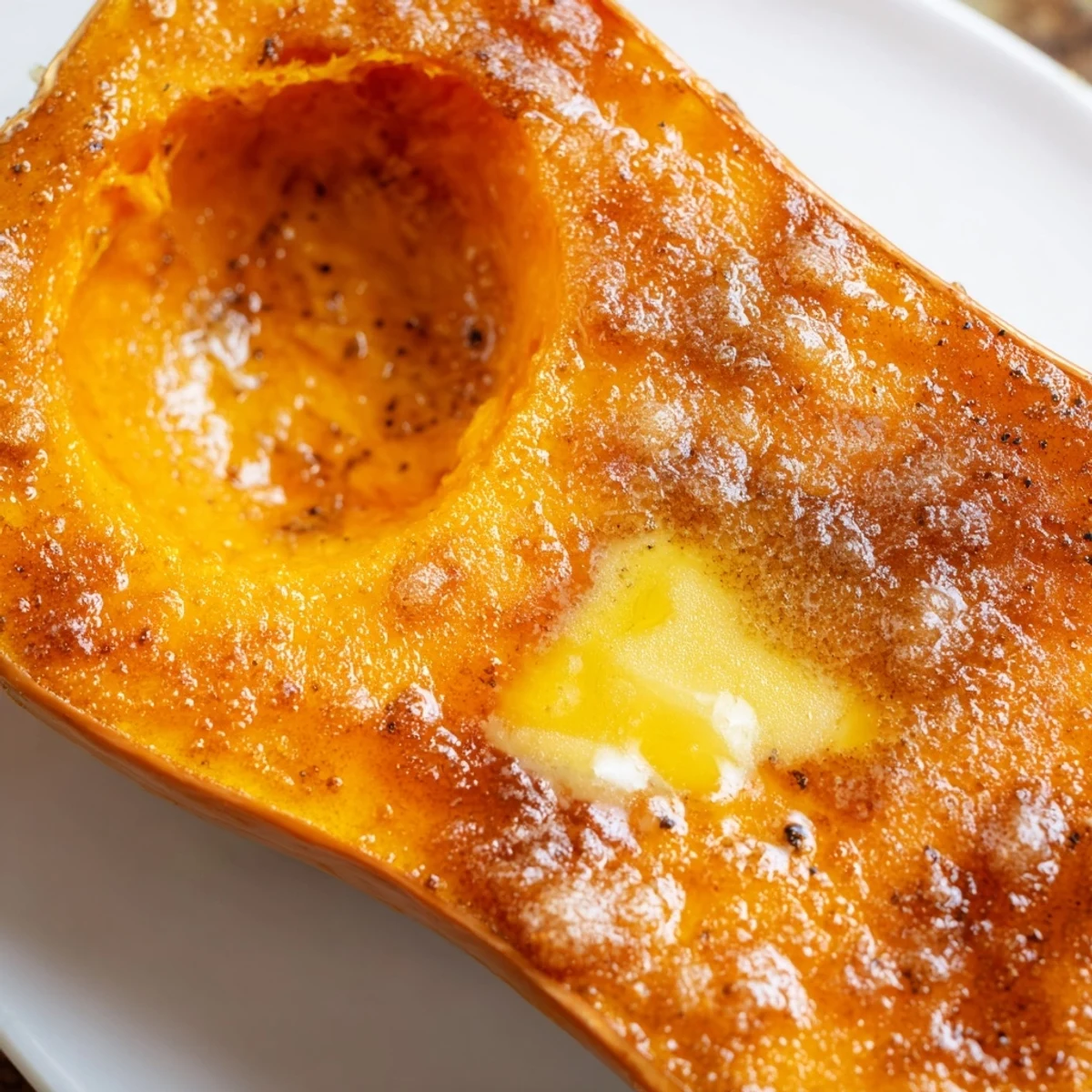
- Once the squash is tender, flip each half cut side up and spoon that brown sugar butter evenly across the flesh. Watch how it starts to melt into all the little crevices.
- Final glaze roast:
- Return to the oven for just 5 to 7 more minutes until the butter is bubbling and golden around the edges. This last bit is where the magic happens.
- Serve and savor:
- Transfer to a plate while hot and spoon any remaining glaze from the pan over the top. Eat it straight from the skin if no one's watching.
 Save
Save I'll never forget the first time someone told me this was their favorite dish at a dinner party I hosted, and they went back for seconds before anyone else had finished their first serving. It was just roasted squash with butter, but somehow it mattered.
Choosing Your Squash
Acorn squash is smaller, slightly sweeter, and has a more delicate flesh that soaks up the butter beautifully. Butternut is larger and creamier, with a deeper, nuttier flavor that holds its own against the brown sugar. I've also had great success with delicata squash, which has an almost creamy texture, and kabocha, which is denser and earthier. Pick whichever sounds good to you—they'll all work, just adjust roasting time slightly if your halves are significantly larger or smaller.
The Brown Sugar Butter Magic
The real trick here is understanding that brown sugar butter becomes something entirely different when it melts into the hot squash. The molasses notes from the brown sugar caramelize slightly, the cinnamon releases its warmth, and everything becomes this glossy, almost toffee-like glaze. If you want to play around, maple syrup works beautifully instead of brown sugar for a more subtle sweetness, or add a tiny pinch of cardamom if you're feeling adventurous.
Variations and Make-Ahead Tips
You can roast the squash halves completely, refrigerate them, and add the butter glaze just before serving—just add a few extra minutes in the oven to warm everything through. For extra richness, sprinkle toasted pecans or walnuts right before serving, or drizzle with a touch of balsamic vinegar for something unexpected. This dish is naturally vegan-friendly if you swap in a good quality dairy-free butter, and it reheats beautifully the next day.
- Toast your nuts in a dry skillet for just two minutes before sprinkling to bring out their deepest flavor.
- A light sprinkle of sea salt on top right before eating cuts through the richness in the best way.
- Leftovers are quietly perfect cold straight from the fridge the next morning.
 Save
Save This is the kind of recipe that proves the best cooking doesn't require complexity or long ingredient lists. Just good timing, good butter, and the willingness to let simple things be delicious.
Recipe FAQs
- → Can I use other types of squash?
-
Yes, delicata or kabocha squash work wonderfully as substitutes for acorn or butternut.
- → How should I store leftovers?
-
Store leftovers in an airtight container in the refrigerator for up to three days.
- → Is this dish vegan-friendly?
-
It is not vegan as written, but you can easily substitute the butter with a dairy-free alternative.
- → What toppings add extra crunch?
-
Sprinkle toasted pecans or walnuts over the top before serving for added texture and richness.
- → Can I use maple syrup instead?
-
Yes, replacing brown sugar with maple syrup offers a delicious variation on the glaze.