
 Save
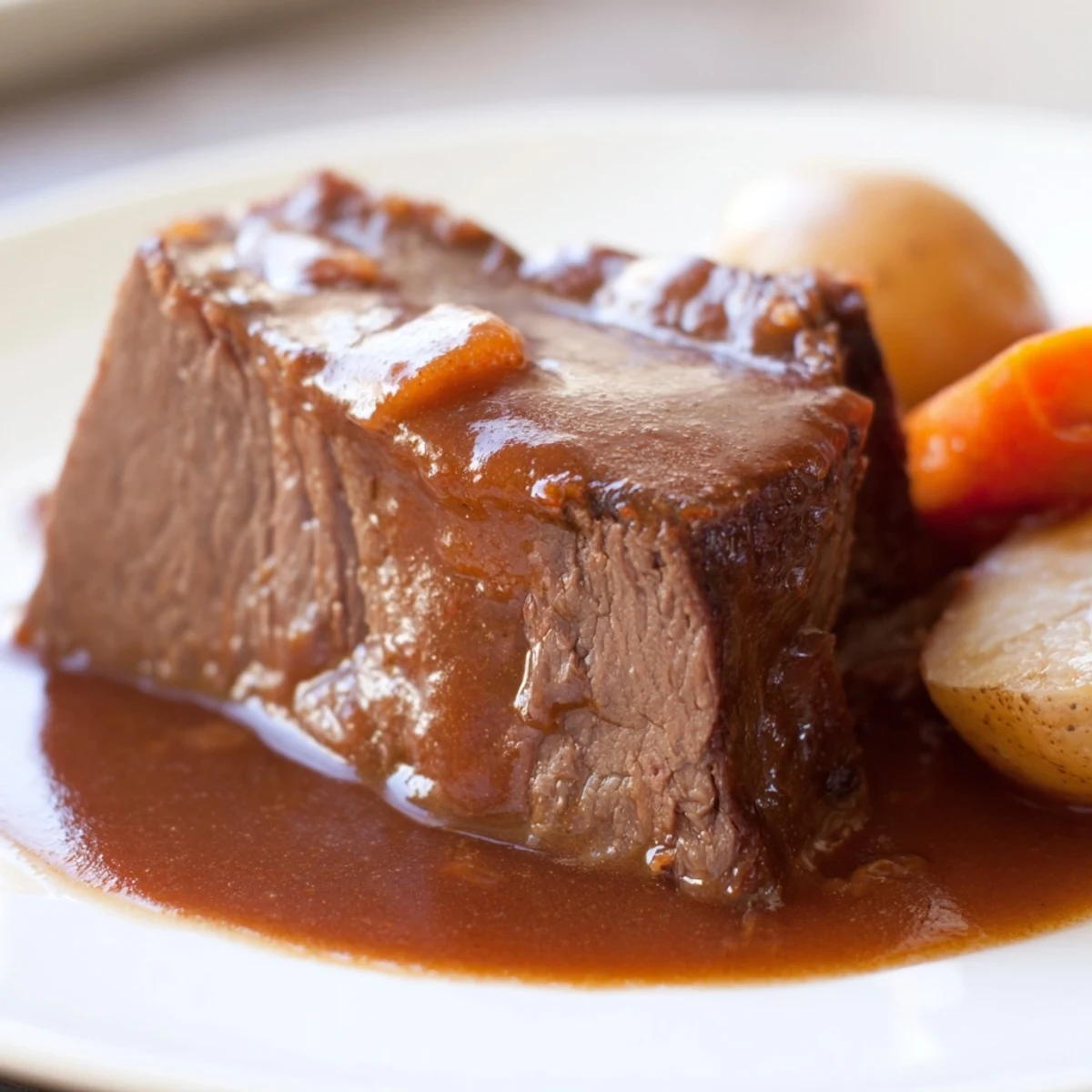
Save This dish features beef chuck seared to perfection, layered over baby potatoes, carrots, and onions, then slow-cooked to tender bliss. The flavorful broth is transformed into a smooth gravy by mixing cornstarch slurry and simmering until thickened. The result is melt-in-your-mouth beef paired with soft vegetables and a rich sauce, ideal for an easy, comforting main course. Variations include adding red wine or swapping vegetables for variety. Perfect for gluten-free options using certified ingredients.
There's something almost magical about coming home to the smell of a pot roast that's been slowly coaxing its flavors out all day long. My neighbor once told me she'd started her slow cooker before leaving for work, and by the time her family arrived home, the whole kitchen smelled like a cozy Sunday dinner—even though it was Tuesday. That conversation stuck with me, and I realized I'd been overlooking one of the easiest ways to put a real meal on the table without the last-minute rush.
I made this for my sister's family on a cold Sunday, and her youngest asked for seconds of the gravy alone—just gravy, spooned into a bowl. That's when I knew I'd nailed something special, not because of technique or fancy ingredients, but because it tasted like home in a way that made people want to linger at the table.
Ingredients
- Beef chuck roast (3 lb): This cut is marbled with fat and connective tissue that breaks down during long, slow cooking, turning everything silky and rich—cheaper cuts genuinely work better here than lean beef.
- Baby potatoes (1½ lb, halved): They stay intact and creamy inside while the edges soften, so you get the best texture without having to peel anything.
- Carrots (4 large, 2-inch pieces): Cut them a bit chunky so they don't disappear into mush, and they'll still be sweet and substantial after eight hours.
- Yellow onion (1 large, wedged): The onion dissolves slightly into the broth while releasing its natural sugars, creating depth without tasting onion-forward.
- Garlic (3 cloves, minced): Mince it fine so it distributes evenly—whole cloves can overpower, but tiny pieces mellow into the background.
- Kosher salt (2 tsp) and black pepper (1 tsp): Season generously on the meat before searing; this is where most of your flavor foundation happens.
- Dried thyme and rosemary (1 tsp each): These herbs stay fresh-tasting even after eight hours, unlike delicate herbs that would fade.
- Beef broth (2 cups): Use good broth if you can—it's the backbone of your gravy, so it's worth buying something you'd actually drink on its own.
- Tomato paste (2 tbsp): A small amount adds savory depth and helps the gravy develop color without making it taste tomatoey.
- Worcestershire sauce (2 tbsp): This brings umami and a subtle tang that rounds out all the beef flavors beautifully.
- Cornstarch slurry (2 tbsp cornstarch plus 2 tbsp water): This is your gravy thickener—whisking cornstarch with cold water first prevents lumps from forming.
Instructions
- Season and sear the roast:
- Pat the beef dry with paper towels, then coat all sides generously with salt, pepper, thyme, and rosemary. Heat a large skillet over medium-high heat until it's really hot—you want a good sizzle when the meat hits the pan. Sear each side for 2 to 3 minutes until a dark brown crust forms; this isn't about cooking the beef through, it's about building flavor.
- Build your slow cooker base:
- Pile the halved potatoes, carrot pieces, onion wedges, and minced garlic into the bottom of your slow cooker. This vegetables-first approach means they're cushioned from the heat and won't overcook on the bottom.
- Nestle in the roast:
- Place your seared roast directly on top of the vegetables. It doesn't need to be perfectly centered—just nestled in comfortably.
- Make the braising liquid:
- In a separate bowl, whisk together the beef broth, tomato paste, and Worcestershire sauce until the tomato paste is fully dissolved and everything is smooth. This step matters because lumpy tomato paste won't distribute evenly through the pot.
- Pour and cover:
- Pour the liquid mixture over and around the roast and vegetables. Cover the slow cooker, set it to low, and let time do the work for eight hours.
- Check for doneness:
- After eight hours, the beef should shred easily with a fork, and the vegetables should be tender enough that a knife glides through them. If the roast still feels firm, give it another hour or two on low.
- Rest and remove:
- Carefully lift the roast and vegetables onto a warm platter or serving dish, keeping everything warm while you finish the gravy. This resting time also lets you skim fat from the surface of the liquid more easily.
- Skim the fat:
- Use a ladle or spoon to skim off any excess fat that has accumulated on the surface of the cooking liquid. You want rich flavor, not a greasy finish.
- Make your slurry and thicken:
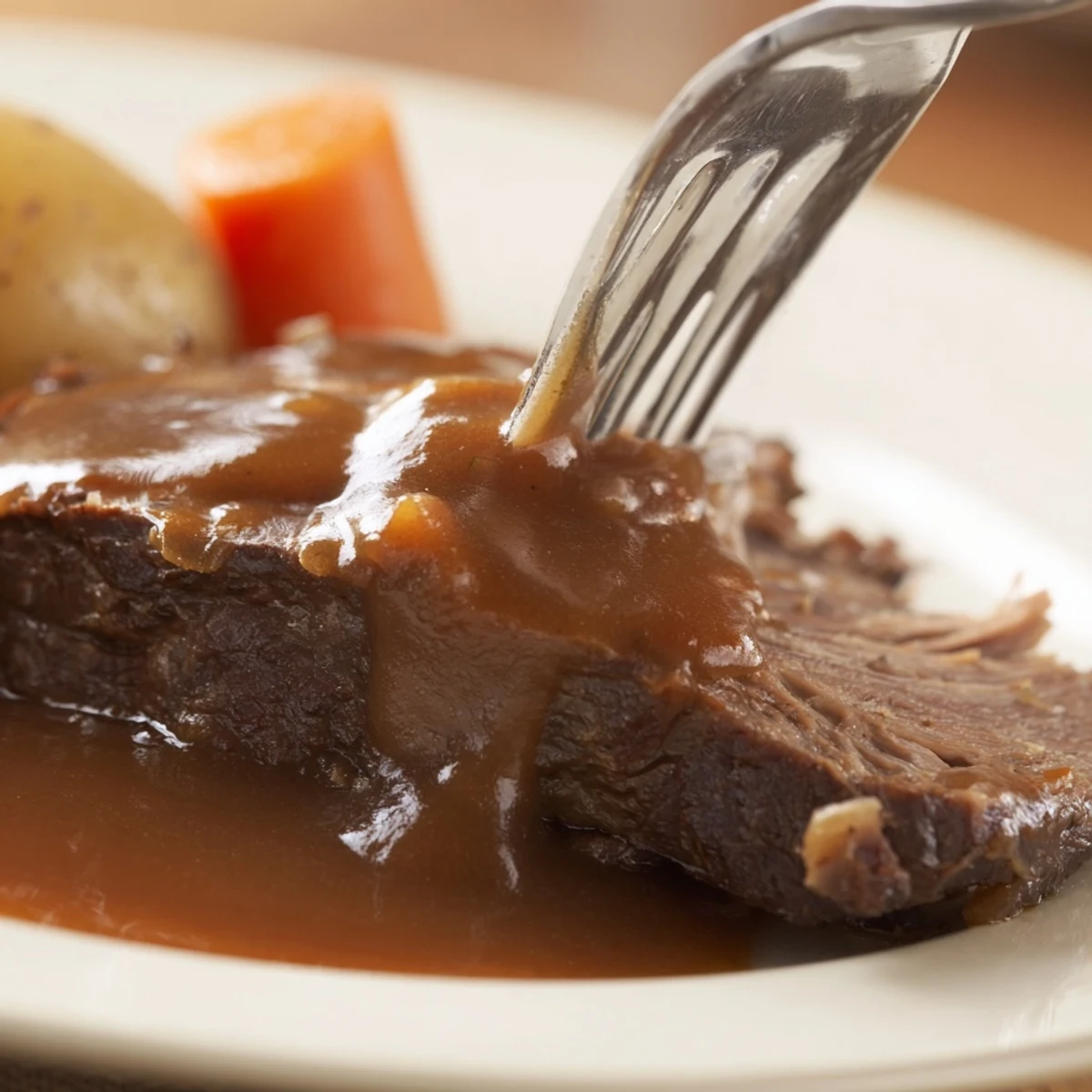
- In a small bowl, whisk cornstarch with cold water until completely smooth—lumps here will ruin your gravy's texture. Turn the slow cooker to high, stir the slurry into the hot liquid, and keep stirring occasionally for 5 to 10 minutes until the gravy coats the back of a spoon.
- Slice and serve:
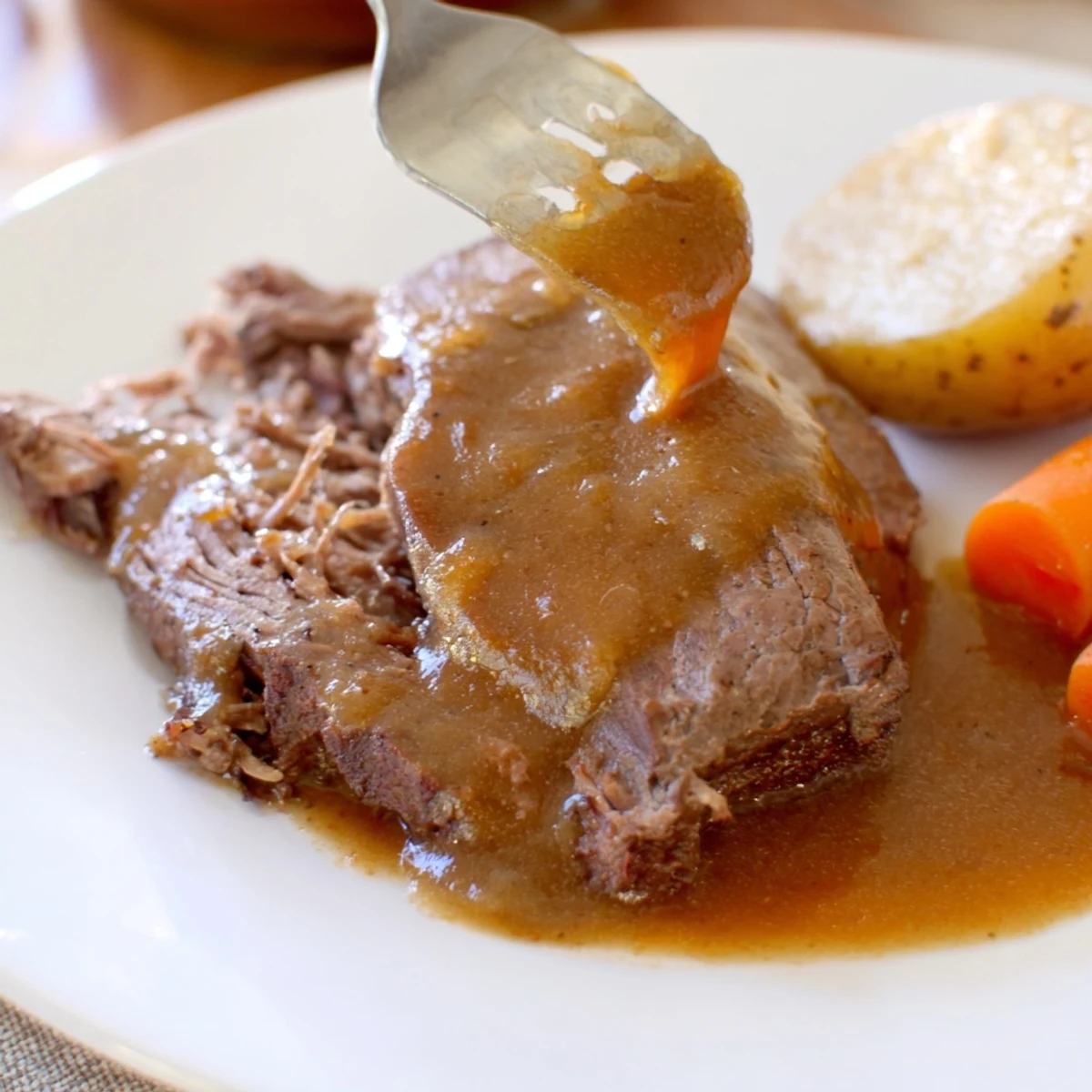
- Slice or shred the roast into generous pieces, arrange it on a platter with the vegetables, and pour that silky gravy over everything. Serve immediately while everything is still steaming.
 Save
Save What stays with me most is watching people taste this for the first time—there's always this moment of surprise that something so tender and flavorful came from one pot that sat quietly in the background all day. It's the kind of meal that reminds you that cooking doesn't have to be complicated to be memorable.
Why This Recipe Became My Go-To
I used to think impressive dinner meant standing at the stove for hours, stirring and adjusting. This pot roast flipped that idea on its head for me. It proved that the best meals sometimes come from patience rather than technical skill, and from choosing the right cut of meat and letting time handle the transformation. Now when I'm planning a dinner that needs to feel special but can't demand my attention all evening, this is the first thing I reach for.
Customizing Your Pot Roast
The beauty of this recipe is that it's flexible enough to work with what you have on hand. If you don't love carrots the way they come out of the slow cooker, try swapping some of them for parsnips or turnips—those root vegetables add a slightly different sweetness that some people actually prefer. You could also add a splash of red wine to the braising liquid if you want extra richness, though the Worcestershire sauce and tomato paste already do a lot of the heavy lifting in that department.
Serving and Pairing Ideas
This pot roast is forgiving about what you serve alongside it because the gravy is the star. Crusty bread is perfect for soaking up every last drop, but mashed potatoes, egg noodles, or even creamy polenta will all feel right at home here. If you want something lighter, a simple green salad with a sharp vinaigrette cuts through the richness beautifully and keeps the meal from feeling too heavy. The leftovers are honestly better the next day when the flavors have had time to meld, so don't hesitate to make this ahead and reheat it gently on the stovetop.
- Store leftovers in an airtight container in the refrigerator for up to four days, and the gravy will actually thicken more as it cools.
- You can also freeze the entire pot roast and gravy together for up to three months, then thaw overnight in the refrigerator before reheating.
- If you're cooking for fewer people, this recipe halves easily, though your cooking time might be 30 minutes shorter in a smaller slow cooker.
 Save
Save This pot roast is the kind of recipe that gets passed down because it works, and because it feels like someone took the time to think of you while it was cooking. I hope it brings that same quiet comfort to your table.
Recipe FAQs
- → How long should the beef cook for optimal tenderness?
-
Cooking the beef on low for 8 hours ensures it becomes fork-tender and infused with the flavors of herbs and broth.
- → Can I use other vegetables besides carrots and potatoes?
-
Yes, parsnips or turnips can be substituted to add a different flavor profile while maintaining the hearty vegetable base.
- → How is the gravy thickened in this dish?
-
A slurry made from cornstarch and cold water is stirred into the cooking liquid and simmered until the gravy reaches a smooth, thick consistency.
- → Is this dish suitable for gluten-free diets?
-
Using gluten-free beef broth and Worcestershire sauce makes this dish suitable for gluten-sensitive diets, but always check ingredient labels carefully.
- → What is the best way to sear the beef before slow cooking?
-
Heat a large skillet over medium-high heat and sear the beef on all sides for 2–3 minutes each to develop a rich crust and enhance overall flavor.
- → What are ideal side options to serve with this dish?
-
Crusty bread or mashed potatoes complement the tender beef and gravy, adding texture and soaking up the rich sauce.