
 Save
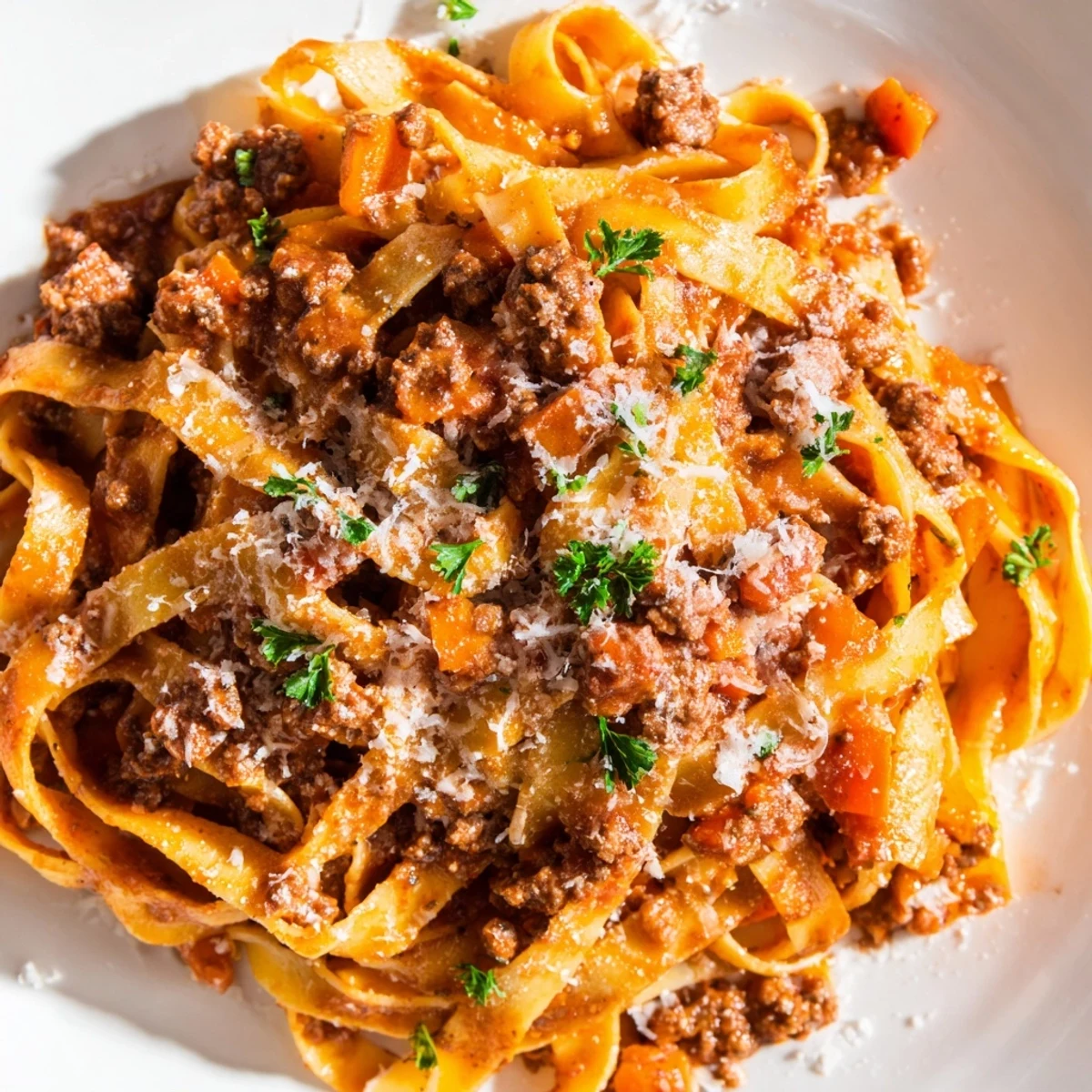
Save This hearty Italian-style ragu combines ground beef and Italian sausage slowly simmered with aromatic vegetables, tomatoes, herbs, and a splash of red wine. The low heat cooking tenderizes the meat and melds ingredients into a deep, robust sauce. Finished with cream and fresh parsley, it’s ideal for spooning over pasta or your preferred starch. Enjoy the layered flavors developed over hours of gentle simmering, balanced by savory herbs and a touch of heat from optional red pepper flakes.
There's something almost meditative about layering meat and vegetables into a slow cooker on a quiet morning, knowing that hours later your kitchen will smell like an Italian grandmother's house. I discovered this ragu on a rainy October afternoon when a friend mentioned she'd been making the same sauce every Sunday for five years—not from a recipe, but from watching her mother work. That conversation planted a seed, and now whenever the weather turns cool, this is what I reach for.
The first time I made this for actual guests, I panicked at the 6-hour mark thinking something was wrong because it looked almost too dark, too concentrated. My neighbor knocked on the door drawn by the aroma and ended up staying to taste it, and her reaction told me everything—no words needed, just her eyes closing on that first spoonful.
Ingredients
- Ground beef (80/20 blend): The ratio matters more than you'd think—too lean and the sauce tastes thin, too fatty and you're skimming grease for days.
- Italian sausage: This is where the ragu gets its personality, so don't skip it even if you're tempted.
- Onion, carrots, and celery: This trio is the foundation of everything, so take a moment to chop them properly rather than rushing.
- Garlic: Minced fine so it melts into the sauce rather than staying as little chewy bits.
- Crushed tomatoes: Canned is fine here—the long cooking transforms them beautifully.
- Tomato paste: This concentrate deepens the flavor dramatically, so don't substitute or reduce it.
- Dry red wine: It should be something you'd drink, not cooking wine from a dusty shelf.
- Beef or chicken broth: This keeps the sauce from becoming too thick and intensifies the savory notes.
- Olive oil: You need it to brown the meat properly, so use something decent.
- Oregano, basil, thyme, and bay leaf: Dried herbs work here because the long cooking brings out their oils naturally.
- Milk or heavy cream: Added at the end, this smooths out the acidity and rounds the whole thing into something silky.
- Fresh parsley and Parmesan: These are your last-minute touches that make people notice you cared.
Instructions
- Brown the meat properly:
- Heat your oil until it shimmers, then add both the beef and sausage at once. Don't stir constantly—let it sit for a minute so it gets real color and develops flavor, then break it up. You're looking for brown, crusty bits, not gray cooked meat.
- Build your aromatics base:
- Once the meat's out, add your chopped vegetables directly to the same pan so they pick up all those browned bits stuck to the bottom. This step is where the real depth comes from, so don't rush it or skip the garlic at the end.
- Transfer and assemble:
- Move everything into your slow cooker and add all your liquids and seasonings at once. Stir so nothing gets stuck on the bottom, then cover and let time do the work.
- The long, slow cook:
- Eight hours on low transforms this into something completely different from what went in—deeper, richer, the flavors all speaking together instead of separately. Stir once or twice if you remember, but don't stress if you forget.
- Finish and adjust:
- Pull out that bay leaf, stir in your milk or cream to mellow everything out, and taste. If it needs salt, add it bit by bit—you'd be surprised how much difference a pinch makes at this point.
 Save
Save I learned the real value of this recipe one winter when I made a double batch and froze half, then had a friend unexpectedly stop by months later during a rough week. Pulling that container out and watching her face light up as we reheated it together reminded me that the best recipes are the ones that keep showing up when you need them most.
Why This Sauce Works for Everything
Ragu is forgiving in a way most sauces aren't—it doesn't care if your pasta is slightly overcooked or if you're plating it five minutes later than planned. The long cooking time means the flavors are already deep and balanced, so you're not playing a delicate game. It's the kind of sauce that makes whatever you're serving it on taste better, whether that's tagliatelle or a simple bowl of spaghetti.
Storage and Make-Ahead Magic
This sauce is built for busy lives—it actually tastes better the next day after everything settles together overnight in the fridge. You can refrigerate it for up to four days, or freeze it in portions for up to three months, which means one weekend of cooking feeds you for weeks. I usually freeze it in two-cup containers so I can thaw exactly what I need without waste.
Serving Ideas and Variations
Beyond pasta, this sauce works beautifully over polenta, spooned into lasagna layers, or even served with crusty bread for soaking up every last bit. You can make it lighter by swapping ground turkey or chicken for the beef and sausage, or add a handful of chopped mushrooms in the vegetable step if you want more earthiness. If you want to stretch it further, stir in cooked white beans during the last thirty minutes and suddenly you have something that feels almost like a stew.
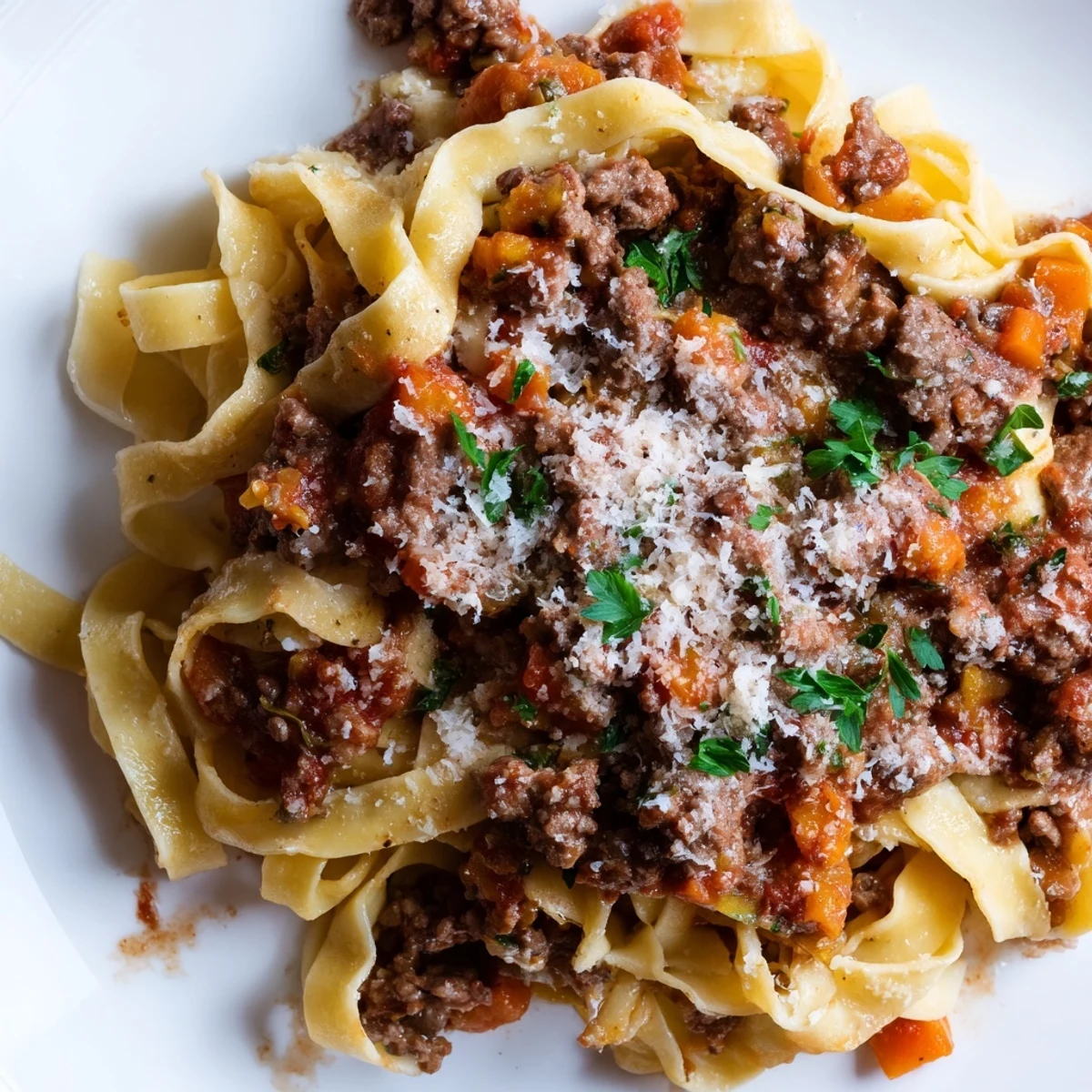
- Try serving it with hand-rolled pappardelle or the widest ribbon pasta you can find to catch all that sauce.
- A simple green salad with lemon dressing cuts through the richness beautifully.
- If you have red wine left from cooking, pour a glass and sit down—you've earned it.
 Save
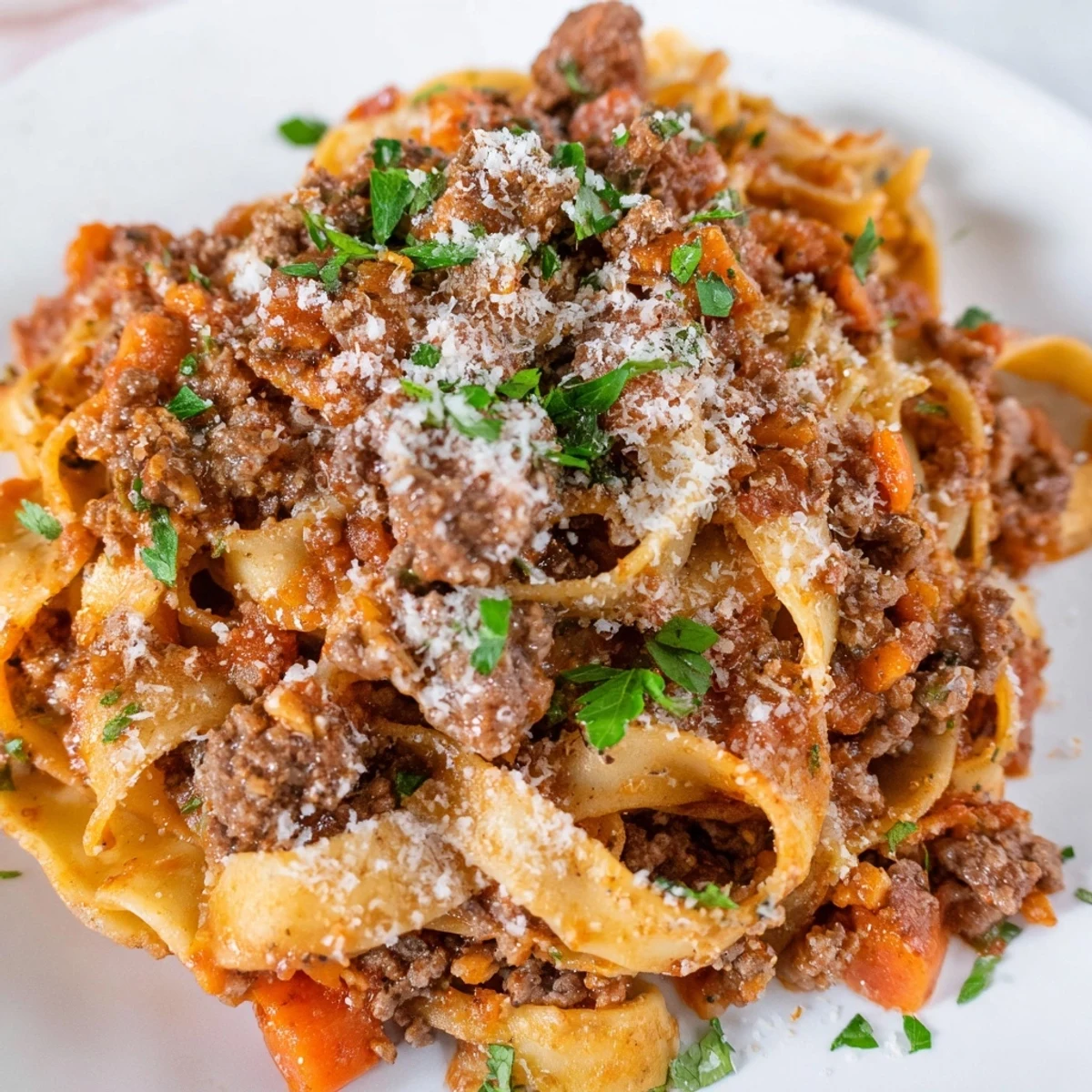
Save This ragu is the kind of recipe that rewards patience and then gives back generously, filling your kitchen and your table with something warm and real. Make it once and you'll understand why it's been made the same way for generations.
Recipe FAQs
- → What cuts of meat are best for this ragu?
-
Using a mix of ground beef (80/20) and Italian sausage provides a balanced fat content and rich flavor, creating a hearty base for the sauce.
- → Can I prepare this sauce faster?
-
While the slow simmer develops deeper flavors, browning the meat and sautéing the vegetables take only about 15 minutes; cooking on high for 4 hours also works for a quicker option.
- → What type of wine pairs well with this sauce?
-
Dry red wines like Chianti or Sangiovese complement the tomato and meat flavors, enhancing the overall depth of the sauce.
- → How can I make the sauce gluten-free?
-
The sauce itself is gluten-free, but ensure any broth or sausage used is labeled gluten-free and serve with gluten-free pasta to maintain the diet.
- → Is it necessary to add cream at the end?
-
Adding milk or cream softens the acidity and rounds out the flavors, but it can be omitted for a lighter finish if preferred.