
 Save
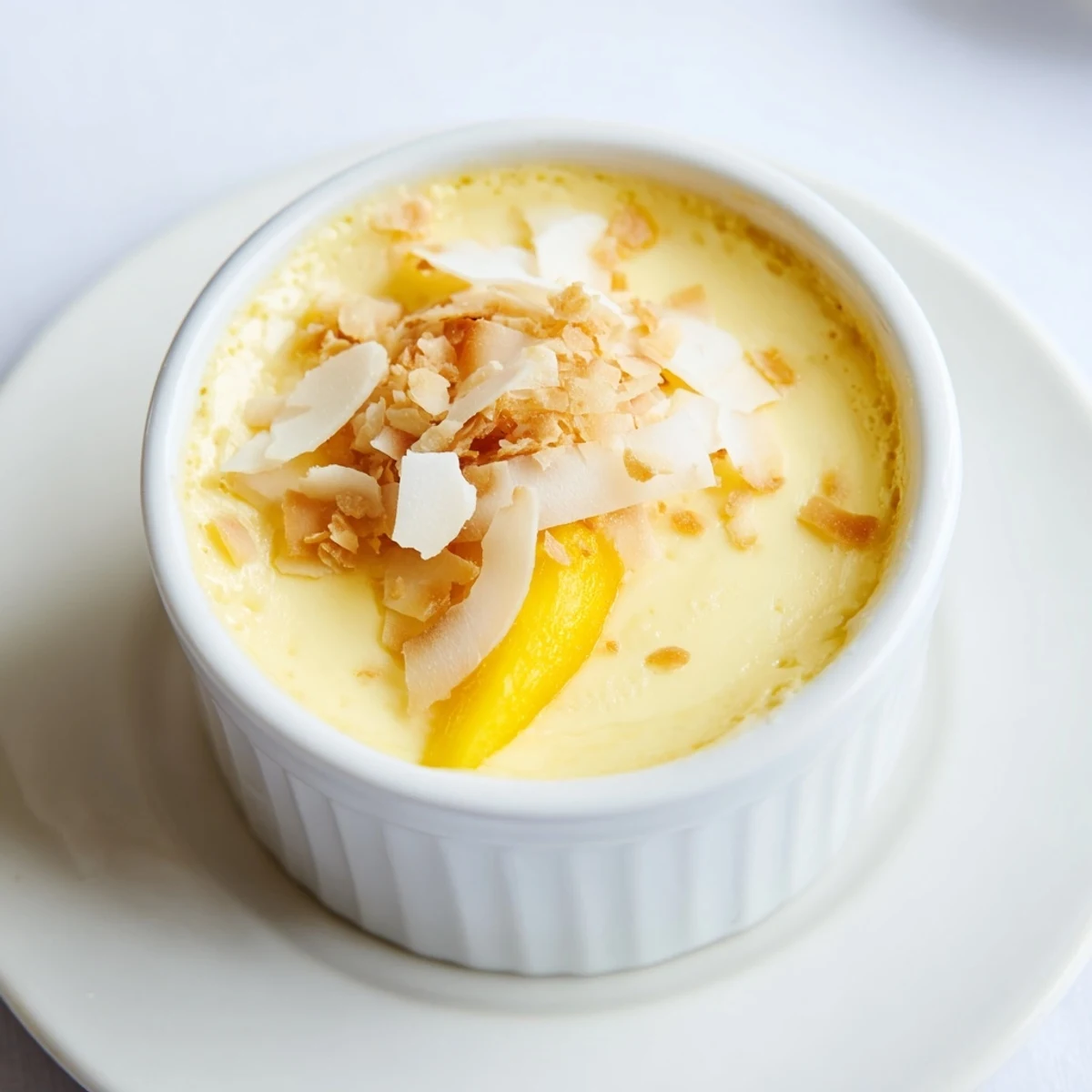
Save This traditional Thai dessert combines creamy coconut milk with eggs and aromatic palm sugar, creating a silky smooth custard that's steamed rather than baked. The gentle steaming process produces an incredibly delicate texture that practically melts on your tongue.
Perfect for those seeking dairy-free and gluten-free sweet treats, this custard delivers pure coconut essence in every spoonful. The natural sweetness from palm sugar balances beautifully with the subtle salt note, while vanilla adds an extra layer of fragrance.
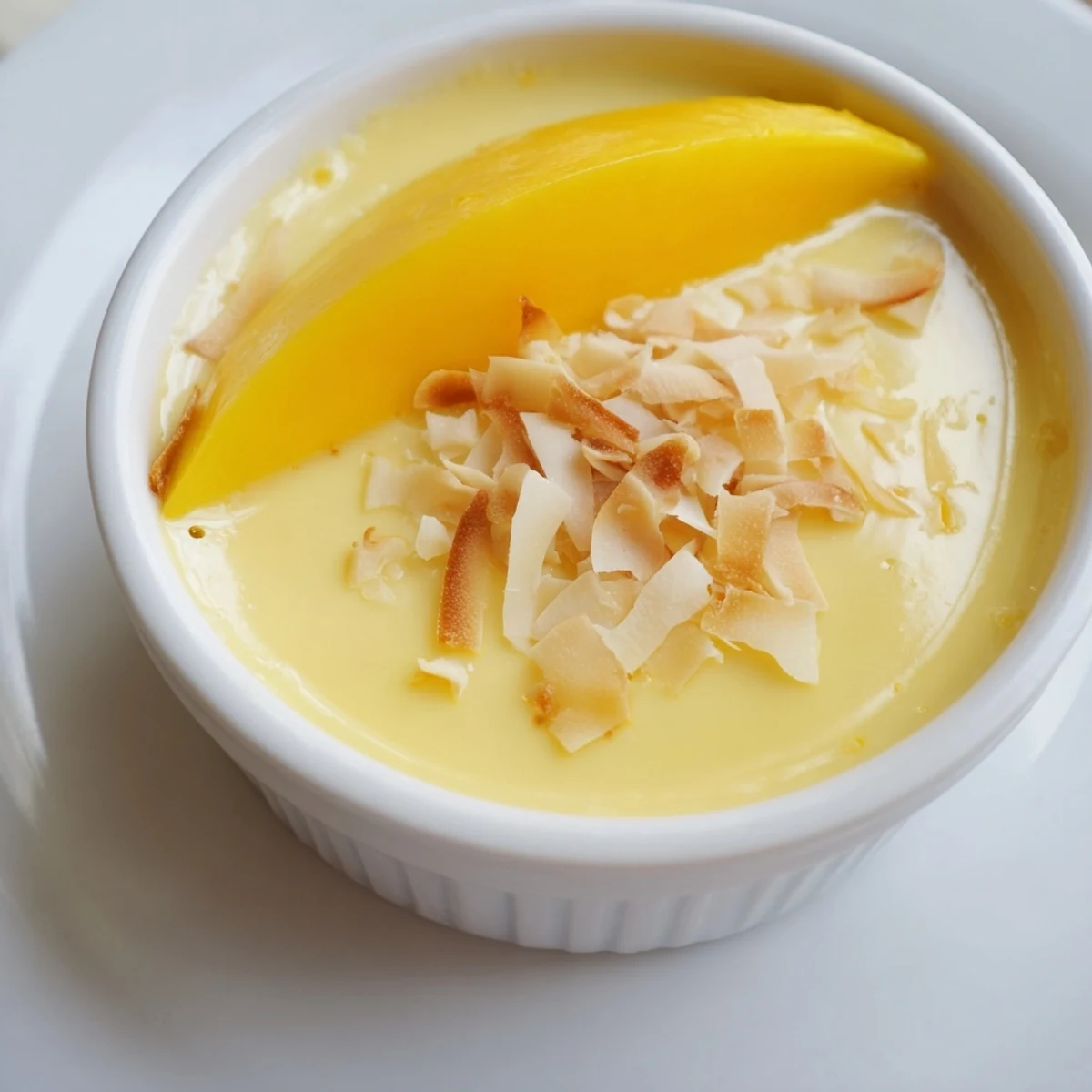
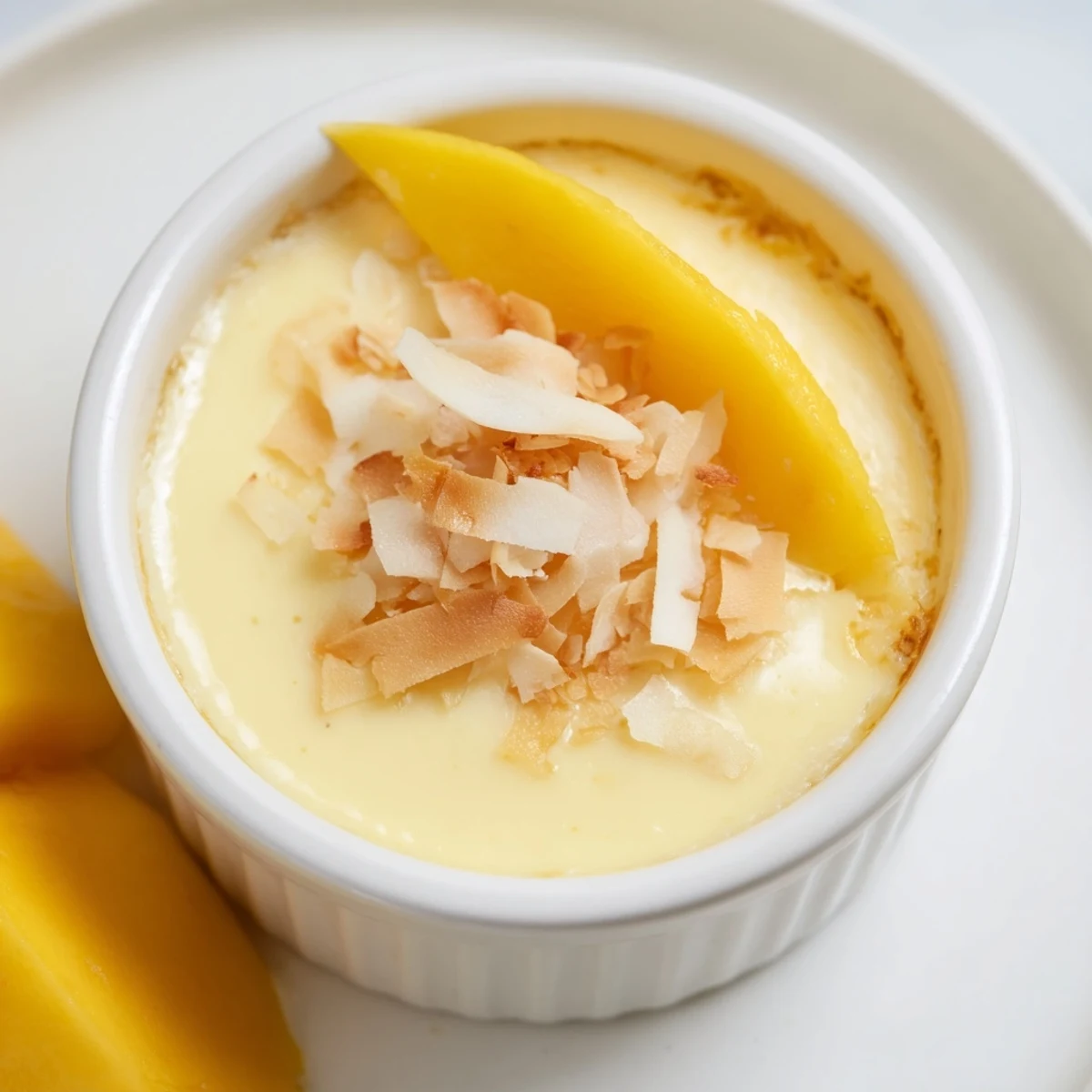
Serve chilled with toasted coconut flakes and fresh mango for an authentic Thai experience, or enjoy it plain to appreciate its pure, unadulterated coconut richness.
The first time I had coconut custard in Bangkok, it was served in a tiny ceramic bowl at a street stall near Wat Arun. The vendor handed it to me with weathered hands, and I remember thinking something so simple couldn't possibly be memorable. But that first spoonful—silky, gently sweet, with coconut hitting my senses before I even tasted it—changed my entire understanding of dessert. Now whenever I steam these little custards, my kitchen fills with that same warm coconut fragrance that makes me pause whatever I'm doing.
Last summer, my neighbor stopped by while I had a batch steaming on the stove. She stayed for an hour just because the aroma was drifting through my open kitchen window. We ended up eating them warm on the back porch while she told me about her grandmother's version with mung beans. Sometimes the simplest desserts are the ones that pull people into your kitchen and keep them there.
Ingredients
- 4 large eggs: Room temperature eggs blend more smoothly into the coconut milk
- 200 ml full fat coconut milk: The higher fat content creates that luxurious silky texture
- 100 g palm sugar: Adds subtle caramel notes, but brown sugar works beautifully too
- 1/4 tsp fine sea salt: Just enough to make the coconut flavor sing
- 1 tsp vanilla extract: Optional but adds a lovely floral undertone
Instructions
- Whisk the eggs gently:
- Beat them just until combined in a mixing bowl, avoiding overbeating which creates unwanted bubbles in your finished custard.
- Combine with coconut milk:
- whisk in the coconut milk, palm sugar, salt, and vanilla until the sugar dissolves completely.
- Strain for silkiness:
- Pour the mixture through a fine mesh sieve into a jug or measuring cup, catching any bits of egg that didn't fully incorporate.
- Portion into ramekins:
- Divide the custard evenly among four small heatproof ramekins or cups, filling each about three quarters full.
- Steam gently:
- Place ramekins in a steamer with barely simmering water, cover, and steam over low heat for 25 to 30 minutes until just set with a slight wobble in the center.
- Cool completely:
- Remove from the steamer and let cool to room temperature, then refrigerate for at least an hour before serving for the best texture.
- Add toppings and serve:
- Sprinkle with toasted coconut and arrange fresh fruit on top just before serving.
 Save
Save My daughter now requests these for her birthday instead of cake. Something about the quiet elegance of them, how they feel special without being fussy. Last year she helped me top them with mango slices and we ate them on the floor of the living room, feeling like we were celebrating something much bigger than just another year older.
The Secret to Silky Texture
Straining the mixture through a fine mesh sieve is absolutely essential. I learned this the hard way after skipping it once and ending up with tiny cooked egg bits throughout. That extra thirty seconds makes the difference between homemade custard and something you'd get at a restaurant.
Making It Your Own
Sometimes I infuse the coconut milk with a pandan leaf before mixing if I can find it at my Asian market. The subtle grassy, vanilla flavor takes this custard to another level completely. But even plain, the coconut flavor is so pronounced and comforting that you don't really need to add anything else.
Perfect Serving Moments
These custards work beautifully for everything from dinner parties to quiet Tuesday nights when you need something sweet but not heavy. I've served them after spicy Thai meals, brought them to potlucks, and eaten them straight from the fridge at midnight. They're endlessly adaptable and always feel like a treat.
- Try them topped with fresh mango slices in summer or warm poached pears in colder months
- A sprinkle of sesame seeds adds just enough crunch to contrast the silky custard
- Make them a day ahead, they actually taste better after resting overnight
 Save
Save There's something deeply comforting about a dessert that requires only patience and simple ingredients. Every time I lift the steamer lid and see those perfectly set custards wobbling slightly, I feel like I've captured a little piece of Thai sunshine right in my own kitchen.
Recipe FAQs
- → What makes Thai coconut custard different from regular custard?
-
Thai coconut custard uses coconut milk instead of dairy milk and is steamed rather than baked. This cooking method creates a silkier, more delicate texture while infusing the custard with pure coconut flavor. The addition of palm sugar gives it a unique caramel-like sweetness that you won't find in traditional Western custards.
- → Can I make this custard without a steamer?
-
Yes, you can create a makeshift steamer by placing a heatproof rack inside a large pot with an inch of water. Alternatively, bake in a water bath at 325°F (160°C) for about 35-40 minutes, though the texture will be slightly denser than the steamed version.
- → Why should I strain the custard mixture?
-
Straining through a fine mesh sieve removes any egg whites that didn't fully incorporate and eliminates air bubbles. This step is crucial for achieving that signature silky smooth texture without any foam or imperfections on the surface.
- → How long can I store Thai coconut custard?
-
The custard keeps well in the refrigerator for up to 3 days when stored in airtight containers. The texture remains excellent, making it perfect for meal prep. However, add toppings like toasted coconut or fresh fruit just before serving to maintain their crispness and freshness.
- → What can I use instead of palm sugar?
-
Light brown sugar makes an excellent substitute and provides similar caramel notes. Maple sugar or coconut sugar also work well. Keep in mind that palm sugar has a distinct depth of flavor, so the taste profile will shift slightly depending on your chosen alternative.
- → Why is my custard curdled or grainy?
-
Curdling usually results from steaming at too high a temperature or overcooking. Always maintain gentle simmering water and remove the custard while it still has a slight wobble in the center. Overbeating the eggs can also introduce too much air, leading to a textured finish.