
 Save
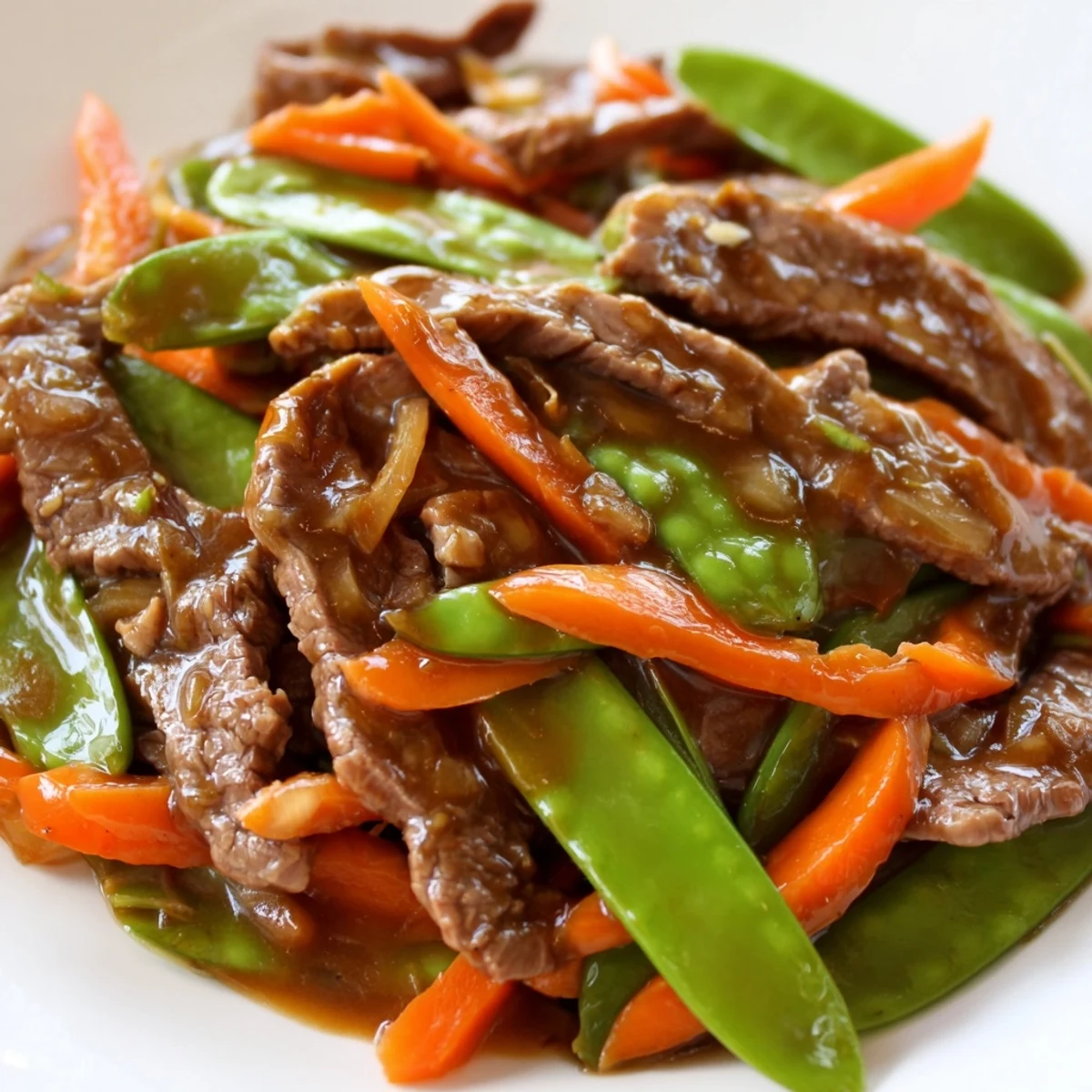
Save This dish features tender slices of beef quickly cooked with crisp snow peas and julienned carrots. Marinated in soy, oyster, and hoisin sauces, the beef absorbs rich, savory flavors that harmonize with the sweet crunch of vegetables. Stirred together in a hot wok, the ingredients create a vibrant and satisfying dish ideal for busy weeknights. Garnished with scallions and served with steamed rice or noodles, it strikes a perfect balance of textures and tastes, delivering a wholesome and colorful meal.
There's something almost meditative about the sizzle of hot oil hitting a wok, that precise moment when you know everything needs to move fast. I discovered this beef stir fry on a Tuesday night when I had exactly twenty-five minutes before guests arrived and nothing but some beef, vegetables, and a half-empty bottle of soy sauce. What started as controlled panic became one of those dishes I'd make again and again, not because it's fancy, but because it tastes like you actually know what you're doing in the kitchen.
I remember cooking this for my sister on a random Thursday, and she kept asking what restaurant I'd ordered from because she couldn't believe I'd made it at home. The smell alone—garlic, ginger, soy, sesame—had filled the whole apartment by the time the beef went back into the wok, and there was this little moment where I felt genuinely proud of something so simple and so good.
Ingredients
- Flank steak or sirloin, thinly sliced: Slicing against the grain is the secret to tenderness; I learned this the hard way after chewy first attempts. Buy the beef a day ahead and pop it in the freezer for thirty minutes before slicing—it's much easier to cut cleanly.
- Snow peas: Their crunch is essential, so don't skip them or cook them too long or they become sad and limp.
- Carrots, julienned: Match the thickness of your snow peas so everything cooks at roughly the same speed.
- Soy sauce: Use full-sodium soy sauce here; low-sodium versions taste thin and hollow in this dish.
- Oyster sauce: This ingredient adds umami depth that makes people wonder what your secret is.
- Hoisin sauce: A small amount brings sweetness and body without overwhelming.
- Cornstarch: This coats the beef and helps it brown faster while also thickening the sauce beautifully.
- Rice vinegar: The acidity brightens everything; don't use regular white vinegar, which tastes too harsh.
- Sesame oil: A little goes a long way—it's fragrant and potent, the finishing touch that says you understand flavor.
- Garlic and ginger: Mince the garlic finely and grate the ginger so it dissolves into the sauce rather than getting chunky.
- Vegetable oil: Use an oil with a high smoke point; peanut oil is traditional, canola works too.
Instructions
- Coat and rest the beef:
- Toss your beef strips in soy sauce and cornstarch, then let them sit for ten minutes—this gives the starch time to create a light crust and seasons the meat all the way through. Don't skip this step; it's the difference between rubbery beef and tender, flavorful strips.
- Build your sauce:
- Whisk everything together in a small bowl while the beef rests so you're not fumbling with bottles and spoons once the wok gets hot. Taste it with a spoon if you want to adjust the balance—a little more soy if it feels too sweet, a splash more vinegar if it feels flat.
- Sear the beef:
- Heat one tablespoon of oil in your wok over high heat until it's smoking slightly, then add the beef in a single layer and let it sit for thirty seconds before stirring—this creates those golden, caramelized edges. Don't crowd the wok; if your beef piles up, work in two batches, and remove it to a plate as soon as it's browned.
- Cook the vegetables:
- Add the second tablespoon of oil, then the carrots first since they take longest, stirring constantly for about two minutes until they start to soften but still have snap. Then add the snow peas and keep moving everything for another minute or two until they're bright and just barely tender.
- Finish with sauce and beef:
- Pour the sauce back in with the beef and toss everything together over the heat for another minute or so, watching as the cornstarch thickens it into something glossy and cling. Taste it and add a pinch more salt if needed—sometimes you do, sometimes you don't.
 Save
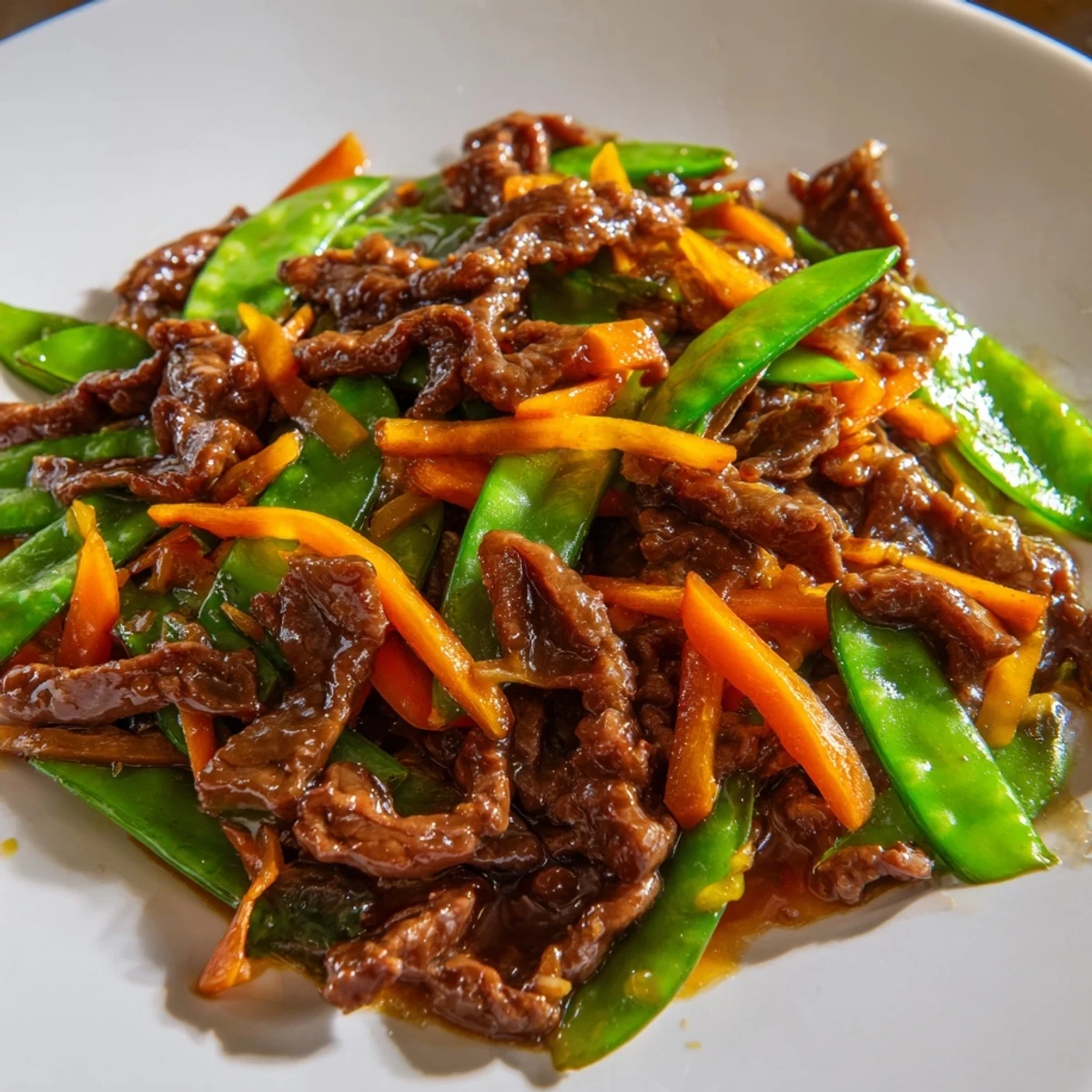
Save This dish became a regular because it proved to me that you don't need complicated techniques or obscure ingredients to make something restaurant-quality. It's the kind of meal that feels a little bit special every time you make it, even on an ordinary Tuesday night when you're just trying to feed yourself.
The Wok's Secret
A wok is ideal for this because of its high, sloping sides and the way heat concentrates at the bottom, but honestly, a large skillet works fine if that's what you have—just make sure it's really hot before you start. The larger surface area means more room for the beef to spread out and brown instead of steam, and that makes all the difference.
When You're Short on Time
Everything about this dish is designed to be fast, which is why it's become my default when I'm hungry and don't want to wait. You can prep all the vegetables and mix the sauce while the beef marinates, so by the time you turn on the heat, you're literally just cooking for ten minutes straight.
Small Variations That Matter
I've made this with sugar snap peas when snow peas weren't available, added sliced bell peppers because they were in my crisper drawer, and once threw in some mushrooms and honestly, it all works. The formula stays the same—quick-cooking vegetables, good sauce, properly cooked beef—so you can be flexible without losing the spirit of the dish.
- A pinch of crushed red pepper or a drizzle of chili oil at the end turns up the heat if you want it spicier.
- Serve it over jasmine rice, brown rice, or soba noodles depending on what feels right that night.
- For gluten-free versions, swap in tamari instead of soy sauce and check your other sauces for hidden gluten.
 Save
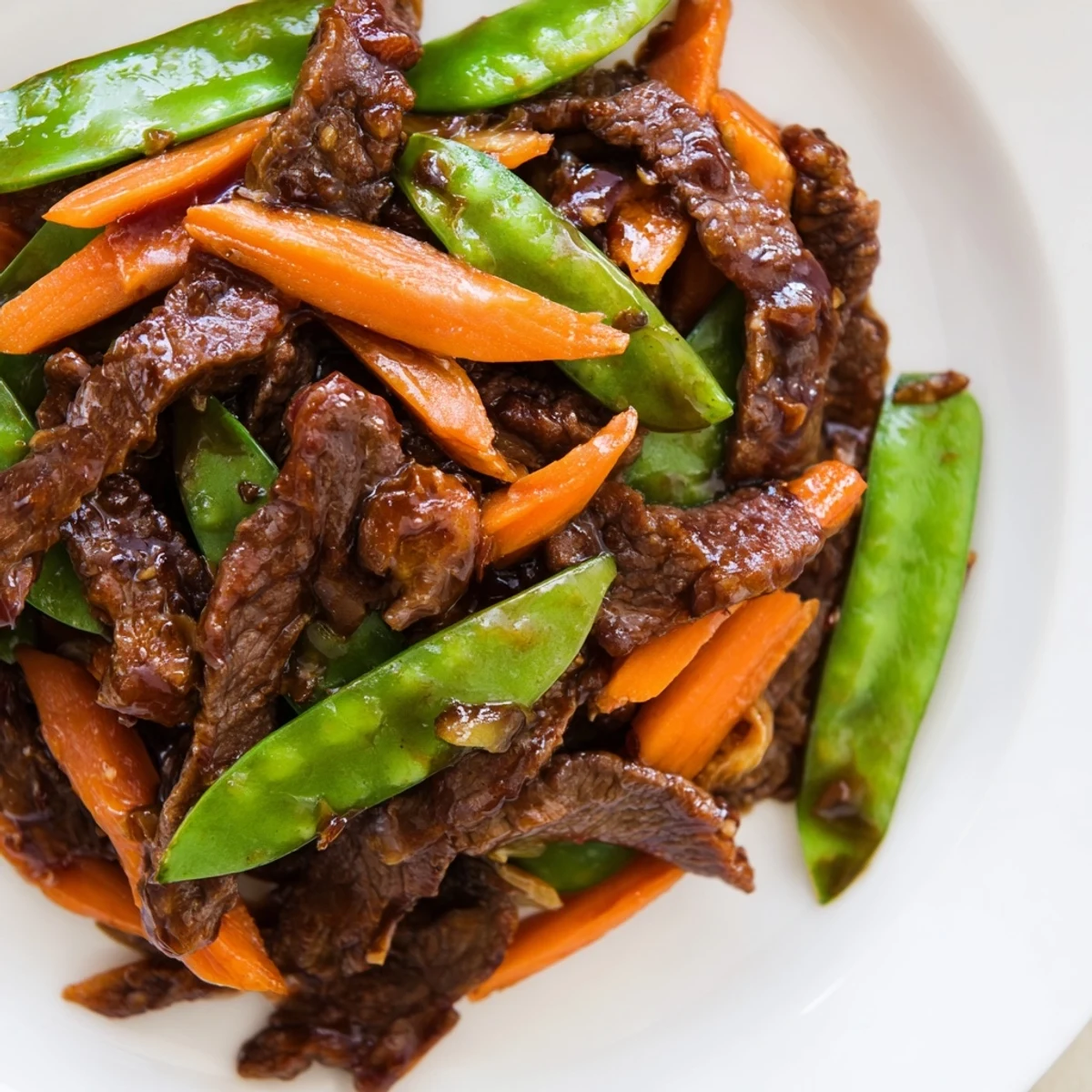
Save This is the kind of dish that gives you confidence in the kitchen and leaves you satisfied at the dinner table. Once you make it once, you'll find yourself reaching for it whenever you want something delicious that doesn't ask much of you.
Recipe FAQs
- → What cut of beef works best?
-
Flank steak or sirloin, thinly sliced against the grain, ensures tenderness and quick cooking.
- → Can I substitute snow peas?
-
Yes, sugar snap peas or sliced bell peppers add similar crunch and flavor variations.
- → How do I keep the vegetables crisp?
-
Stir fry vegetables quickly over high heat to maintain their vibrant color and firm texture.
- → What oils are ideal for stir frying?
-
Vegetable oils like canola or peanut oil have high smoke points suitable for stir frying at high heat.
- → How can I make it gluten-free?
-
Use tamari in place of soy sauce and select gluten-free oyster and hoisin sauces.
- → Can I add spice to this dish?
-
A pinch of crushed red pepper or a drizzle of chili oil adds heat without overpowering the flavors.