
 Save
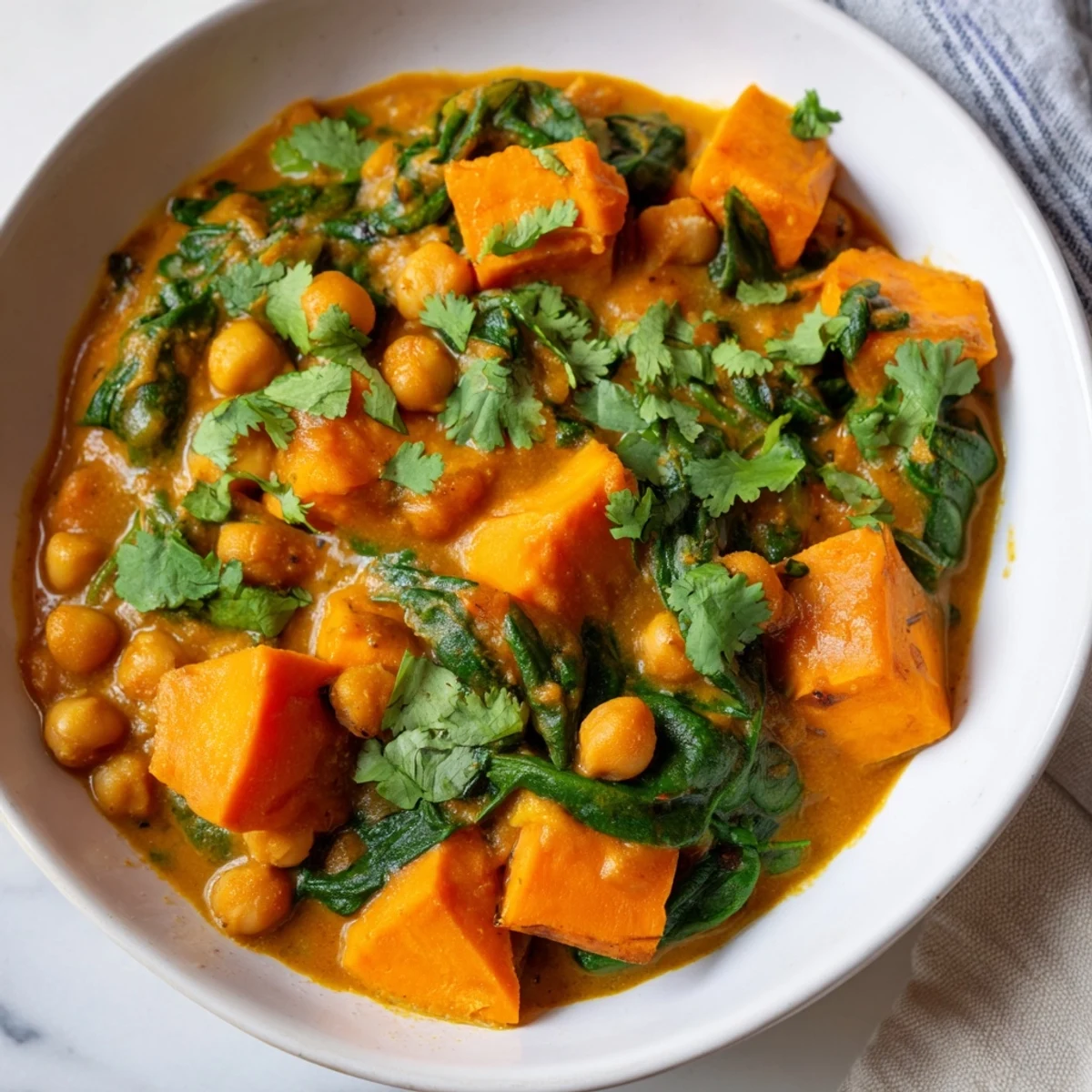
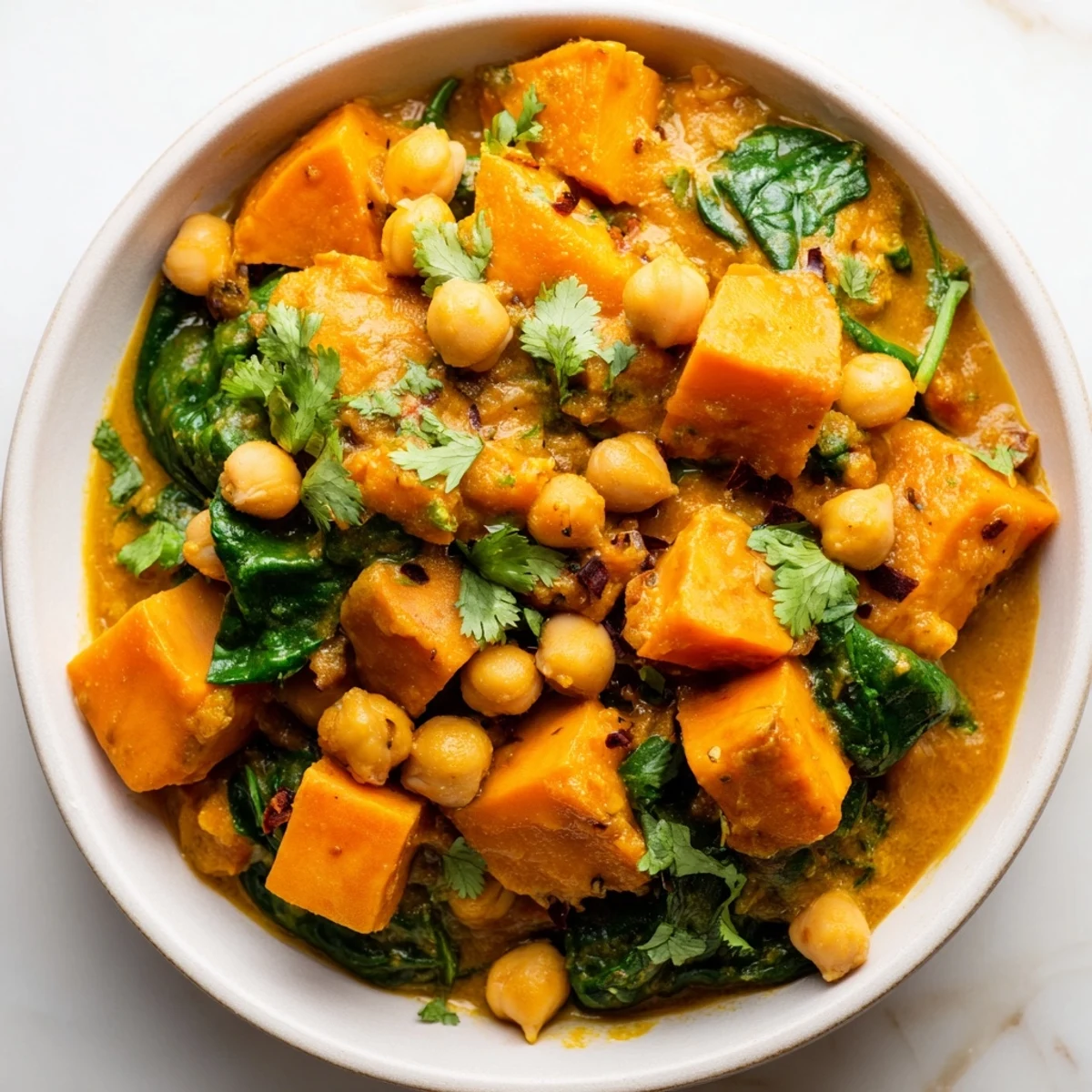
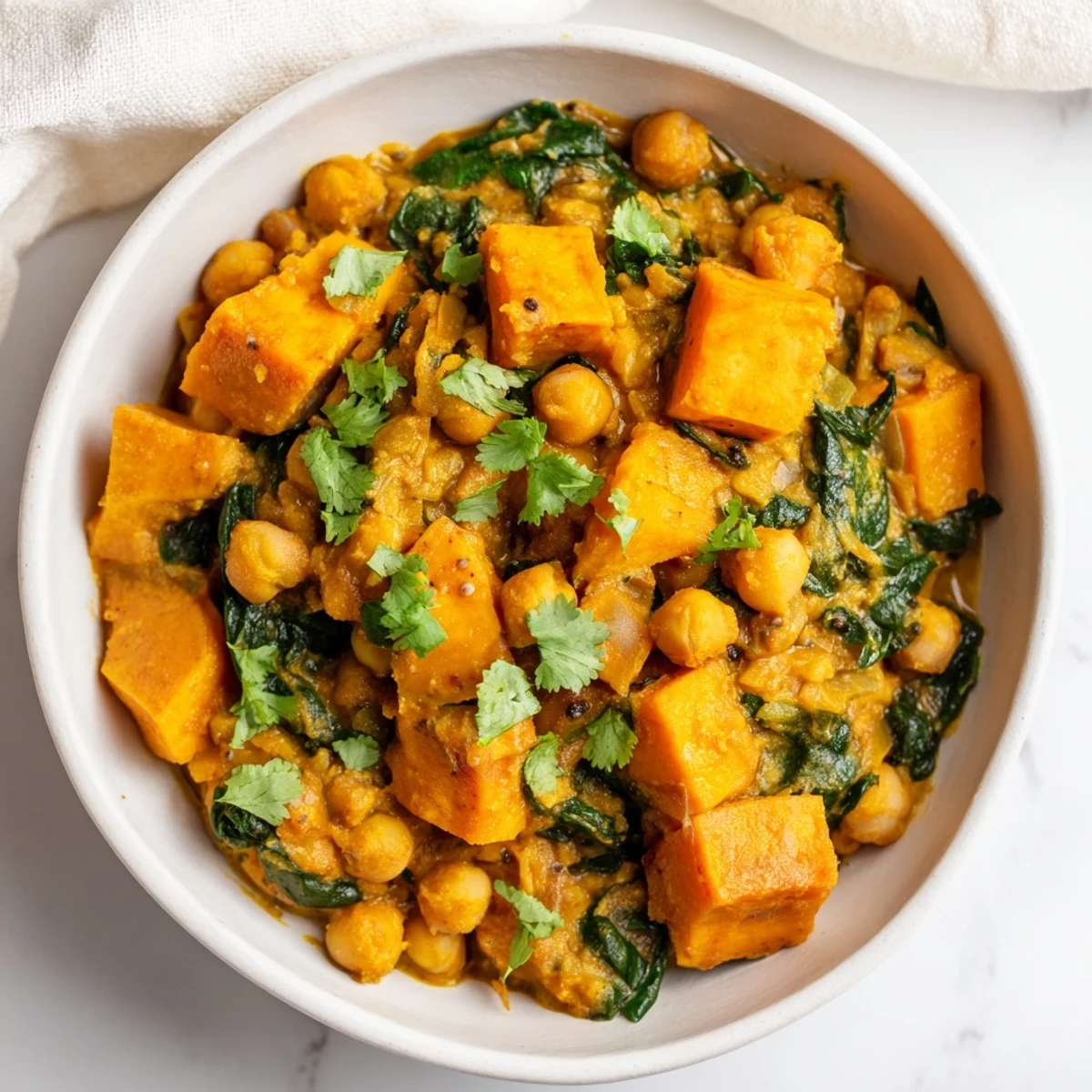
Save This dish brings together tender sweet potatoes, hearty chickpeas, and fresh spinach simmered in a fragrant coconut and tomato blend. Spiced with curry powder, cumin, turmeric, and smoked paprika, it offers both warmth and depth of flavor. Ideal for a quick, comforting meal, it cooks in under an hour and pairs well with rice or quinoa. Optional cayenne adds a touch of heat, while fresh cilantro and lime garnish brighten each bite. A wholesome, plant-based entrée packed with nutrients and satisfying textures.
There's something about the smell of curry powder hitting hot oil that stops me mid-thought every time. The first time I made this sweet potato curry, I was trying to use up what I had on hand—a can of coconut milk, some chickpeas, and a pile of sweet potatoes from the farmers market. What came together was so warm and comforting that it became the dish I reach for when I need to feel grounded, whether I'm cooking for myself or feeding people I care about.
I made this for friends on a rainy Saturday when nobody wanted to go out, and I watched them slow down their forks and really taste it. That's when I knew it wasn't just my comfort food—it was something worth sharing. Now it's the dish people ask me to bring, and I never mind because it always feels like a small gift.
Ingredients
- Sweet potatoes (2 medium, cubed): They break down just enough to thicken the sauce while staying soft and sweet—the backbone of this whole dish.
- Yellow onion (1 medium, chopped): Sauté it long enough and it disappears into the sauce, building a gentle sweetness underneath everything else.
- Garlic (3 cloves, minced) and fresh ginger (1-inch piece, grated): These two together create an aroma that fills your kitchen and makes you feel like you're cooking something special.
- Curry powder (2 tbsp): The heart of this recipe—don't skip the toasting step because it wakes up all the flavors hiding in there.
- Ground cumin (1 tsp), turmeric (1/2 tsp), and smoked paprika (1/2 tsp): Each spice adds its own note, but together they create something warm and layered that tastes both familiar and surprising.
- Cayenne pepper (1/4 tsp, optional): Add this if you want heat, skip it if you prefer pure comfort—both versions are equally valid.
- Coconut milk (1 can, 14 oz): Full-fat or light, both work, but full-fat creates a silkier sauce that coats your tongue in the best way.
- Diced tomatoes (1 can, 14 oz) and vegetable broth (1 cup): They round out the coconut milk with brightness and depth, preventing the curry from feeling heavy.
- Chickpeas (1 can, drained and rinsed): They give you substance and protein without weighing things down—I love finding them in each spoonful.
- Fresh spinach (4 cups, chopped): It wilts into the curry at the last moment, adding color and nutrients without changing the flavor profile.
- Cilantro (fresh, chopped) and lime wedges: These are your finishing touches—the cilantro adds brightness, and squeezing lime over each bowl lets everyone adjust the acidity to their taste.
Instructions
- Heat your oil and build the base:
- Warm coconut or olive oil in a large pot over medium heat, then add your chopped onion. Let it soften for 3 to 4 minutes, stirring occasionally—you want it to turn translucent and sweet, not brown. You'll start to smell how good this is going to be.
- Wake up the aromatics:
- Add minced garlic and grated ginger, stirring for about a minute until the smell is almost overwhelming in the best way. This is the moment where you know something delicious is happening.
- Toast your spices:
- Stir in curry powder, cumin, turmeric, paprika, and cayenne if you're using it. Let them sit in the hot oil for just a minute—you'll hear a subtle crackling and the aroma will deepen. This is crucial; it transforms the spices from flat to alive.
- Add the sweet potatoes:
- Toss your cubed sweet potatoes into the pot and stir until they're coated in all that spiced oil. This coating is going to infuse them with flavor as they cook.
- Pour in the liquid:
- Add the coconut milk, canned tomatoes with their juices, and vegetable broth all at once. Stir well to combine everything, scraping the bottom of the pot to release any browned bits. Bring the whole thing to a boil, then turn the heat down to a simmer.
- Cook the potatoes:
- Cover the pot and let it simmer for 15 to 20 minutes until the sweet potatoes are tender enough to break with a spoon. Taste the sauce—it should taste rich and aromatic by now.
- Finish with chickpeas and spinach:
- Add your drained chickpeas and chopped spinach, stirring until the spinach begins to wilt. Leave the pot uncovered and let everything simmer together for about 5 minutes—the spinach will shrink down and the chickpeas will warm through.
- Season to taste:
- Add salt and freshly ground black pepper, tasting as you go. The curry should taste balanced—warm from the spices but not overwhelming, with a hint of sweetness from the potatoes.
- Serve and garnish:
- Ladle the curry into bowls and top with fresh cilantro and a lime wedge. Let people squeeze the lime in themselves—it makes the dish feel personal and lets everyone adjust the brightness to what they like.
 Save
Save This curry taught me that the simplest ingredients—pantry staples, mostly—can create something that feels luxurious and special. That's become my favorite kind of cooking: throwing together what you have and watching it turn into something worth remembering.
Why This Curry Works Every Time
The magic is in the order of operations and the balance of flavors. Toasting the spices early releases their essential oils, so they taste bright instead of dusty. The coconut milk and tomatoes create a sauce that's neither too thick nor too thin, and the sweet potatoes naturally thicken everything as they break down. By the time you add the chickpeas and spinach, you've built a foundation that's strong enough to support them without tasting crowded.
Stretching This Recipe Further
If you're cooking for more people or want leftovers, this recipe scales beautifully. You can double everything, or add extra vegetables like bell peppers or cauliflower without changing the cooking time much. Some people add cubed tofu in the last 10 minutes of simmering for extra protein, and it absorbs all the flavors perfectly. The curry actually tastes better the next day, so don't hesitate to make it ahead.
Serving Ideas and Perfect Pairings
I've served this curry over basmati rice, with naan for soaking up every drop of sauce, and with quinoa when I wanted something lighter. It pairs beautifully with a simple green salad to cut through the richness, or with sliced cucumber and fresh lime juice on the side. Some people love it with a dollop of coconut yogurt on top, and I've never said no to crusty bread for dipping.
- Basmati rice or naan soaks up the sauce perfectly and makes the meal feel complete.
- A squeeze of fresh lime juice over each bowl brightens everything and lets people customize their own heat level with the cilantro.
- Leftover curry keeps refrigerated for up to 3 days and tastes even better as the flavors meld together overnight.
 Save
Save This curry is the kind of dish that reminds you cooking doesn't have to be complicated to be comforting. Make it, share it, and watch people ask for seconds.
Recipe FAQs
- → Can I adjust the spice level?
-
Yes, cayenne pepper is optional and can be increased for more heat or omitted for a milder flavor.
- → What are good side dishes to serve with this curry?
-
Basmati rice, naan, or quinoa complement the flavors and provide a complete meal.
- → Can I add extra protein to this dish?
-
Adding cubed tofu during the last 10 minutes of simmering will boost protein content.
- → How long can leftovers be stored?
-
Leftovers keep well refrigerated for up to three days in an airtight container.
- → Is this dish gluten-free?
-
Yes, using gluten-free ingredients and checking canned goods makes this naturally gluten-free.