
 Save
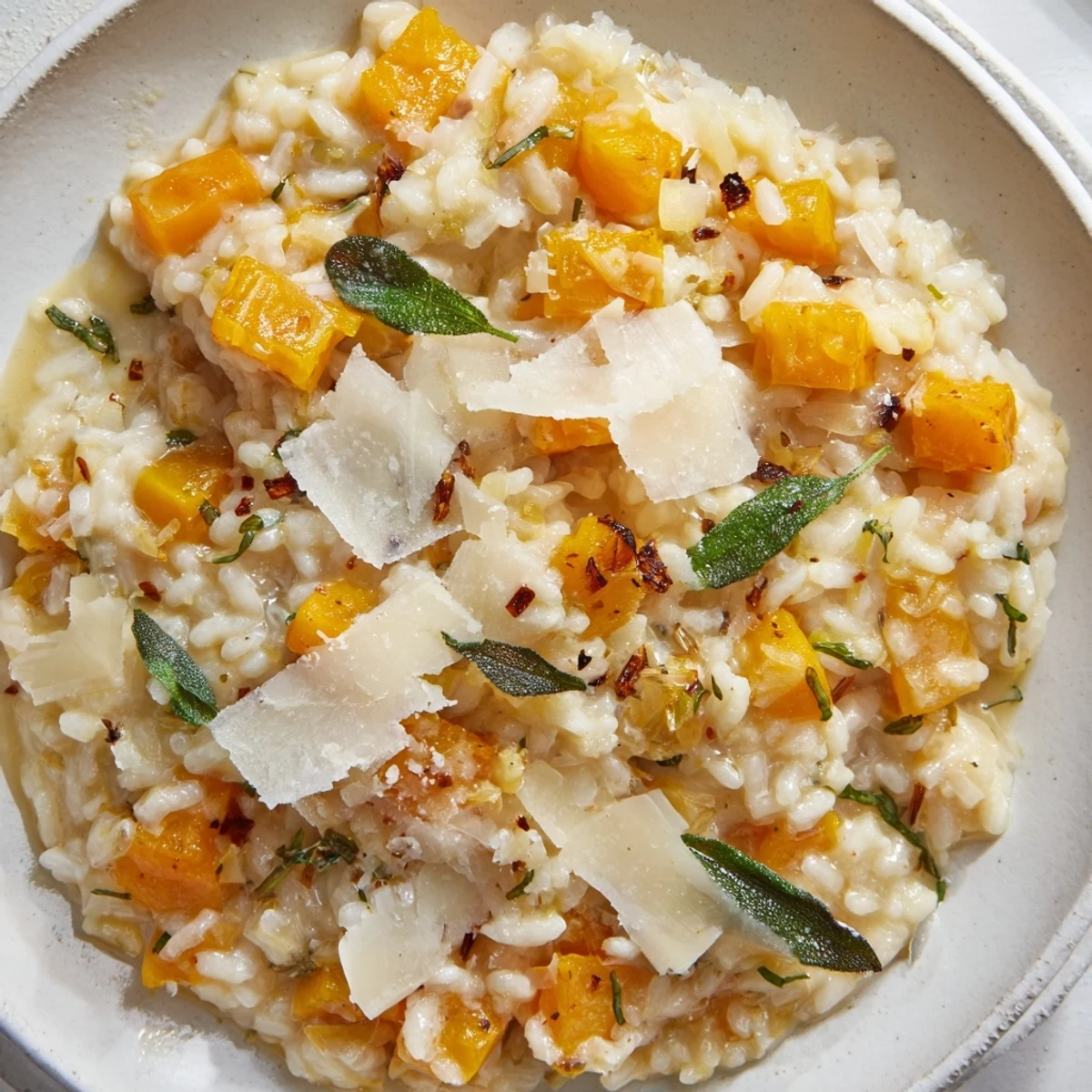
Save This creamy risotto highlights tender winter squash combined with fresh sage and Parmesan cheese for a flavorful dish. It involves sautéing onion, garlic, and sage, then slowly cooking Arborio rice with white wine and warm vegetable broth until creamy and al dente. Butter and Parmesan enrich the texture, with an optional touch of creaminess from heavy cream. Roasting the squash beforehand adds depth. Ideal for a cozy main dish with a balance of savory and aromatic notes.
I was skeptical the first time someone told me risotto could feel lighter with squash folded in. But one November evening, I cubed a butternut squash and started stirring, and the kitchen filled with a sweet, earthy smell that made me forget I was standing over a pot for thirty minutes. The rice turned golden, the sage crisped in butter, and suddenly I understood why people call this dish a hug in a bowl.
I made this for a friend who swore she didnt like risotto because it was too rich. She finished her bowl, then scraped the pot with a spoon while I pretended not to notice. Sometimes a dish changes someones mind not because its fancy, but because it feels right.
Ingredients
- Winter squash: Butternut is my go to because it dices evenly and sweetens as it cooks, but acorn works beautifully if you want a firmer texture.
- Yellow onion: The base of every good risotto, it turns translucent and sweet when you give it those first few minutes in butter.
- Garlic: Just two cloves add a quiet warmth without shouting over the sage.
- Arborio rice: This short grain rice is non negotiable, it releases starch slowly and thats what makes risotto creamy instead of soupy.
- Vegetable broth: Keep it warm on a back burner so the rice doesnt seize up when you add it.
- Dry white wine: A crisp Pinot Grigio or Sauvignon Blanc adds acidity that balances the richness, and it smells incredible as it bubbles down.
- Unsalted butter: I use it in two stages, first to soften the onion and again at the end to make everything glossy.
- Parmesan cheese: Freshly grated melts into the rice and adds a salty, nutty finish that pre grated cheese just cant match.
- Heavy cream: Optional, but those two tablespoons make the texture silkier if youre in the mood for something extra comforting.
- Fresh sage: Chopped fine and cooked early, it perfumes the whole dish with a woodsy, almost peppery aroma.
- Salt and black pepper: Taste as you go, the broth and Parmesan bring salt so add carefully at the end.
Instructions
- Start with the aromatics:
- Melt two tablespoons of butter in a heavy bottomed pot over medium heat, then add the chopped onion and cook until it turns soft and translucent, about three minutes. Toss in the garlic and sage, and stir for one minute until the kitchen smells like someones cooking something worth waiting for.
- Cook the squash:
- Add the diced squash and stir it around until the edges soften and take on a little color, about five minutes. This step gives the squash a head start so it finishes tender at the same time as the rice.
- Toast the rice:
- Pour in the Arborio rice and stir constantly for one to two minutes, coating every grain in butter until the edges turn slightly translucent. This toasting step helps the rice hold its shape and absorb liquid evenly.
- Deglaze with wine:
- Pour in the white wine and stir, scraping up any brown bits from the bottom of the pot, then let it bubble and reduce until most of the liquid has evaporated. The smell alone is worth this step.
- Add broth slowly:
- Ladle in warm vegetable broth one scoop at a time, stirring frequently and waiting until each addition is absorbed before adding the next. This takes eighteen to twenty two minutes, and yes, you have to stand there and stir, but the rhythm becomes meditative.
- Finish with richness:
- Stir in the remaining tablespoon of butter, the grated Parmesan, and the heavy cream if youre using it, then season with salt and pepper. The risotto should look creamy and flow slowly off the spoon, not clump or run.
- Rest and serve:
- Take the pot off the heat, cover it, and let it sit for two minutes so the flavors settle. Serve hot with extra Parmesan shavings and a few fresh sage leaves scattered on top.
 Save
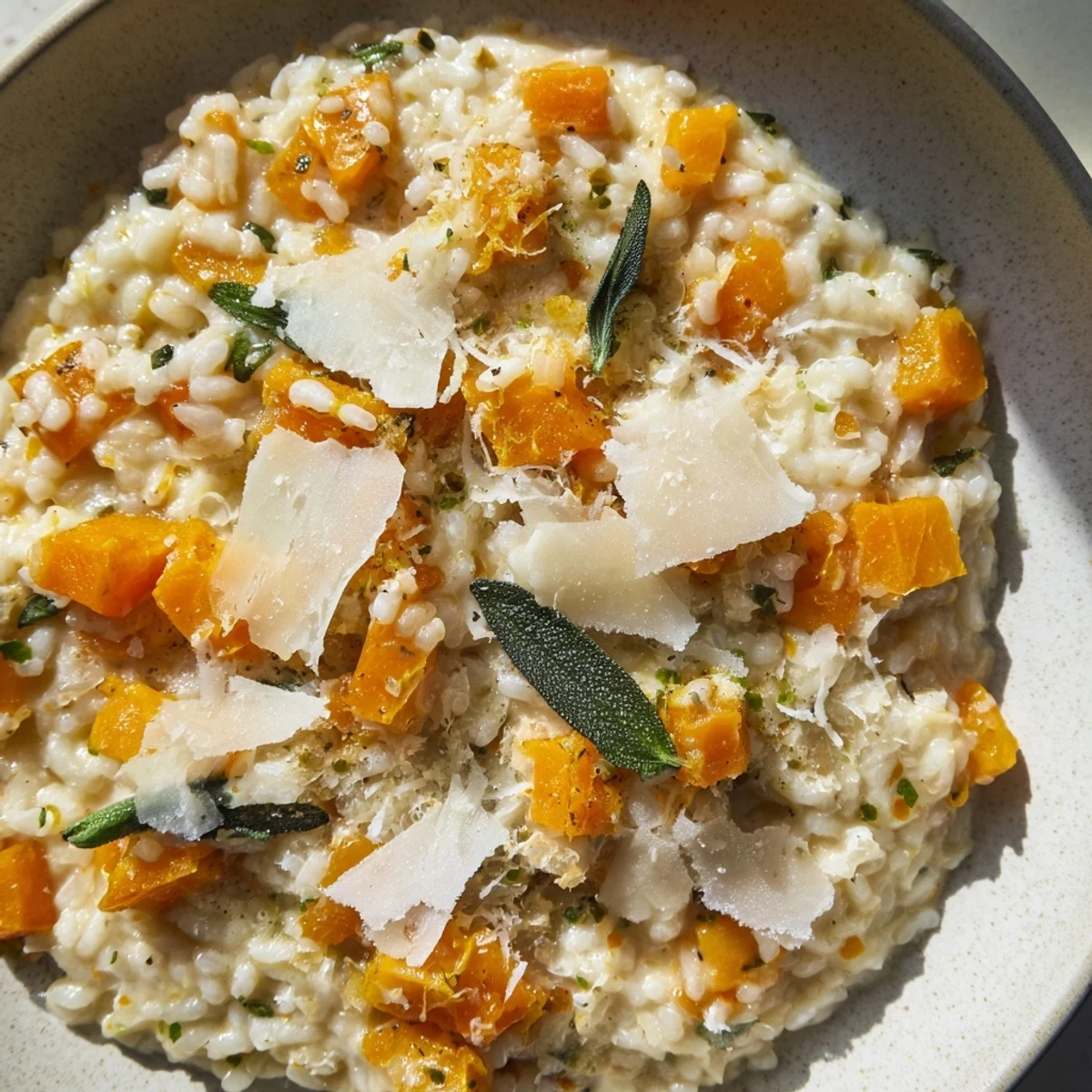
Save One night I made this for a small dinner and plated it in shallow bowls with nothing but a drizzle of olive oil and some shaved Parmesan. We ate in silence for the first few minutes, and then someone said it tasted like sitting by a fireplace. I havent forgotten that.
How to Prep the Squash
Peeling winter squash used to frustrate me until I learned to microwave it for two minutes first, the skin softens just enough to make the peeler glide. Cut it in half, scoop out the seeds, then dice it into half inch cubes so they cook evenly. If you want deeper flavor, toss the cubes with olive oil and roast them at 400 degrees for twenty minutes before stirring them into the risotto.
What to Serve Alongside
This risotto is rich enough to stand alone, but a simple arugula salad with lemon and olive oil cuts through the creaminess perfectly. I also love serving it with roasted Brussels sprouts or a platter of sauteed mushrooms if Im feeding a crowd. A glass of crisp Pinot Grigio or Chardonnay balances the buttery Parmesan and brings out the sweetness in the squash.
Storage and Reheating
Risotto thickens as it cools, so leftovers will look more like a cake than a creamy dish. To reheat, add a splash of warm broth or water to a pan over low heat and stir gently until it loosens up again. You can also press cold risotto into patties, pan fry them in butter, and serve them as crispy risotto cakes for breakfast or lunch.
- Store leftovers in an airtight container in the fridge for up to three days.
- Reheat gently on the stovetop, not in the microwave, to preserve the texture.
- Frozen risotto loses its creaminess, so I only recommend freezing if you plan to turn it into cakes or arancini later.
 Save
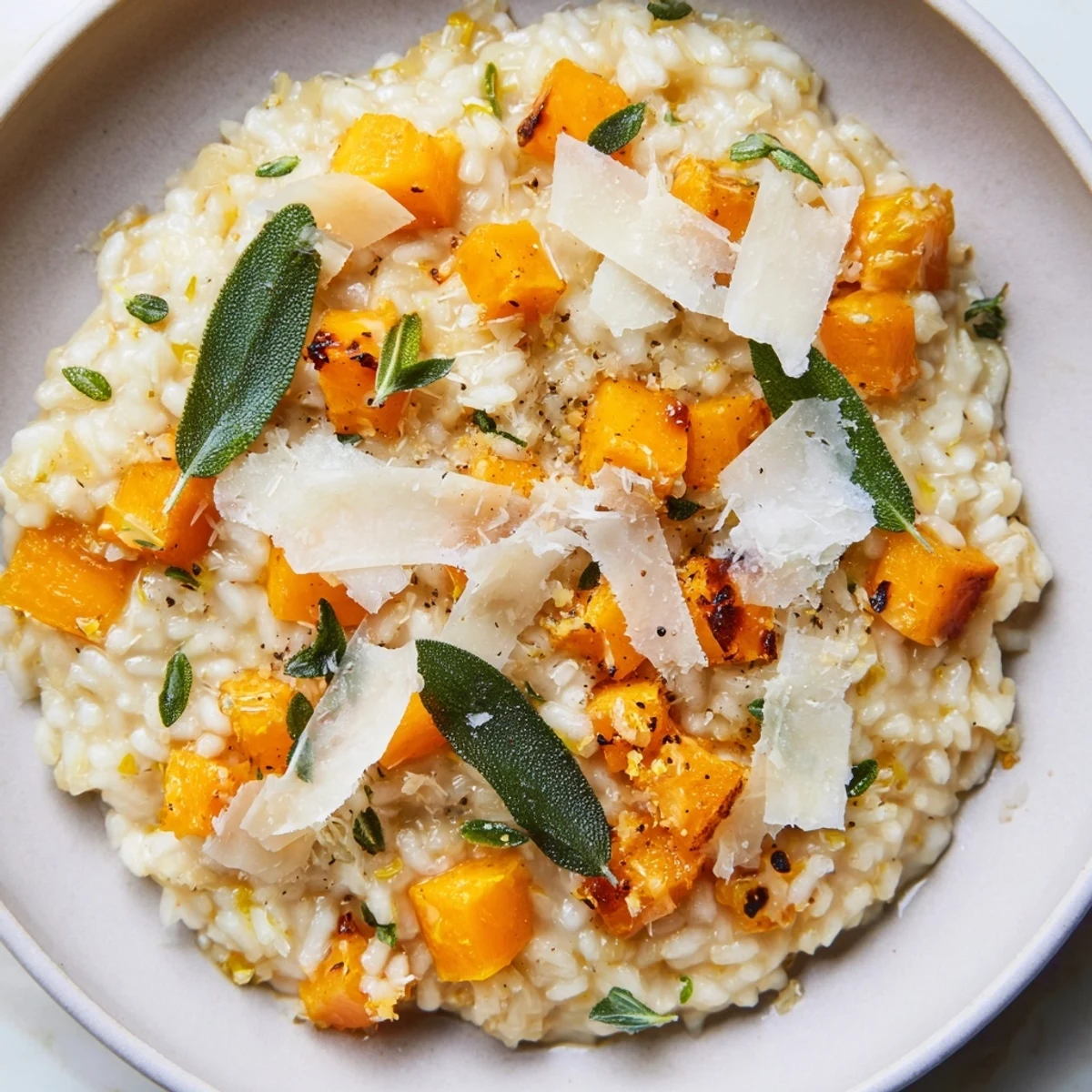
Save This is the kind of dish you make when you want to slow down and pay attention. The stirring becomes a rhythm, the smell fills the house, and by the time you sit down, youve already spent thirty minutes doing something that felt like care.
Recipe FAQs
- → What type of squash works best?
-
Butternut or acorn squash is ideal, but kabocha or delicata can be used as alternatives for varied flavors.
- → Can I use chicken broth instead of vegetable broth?
-
Yes, chicken broth can be substituted for a richer flavor, but it will change the dish’s profile away from vegetarian.
- → How long should the risotto be cooked?
-
Typically, it takes 18-22 minutes of gradual broth addition while stirring until the rice is creamy and al dente.
- → Is it necessary to use white wine?
-
White wine adds acidity and depth, but it can be omitted or replaced with more broth if preferred.
- → How can I make the risotto creamier?
-
Stirring in butter, Parmesan cheese, and optional heavy cream at the end enhances creaminess and richness.