
 Save
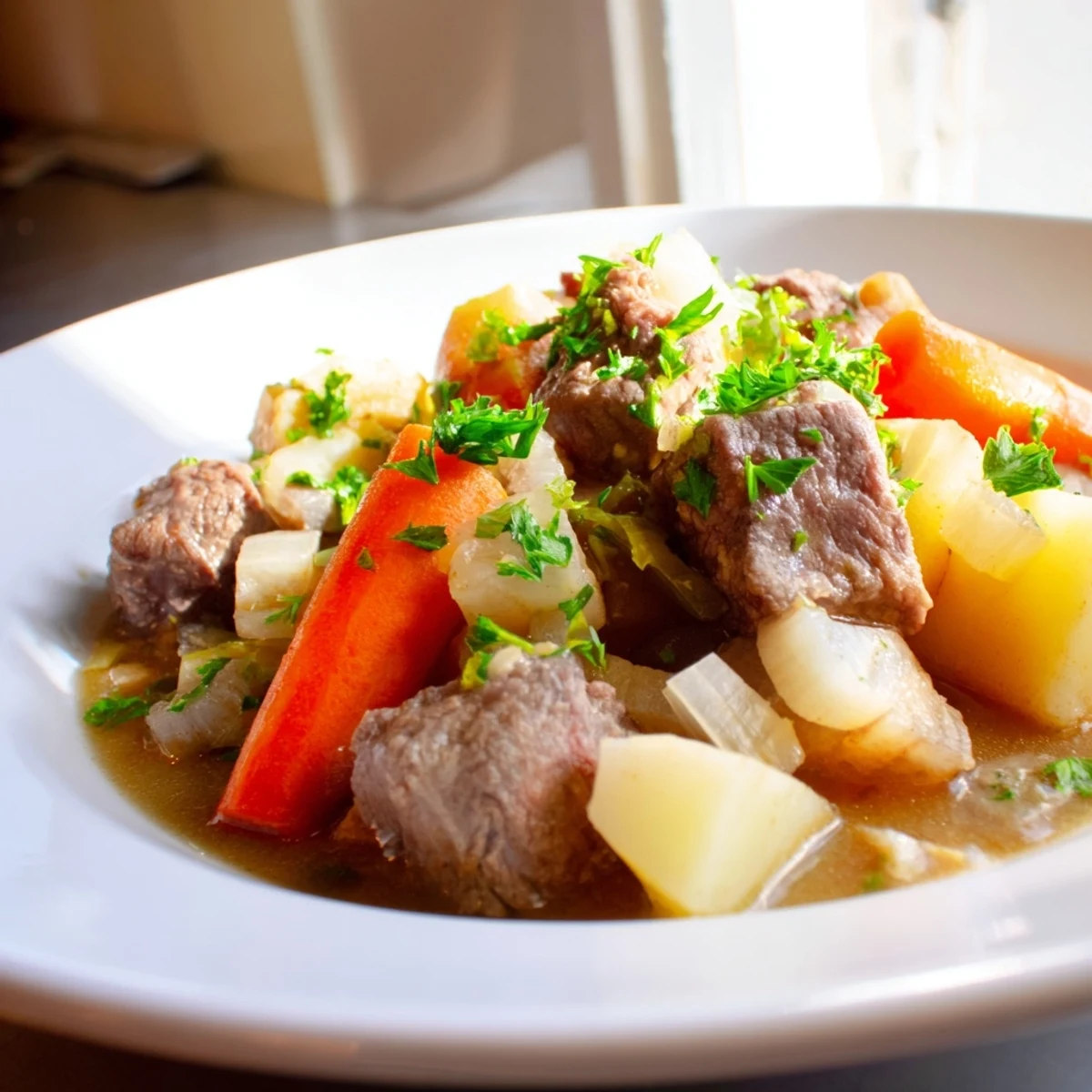
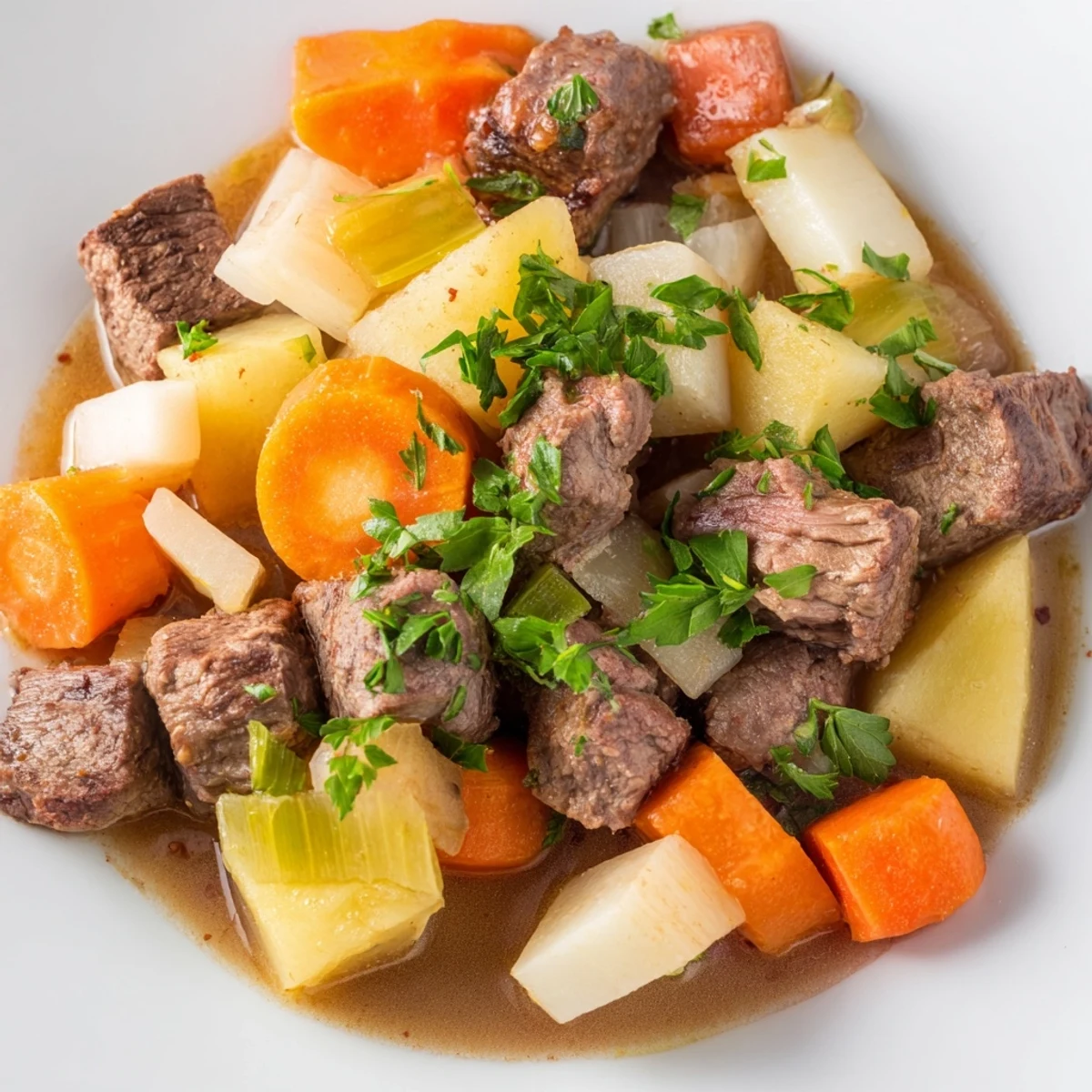
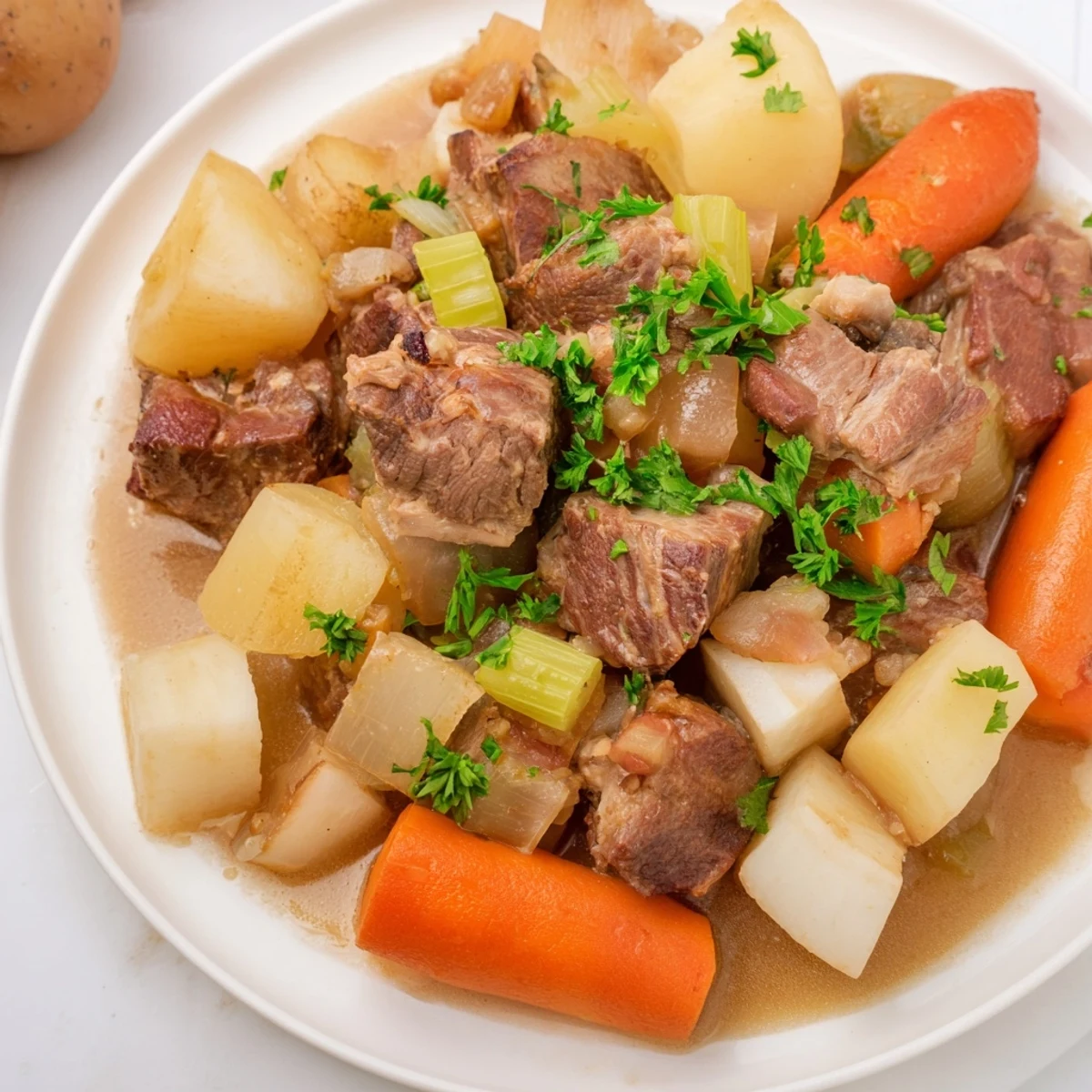
Save This dish features tender cubes of lamb shoulder simmered alongside an assortment of root vegetables such as carrots, parsnips, turnips, and potatoes. Cooked slowly in a flavorful broth seasoned with bay leaves, thyme, and rosemary, it creates a rich and aromatic meal perfect for colder days. Sautéing aromatics like onions, celery, and garlic adds depth, and a touch of tomato paste enriches the base. Finished with fresh parsley for a bright touch, this hearty stew delivers warmth and wholesome ingredients in every spoonful.
The windows had frost on the inside corners that January morning when my neighbor dropped off a shoulder of lamb from his farm. I had never worked with lamb before, but something about the cold air and the gray sky made me want to fill the house with smells that would make the whole day feel warmer.
My sister came over that evening with a loaf of crusty bread she had picked up on her way home from work. We sat at the kitchen table while the stew bubbled away, and she kept asking if it was done yet every fifteen minutes. When I finally served it, she ate two bowls without saying a single word, which is how I knew I had gotten it right.
Ingredients
- 1.2 kg boneless lamb shoulder: Shoulder has the perfect amount of fat for slow cooking and becomes meltingly tender over time
- 3 medium carrots: They add natural sweetness and hold their shape beautifully after hours of simmering
- 2 large parsnips: These bring an earthy, slightly nutty flavor that pairs perfectly with lamb
- 2 medium turnips: Often overlooked but they add wonderful depth and absorb the broth beautifully
- 3 medium potatoes: They help thicken the stew naturally while becoming creamy and comforting
- 2 celery stalks: Essential for that aromatic base that makes everything taste homemade
- 1 large onion: The foundation of flavor, so take your time sautéing it properly
- 3 garlic cloves: Minced fresh because nothing compares to that sharp aromatic punch
- 1.2 liters low-sodium beef or lamb stock: Homemade is best but store-bought works if you adjust salt accordingly
- 2 tbsp tomato paste: Adds depth and a gorgeous rich color to the finished dish
- 2 bay leaves: They release subtle earthy notes that make the stew taste complex and complete
- 1 tsp dried thyme: A classic herb pairing that bridges the lamb and vegetables together
- 1 tsp dried rosemary: Piney and aromatic, it gives the stew that comforting European countryside feel
- Salt and black pepper: Season generously at every stage to build layers of flavor
- 2 tbsp olive oil: Use a neutral oil with a high smoke point for proper searing
- 2 tbsp fresh parsley: Brightens everything up and makes the bowls look inviting
Instructions
- Sear the lamb pieces:
- Heat the olive oil in your Dutch oven over medium-high heat until it shimmers, then season the lamb generously with salt and pepper. Brown the meat in batches without crowding the pot, letting each side develop a deep golden crust that will become the foundation of your stew flavor.
- Build the aromatic base:
- In the same pot, add the onion and celery, cooking for about four minutes until they soften and smell sweet. Toss in the garlic for just one minute until fragrant, then stir in the tomato paste and let it cook briefly until it darkens slightly and smells caramelized.
- Combine everything in the pot:
- Return all the browned lamb along with any accumulated juices back to the pot, then add all the chopped vegetables. Pour in the stock and drop in the bay leaves, thyme, and rosemary, stirring everything together so the flavors can start mingling.
- Let it simmer slowly:
- Bring the pot to a gentle simmer, then reduce the heat to low, cover with a tight lid, and let it cook undisturbed for about two hours. Check occasionally to make sure it is barely bubbling, and stir gently to prevent anything from sticking to the bottom.
- Finish and serve:
- Fish out the bay leaves and taste the broth, adjusting the seasoning with more salt or pepper if needed. Ladle the hot stew into bowls, scatter fresh parsley over the top, and serve immediately while steam is still rising from the surface.
 Save
Save Last winter during a snowstorm, I made a double batch and invited three friends over who were all feeling worn down from the holidays. We sat around the table for hours, breaking bread and dipping it into the broth, and nobody seemed in any hurry to leave.
Getting The Best Results
I have learned that browning the lamb in batches rather than all at once makes a noticeable difference in the final flavor. When the pot is too crowded, the meat releases moisture and steams instead of developing that rich crust that deepens the entire stew.
Serving Suggestions
A loaf of crusty bread is essential for soaking up every last drop of the broth. Sometimes I serve it over mashed potatoes when I want something extra hearty, and my grandmother always insisted a glass of red wine on the side brings everything together.
Make It Your Own
This stew is wonderfully forgiving and welcomes substitutions based on what you have in your kitchen. The core method stays the same even when you switch things around.
- Try adding a cup of red wine with the stock for extra depth and complexity
- Sweet potatoes can replace regular potatoes if you prefer a sweeter note
- A splash of Worcestershire sauce in the broth adds umami richness
 Save
Save There is something deeply satisfying about a stew that fills the whole house with warmth and brings people to the table without any fuss.
Recipe FAQs
- → What cut of lamb works best for this dish?
-
Boneless lamb shoulder is ideal, as it becomes tender and flavorful after slow cooking.
- → Can I use other root vegetables in the stew?
-
Yes, sweet potatoes or rutabagas can be substituted to vary the flavor and texture.
- → How long should the stew be cooked?
-
Simmer on low heat for about 2 hours until the lamb and vegetables become tender.
- → What herbs enhance the flavor of the stew?
-
Bay leaves, dried thyme, and rosemary provide an aromatic and earthy depth.
- → Is it necessary to brown the lamb before simmering?
-
Yes, browning the lamb seals in juices and adds a richer taste to the final dish.